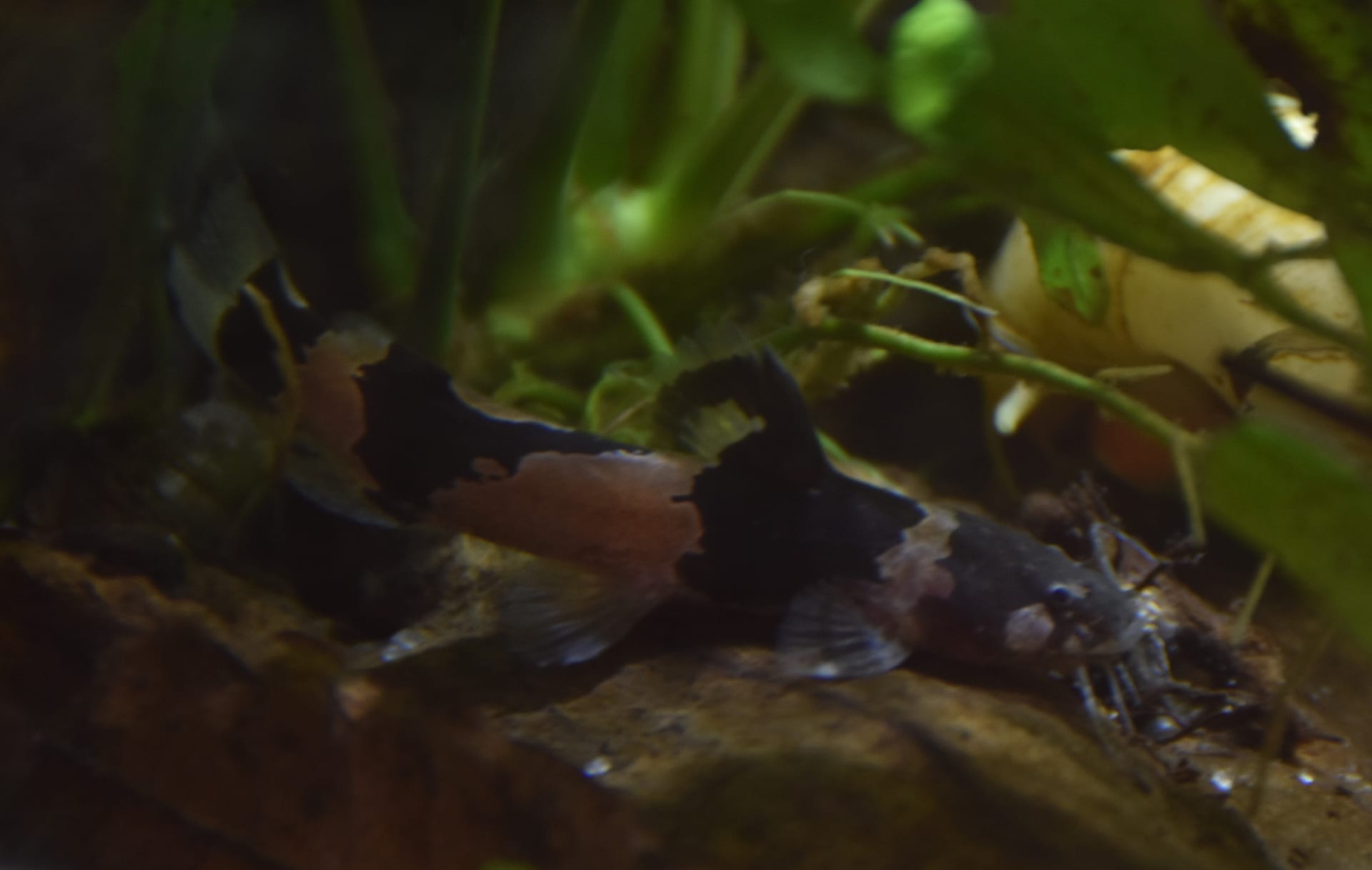
 © Micawberish / CC BY-SA 4.0
South American bumblebee catfish
The dwarf bumblebee catfish (South American bumblebee catfish) is a small catfish whose yellow and dark brown mottled pattern recalls a bumblebee. It grows to about 6 cm in standard length at most and naturally lives in rocky, gravelly streams. Shy by day and more active at night, it is charming to watch as it feels along the bottom with its barbels. It is rated as beginner-friendly, but it may eat fish small enough to fit in its mouth, so choosing tank mates carefully matters. Not to be confused with the bumblebee goby, which is a true goby and an entirely different fish.
View South American bumblebee catfish encyclopedia →Breeder Wanted!
List on BreederDirect and sell directly to customers nationwide!
BreederDirect's 6 Transparency Commitments
All Tropical Fish listings include water quality, temperament, and tank size information from verified Breeder.
- Origin Disclosed
- Real Photos
- Water Quality Disclosed
- Recommended Tank Size
- Temperament Disclosed
- Breed Line Disclosed
Browse all 341 breeds
Water Type
Care Level
No listings match your filters
Adjust your filters, or get notified when new listings arrive.
Getting alerts is free with a member account. When new listings match your saved search, we'll notify you by email and in-app.
Browse other categories
Verified breeders (preview)
Are you raising tropical fish?
Register as a breeder and connect with buyers directly.
Apply as a breederSouth American bumblebee catfish key facts
- Care level
- Beginner-friendly
- Size
- Up to 6 cm SL
- Temperature
- 24〜28℃
- Diet
- Mainly carnivorous (sinking prepared foods, frozen foods)
- Water Temperature & Quality
- 24-28°C, pH 6.0-8.0, 5-12 dH (FishBase). A stream fish, so keep the water clean and well oxygenated.
- Aquarium
- Provide rocks, driftwood and pipes as hiding places, over smooth gravel or sand since it lives on the bottom.
- Tank Mates & Compatibility
- As a bottom-dweller it pairs well with peaceful mid- and upper-water fish. Avoid very small fish or fry that could fit in its mouth.
- Diet & Feeding
- Eats insects in the wild. Give sinking prepared foods and frozen bloodworm, making sure food reaches the bottom before other fish take it.
- Breeding & Egg-laying
- Few reliable reports of breeding in home aquaria.
- Health & Cautions
- The similarly named bumblebee goby is a brackish goby with entirely different needs; confirm the scientific name when buying.
About South American bumblebee catfish
Learn about the dwarf bumblebee catfish, a small yellow-and-brown mottled catfish reaching about 6 cm in standard length. Beginner-friendly care tips on tank mates, hiding spots, feeding and what to check before bringing one home.
7 things to know before welcoming a South American bumblebee catfish
1A Small Catfish, About 6 cm
It stays small, at up to about 6 cm in standard length, and its yellow and dark brown mottling is eye-catching. As a bottom-oriented catfish, what matters most is the lower part of the tank rather than the surface.
2Rests in Hiding by Day
It usually spends the day tucked into rock crevices or under driftwood and tends to become active at night. Providing several dim hiding places, such as stacked stones, pipes or driftwood, helps it settle in. Long stretches out of sight are normal behavior for this fish.
3Eats Fish That Fit Its Mouth
It is strongly carnivorous and may eat fish small enough to fit in its mouth. Avoid tiny fish such as neon tetras, and choose calm tank mates of similar or larger size. Small shrimp can also be at risk.
4Substrate and Layout
In the wild it lives in rocky, gravelly streams with flowing water, so fine sand or smooth-edged gravel with stones and driftwood suits it. Choose a substrate that will not scratch its barbels and belly as it forages along the bottom. Because it comes from flowing rivers, it is also important to keep the water clean and well oxygenated.
5Water Quality and Changes
As a bottom dweller, it is exposed to the leftover food and waste that settle on the substrate. Keep filtration stable and do regular partial water changes to avoid sudden shifts in water quality. When adding new water, keep the difference in temperature and water chemistry small.
6Feeding Tips
Being carnivorous, it does well on foods that reach the bottom, such as frozen bloodworms and other small frozen foods, or sinking prepared foods. Because it tends to be active at night, feeding around lights-out helps it get its share. Acceptance of prepared foods varies from fish to fish.
7Before You Bring One Home
It is safest to have the tank set up, filtration stable and hiding places in place before the fish arrives. After arrival, float the bag to match the temperature and acclimate the fish gradually. Many catfish are said to be sensitive to medications, so read the instructions carefully or consult someone experienced before treating a sick fish.
Frequently asked questions about South American bumblebee catfish
- Q.Can a beginner keep this fish?
- A.The species guide rates it as beginner-friendly. Before bringing one home, though, understand that it is nocturnal, needs hiding places, and may eat fish small enough to fit in its mouth.
- Q.Is it the same as the bumblebee goby?
- A.No, they are different fish. The dwarf bumblebee catfish is a catfish, while the similarly named bumblebee goby belongs to the gobies. When researching or asking questions, it helps to confirm which one is meant.
- Q.How long does it live?
- A.There is little reliable information on its lifespan, so no firm estimate can be given. Plan for a long-term commitment and focus on stable water quality and a comfortable setup.
- Q.Can it live with other fish?
- A.Avoid small fish and shrimp that fit in its mouth, as they may be eaten. It is easier to pair with calm fish of similar size, but members of the same species can sometimes squabble over space, so provide plenty of hiding places.
- Q.Does it hide all day?
- A.It often rests among rocks or under driftwood during the day and tends to be more active at night. Setting up several hiding places and feeding around lights-out makes it easier to watch it move about.
Useful tools for South American bumblebee catfish care
Learn more about South American bumblebee catfish in the encyclopedia
View South American bumblebee catfish encyclopedia entry →
Care difficulty, lifespan, size and diet — all basics covered.
More in this category
Can't find the one you're looking for?
Post your wishes for free and breeders with matching animals will contact you with introductions.