 © Dornenwolf / CC BY 2.0
Umbrella Cichlid
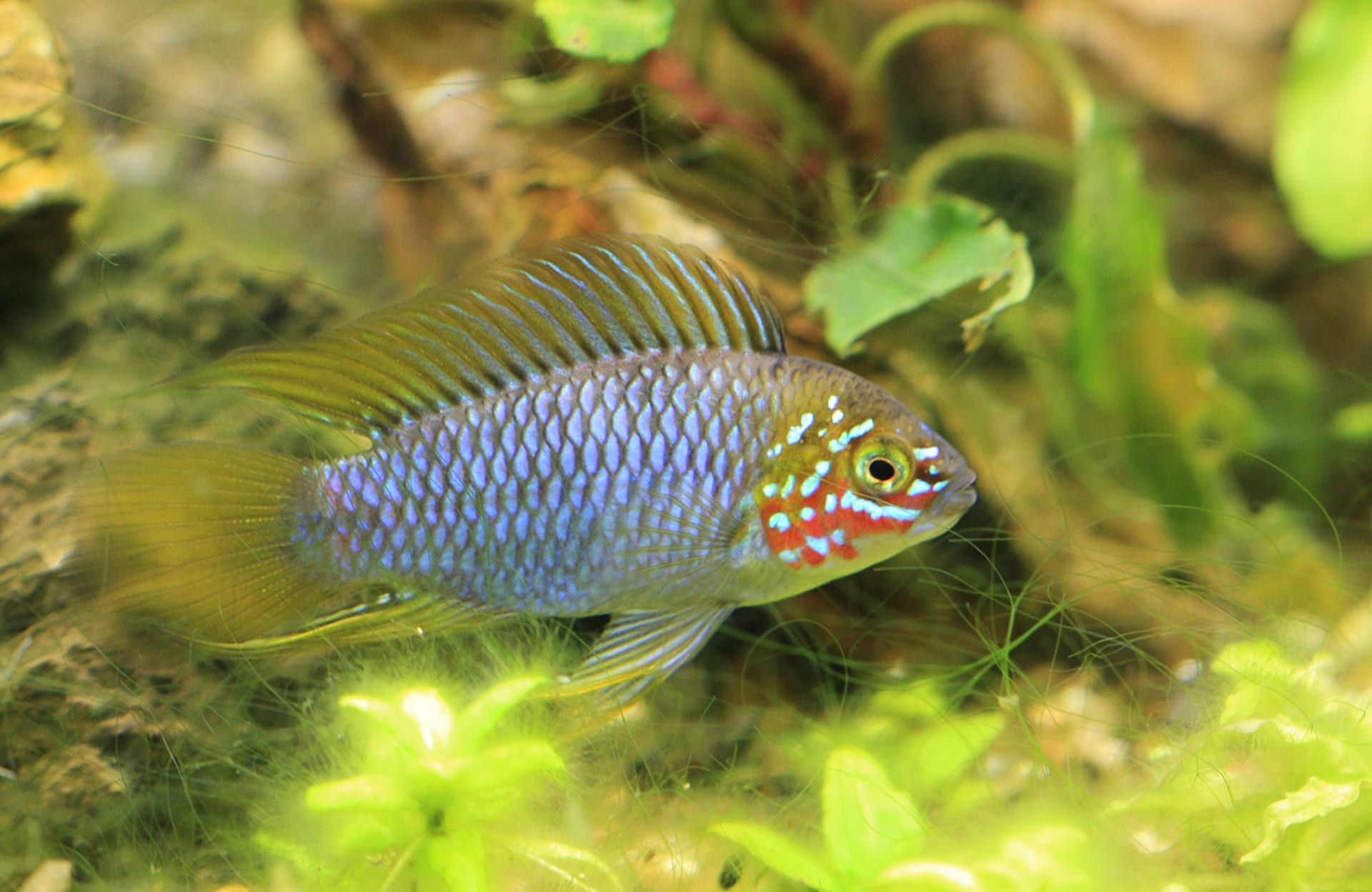
Apistogramma borellii is a small cichlid native to the Paraguay River system and neighboring waters. Its blue-tinged body set against a bright yellow head makes for a striking contrast, and its broad, flowing fins add a graceful touch as it moves through the tank. It shows territorial behavior, and the female guards her eggs and fry and can become aggressive when spawning, but compared with other Apistogramma species it tolerates a wider range of water temperatures and water quality. It is generally considered one of the easiest dwarf cichlids to keep — a great starting point for anyone curious about this diverse group of fish. Adding driftwood or a small clay pot as a hiding spot lets it display its naturally composed, confident behavior.
View Umbrella Cichlid encyclopedia →Breeder Wanted!
List on BreederDirect and sell directly to customers nationwide!
BreederDirect's 6 Transparency Commitments
All Tropical Fish listings include water quality, temperament, and tank size information from verified Breeder.
- Origin Disclosed
- Real Photos
- Water Quality Disclosed
- Recommended Tank Size
- Temperament Disclosed
- Breed Line Disclosed
Browse all 341 breeds
Water Type
Care Level
No listings match your filters
Adjust your filters, or get notified when new listings arrive.
Getting alerts is free with a member account. When new listings match your saved search, we'll notify you by email and in-app.
Browse other categories
Verified breeders (preview)
Are you raising tropical fish?
Register as a breeder and connect with buyers directly.
Apply as a breederUmbrella Cichlid key facts
- Care level
- Beginner-friendly
- Lifespan
- 3-5 years
- Size
- Males about 6.5cm, females about 5cm standard length
- Temperature
- 20〜26℃
- Diet
- Live and frozen Artemia, Daphnia and bloodworm, plus prepared foods
- Tank
- A pair can be kept from 45x30cm, about 41 litres. Use driftwood, leaf litter and pipes to create caves and spawning sites and to break up lines of sight.
- Water Temperature & Quality
- 20-26C, pH 5.0-8.0 and 1-15 dGH. It is unusually adaptable for an Apistogramma and copes with cooler water than most.
- Tank Mates
- Captive-raised fish suit community tanks. Wild specimens are best alone or with small dither fishes, and should not be mixed with other Apistogramma.
- Diet & Feeding
- In nature it feeds on benthic invertebrates. Offer live and frozen Artemia, Daphnia and chironomid larvae regularly, with dried foods alongside.
- Breeding & Spawning
- A substrate spawner laying in crevices or cavities. The female guards eggs and fry and becomes aggressive afterwards, so in smaller tanks the male may need removing.
- Health & Notes
- Ornamental strains such as 'Opal' are traded. Males are larger, more colourful and longer-finned, so the sexes are relatively easy to tell apart.
About Umbrella Cichlid
Apistogramma borellii is a small Paraguayan cichlid known for its blue-and-yellow coloring. Adaptable and easy to keep among Apistogramma species, it's a great choice for beginners.
7 things to know before welcoming a Umbrella Cichlid
1Notably Adaptable
Among Apistogramma species, A. borellii tolerates a wider range of water temperature and quality, making it one of the easier members of the genus to keep. Even so, avoid sudden water changes — always acclimate gradually.
2Provide Plenty of Hiding Spots
Driftwood, small clay pots, and rock formations give the fish places to retreat to and encourage its naturally calm behavior. Because it can be territorial, too few hiding spots may lead to stress between individuals.
3Males and Females Differ in Size
Adult males reach about 6.5 cm (standard length) while females reach about 5 cm, a noticeable size difference. Males also have stronger coloration and longer fins, so telling the sexes apart is relatively easy. A single pair is the basic setup, so plan the number of fish around your tank's dimensions.
4Choose a Calm Substrate
The fish naturally digs while foraging and spawning, so a fine, sand-like substrate suits it well. An overturned clay pot or pipe can double as a spawning site and hiding place.
5Live and Frozen Foods First
This is a carnivorous-leaning fish that feeds on small bottom-dwelling animals in nature. Offer live and frozen foods such as brine shrimp, daphnia, and bloodworms as the staple, and supplement with prepared food. Feeding nutrient-rich food is often said to help bring out richer coloration.
6Prepare the Tank in Advance
Bring the fish into a tank with stable, already-cycled water conditions and temperature. If setting up a new tank, let the filtration cycle establish itself before adding the fish.
7A Great Entry Point into Apistogramma
Among the many Apistogramma species, A. borellii is considered one of the more approachable choices for anyone new to dwarf cichlids. Still, avoid overcrowding and keep filtration adequate.
Frequently asked questions about Umbrella Cichlid
- Q.Is Apistogramma borellii suitable for beginners?
- A.Among Apistogramma species, it tolerates a wider range of water temperature and quality, making it one of the more approachable members of the genus. Even so, acclimate it gradually, since sudden changes in water conditions can still stress it.
- Q.How can I tell males and females apart?
- A.Adult males grow to about 6.5 cm while females reach about 5 cm, so males are noticeably larger. Differences in coloring and fin shape also become more apparent as they mature.
- Q.Can it be kept with other fish?
- A.Captive-bred fish suit community tanks, but because they can be territorial, provide plenty of hiding spots. Wild-caught fish are best kept alone or with small dither fish. Do not mix them with other Apistogramma species.
- Q.What should I feed it?
- A.It is a carnivorous-leaning fish that eats small bottom-dwelling animals, so offer live and frozen foods such as brine shrimp, daphnia, and bloodworms as the staple, supplemented with prepared food. A nutritionally balanced diet helps it maintain healthy coloration.
- Q.What tank size is appropriate?
- A.A single pair can be kept in a tank of 45×30 cm (about 41 L) or larger. Use driftwood, pipes, and similar items to create several hiding and spawning spots and break up sight lines.
Useful tools for Umbrella Cichlid care
Learn more about Umbrella Cichlid in the encyclopedia
View Umbrella Cichlid encyclopedia entry →
Care difficulty, lifespan, size and diet — all basics covered.
More in this category
Can't find the one you're looking for?
Post your wishes for free and breeders with matching animals will contact you with introductions.