 © TimVickers / Public domain
Sambava Tomato Frog
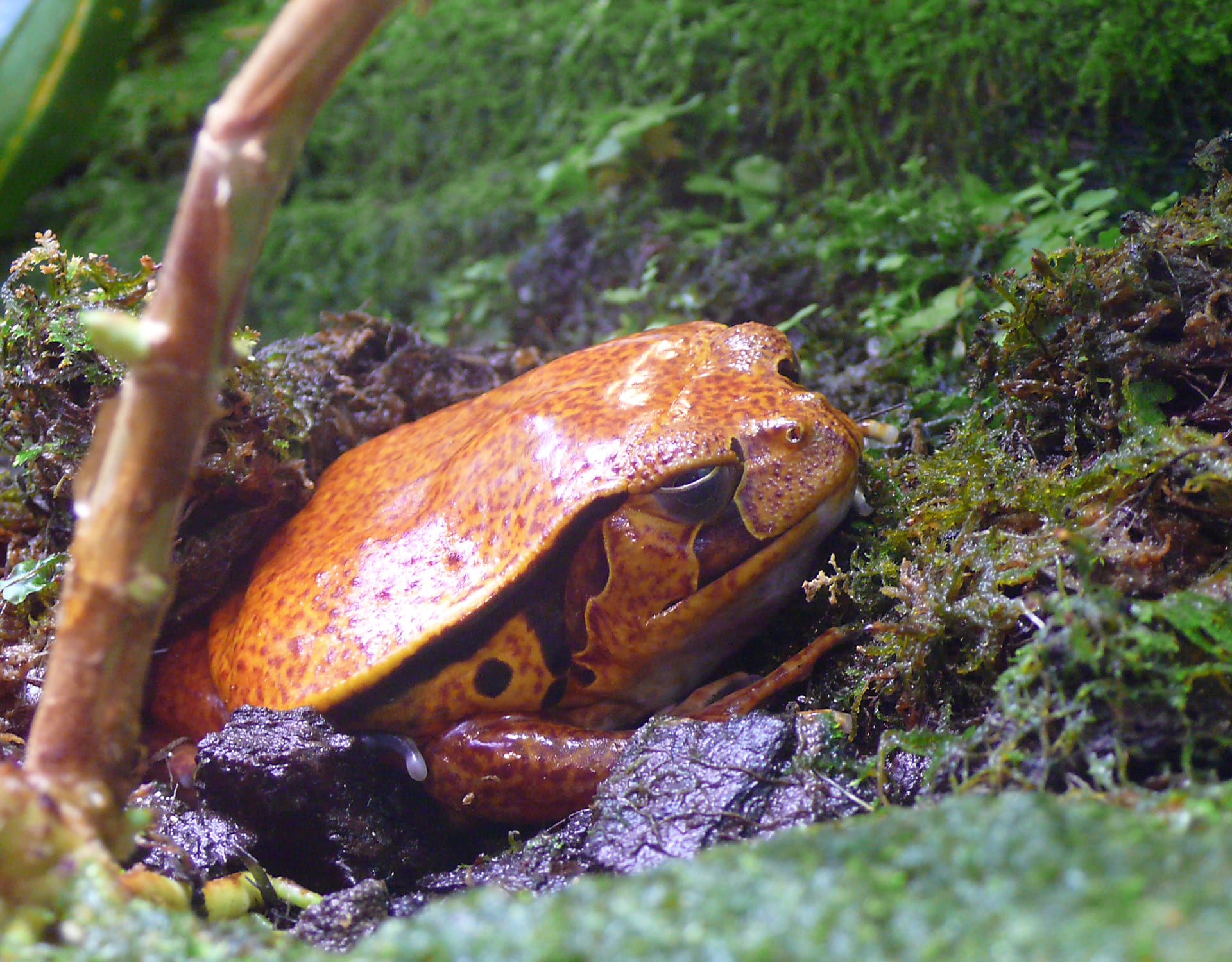
The Sambava Tomato Frog is a ground-dwelling amphibian native to eastern Madagascar, named for its striking orange-red body marked with rust-like blotches and a dark stripe running from behind each eye along its flanks. Among the tomato frogs, it's the most commonly available and one of the easiest to care for, making it a popular choice for anyone new to keeping amphibians. Its calm, unhurried nature means it spends much of its time resting or burrowing into substrate rather than darting around, which makes for relaxed, low-stress observation. Reaching just 6 to 9.5 cm as an adult, it stays compact enough to suit modest enclosures, another reason it works well as a first amphibian.
View Sambava Tomato Frog encyclopedia →0% commission on your first sales!Register by September 30, 2026 and your first 2 sales are commission-free!
Breeder Wanted!
List on BreederDirect and sell directly to customers nationwide!
6 Transparency Promises from Br-Choku
Every Reptiles & Amphibians from verified Breeder breeders includes complete information: morph, genetics, feeding requirements, and temperament details.
- Morph Information
- Actual Photos
- Feeding Information
- Temperament Information
- Genetics Information
- Age (Months)
Browse all 280 breeds
Difficulty Level
Feeding Type
Temperament
No listings match your filters
Adjust your filters, or get notified when new listings arrive.
Getting alerts is free with a member account. When new listings match your saved search, we'll notify you by email and in-app.
Browse other categories
Verified breeders (preview)
Are you raising reptiles & amphibians?
Register as a breeder and connect with buyers directly.
Apply as a breederSambava Tomato Frog key facts
- Care level
- Beginner-friendly
- Lifespan
- About 6 years on average, up to 10 years
- Size
- 6-9.5cm
- Temperature
- 24〜27℃
- Humidity
- 70%
- Diet
- Crickets, earthworms and other insects
- Temperature & Humidity
- Keep 24-27 C by day with a night drop to about 18 C; well above 27 C is dangerous. Hold humidity above 70% by misting every one to three days and keeping the substrate damp.
- Enclosure
- About 61 x 33 x 33 cm (15 gallons) suits two or three adults. Use a deep layer of coco fibre or leaf mould for burrowing, plus hides and a water dish deep enough to sit in. Screen part of the lid to prevent stagnant air.
- Diet & Feeding
- Crickets as the staple, with earthworms, waxworms and other larvae. Keep prey no wider than the distance between the eyes, feed several times a week and dust with a calcium and vitamin supplement.
- Temperament
- Nocturnal and terrestrial, slow-moving and an ambush feeder. Conspecific aggression is low, but a cramped enclosure causes stress and refusal to feed, so err on the larger size.
- Notes
- When provoked it exudes a sticky skin secretion that can cause an allergic reaction in some people, so wash your hands after handling. The species is listed on CITES Appendix II.
About Sambava Tomato Frog
A ground-dwelling frog endemic to eastern Madagascar with a striking orange-red, rust-patterned body. The most common tomato frog species in the trade, easy for beginners, reaching 6-9.5cm with an average 6-year lifespan.
7 things to know before welcoming a Sambava Tomato Frog
1Environment for a Ground-Dweller
As a ground-dwelling species rather than a climber, the Sambava Tomato Frog does better with floor space than height in its enclosure. Use a substrate that holds moisture well and mist regularly to keep humidity from dropping too low.
2A Calm, Unhurried Nature
This frog moves slowly and spends much of its time resting or burrowed into the substrate rather than darting around. It suits keepers who enjoy quiet observation rather than an especially active pet.
3Best Kept Alone
Because size differences between individuals can lead to smaller frogs being eaten, it's best to house one frog per enclosure rather than keeping several together. Separate housing also reduces stress and the risk of accidents.
4An Insect-Based Diet
Its main diet is insects such as crickets, sized appropriately for the frog's mouth. Overfeeding can lead to obesity, so keep an eye on frequency and portion size.
5Watch for Skin Changes
Since amphibians breathe partly through their skin, changes in color, texture, or mucus on the body are a useful indicator of health. If something looks off and persists, it's worth checking with someone knowledgeable sooner rather than later.
6A Long-Term Commitment
With an average lifespan of around 6 years and up to about 10, keeping one means planning for several years of consistent care. Consider in advance whether you can keep up feeding and habitat maintenance over that time.
7Prepare the Habitat First
Set up the substrate, water dish, and hiding spots before bringing your frog home so you're not scrambling on day one. Letting temperature and humidity stabilize beforehand reduces stress on the new arrival.
Frequently asked questions about Sambava Tomato Frog
- Q.Is this frog suitable for beginners?
- A.Yes — the Sambava Tomato Frog is generally considered beginner-friendly and is the most widely available species among tomato frogs. With a basic terrestrial-frog setup in place, it's an approachable choice for a first amphibian.
- Q.How big do they get?
- A.Adults typically reach about 6 to 9.5 cm in length. Plan your enclosure's floor space with this size in mind.
- Q.How long do they live?
- A.On average around 6 years, with some individuals living up to about 10 years. Before bringing one home, it's worth considering whether you can commit to care over that timeframe.
- Q.Can they be housed with other frogs?
- A.Because size differences can lead to one frog preying on a smaller one, it's generally best to keep them one per enclosure. If you want to keep more than one, house them separately.
- Q.Are there any trade restrictions?
- A.Sambava Tomato Frog is listed in CITES Appendix II. International trade requires a permit from the exporting country, but as far as CITES is concerned, no registration is needed to buy or sell individuals already legally in Japan.
Useful tools for Sambava Tomato Frog care
Learn more about Sambava Tomato Frog in the encyclopedia
View Sambava Tomato Frog encyclopedia entry →
Care difficulty, lifespan, size and diet — all basics covered.
More in this category
Can't find the one you're looking for?
Post your wishes for free and breeders with matching animals will contact you with introductions.