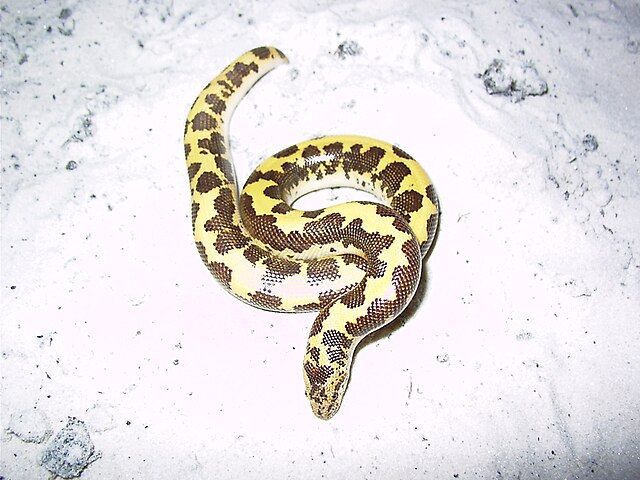
Kenyan Sand Boa
The Kenyan sand boa is a small, burrowing boa native to the arid regions of East Africa. True to its name, it spends much of its time buried in sand with just its eyes peeking out, a habit that gives it a distinctive, endearing charm. Calm in temperament and slow-moving, it is often considered one of the more approachable snakes for first-time keepers. Adults typically reach just 40 to 70 cm, so they do not require a large enclosure, making them a practical choice for keepers with limited space. With a lifespan of 15 to 20 years, a Kenyan sand boa can become a long-term companion for those ready to commit.
View Kenyan Sand Boa encyclopedia →0% commission on your first sales!Register by September 30, 2026 and your first 2 sales are commission-free!
Breeder Wanted!
List on BreederDirect and sell directly to customers nationwide!
6 Transparency Promises from Br-Choku
Every Reptiles & Amphibians from verified Breeder breeders includes complete information: morph, genetics, feeding requirements, and temperament details.
- Morph Information
- Actual Photos
- Feeding Information
- Temperament Information
- Genetics Information
- Age (Months)
Browse all 280 breeds
Difficulty Level
Feeding Type
Temperament
No listings match your filters
Adjust your filters, or get notified when new listings arrive.
Getting alerts is free with a member account. When new listings match your saved search, we'll notify you by email and in-app.
Browse other categories
Verified breeders (preview)
Are you raising reptiles & amphibians?
Register as a breeder and connect with buyers directly.
Apply as a breederAbout Kenyan Sand Boa
The Kenyan sand boa is a small, burrowing boa known for its calm temperament and compact 40-70 cm adult size, making it a popular choice for first-time snake keepers. Lifespan is 15 to 20 years.
7 things to know before welcoming a Kenyan Sand Boa
1Provide burrowing substrate
Use a deep layer of sand or a burrowing-friendly substrate. Kenyan sand boas spend much of their time buried, so make sure the depth is enough for them to disappear completely.
2Create a temperature gradient
A temperature gradient with a warm hot spot and a cooler area is essential. Use an under-tank heater to create a warm zone while letting the snake regulate its own body temperature.
3Docile but easily startled
Kenyan sand boas are gentle and rarely bite, but sudden handling can startle them into curling up or releasing musk. Introduce handling gradually and always move calmly.
4Mostly hidden during the day
Because they burrow, Kenyan sand boas are often out of sight during daylight hours. If you want to observe them, evenings and nighttime are when they tend to become more active.
5Diet centers on mice
Kenyan sand boas are fed mice, with size and frequency adjusted to their growth stage. Overfeeding can lead to obesity, so monitor body condition and space out feedings accordingly.
6Secure the enclosure firmly
Snakes can escape through small gaps, so a secure, gap-free enclosure lid is essential. Kenyan sand boas are surprisingly strong for their size, so a locking lid is worth the investment.
7Plan for a long-term commitment
With a lifespan of 15 to 20 years, a Kenyan sand boa is a long-term commitment. Before bringing one home, consider whether your living situation can support consistent care for many years.
Frequently asked questions about Kenyan Sand Boa
- Q.Can beginners keep a Kenyan sand boa?
- A.Yes, its calm temperament and manageable size make it a popular choice for first-time snake keepers. That said, you still need to set up proper temperature control and burrowing substrate.
- Q.How big do they get?
- A.Adults typically grow to about 40-70 cm in length, making them one of the more compact boa species.
- Q.What do they eat?
- A.Kenyan sand boas are primarily fed mice, with the size and frequency adjusted according to their growth stage and body condition.
- Q.How long do they live?
- A.Their lifespan is around 15 to 20 years, so bringing one home means committing to long-term care.
- Q.Are there any legal restrictions?
- A.The Kenyan sand boa is not listed under CITES.
Useful tools for Kenyan Sand Boa care
Learn more about Kenyan Sand Boa in the encyclopedia
View Kenyan Sand Boa encyclopedia entry →
Care difficulty, lifespan, size and diet — all basics covered.
More in this category
Can't find the one you're looking for?
Post your wishes for free and breeders with matching animals will contact you with introductions.