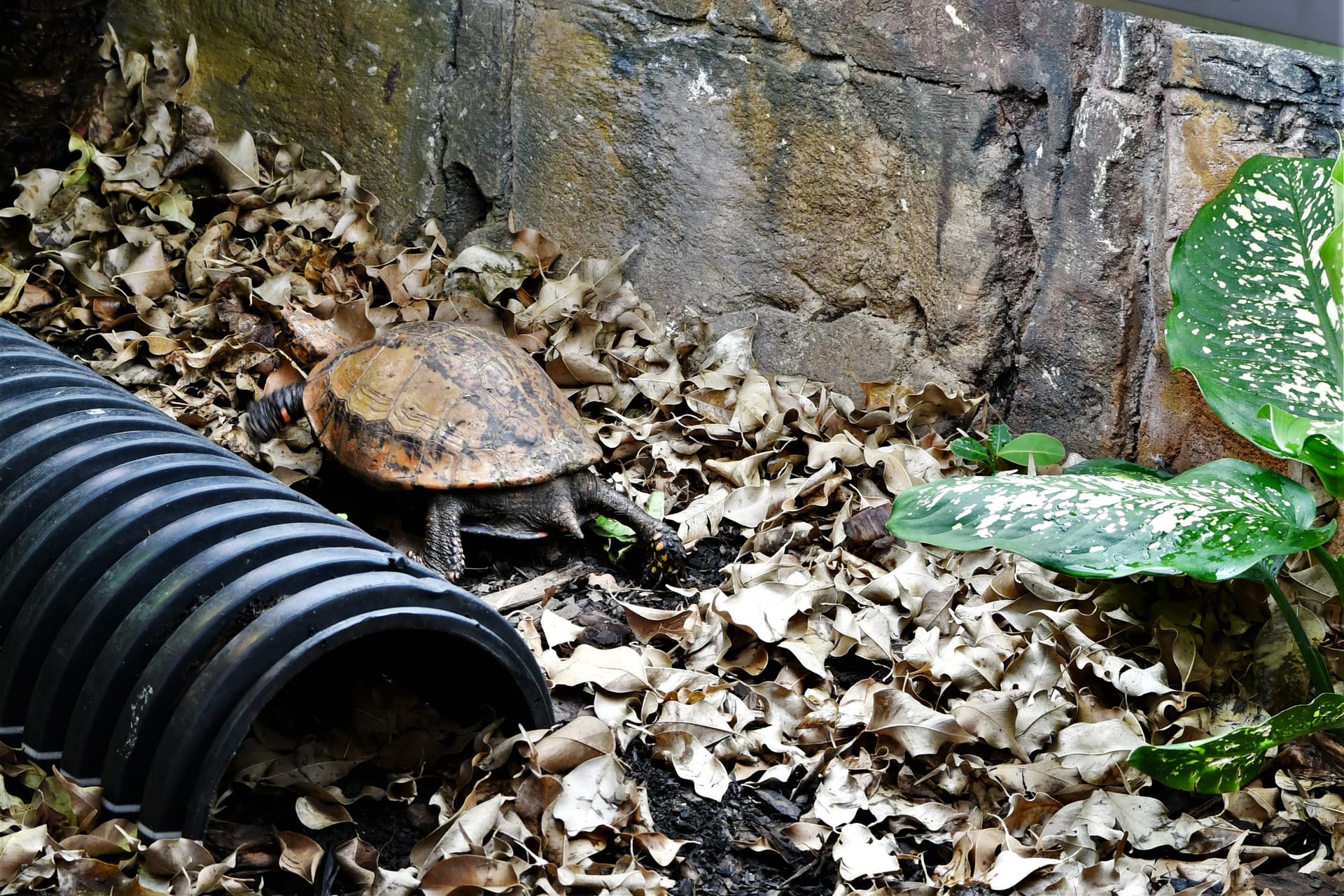
 © Michael Garlick / CC BY-SA 2.0
Indochinese Box Turtle
The Indochinese box turtle is a mountain-dwelling box turtle whose Japanese name comes from the yellow-to-yellow-green tint of its head. Its most distinctive features are a domed carapace and a plastron with a hinge that closes completely, letting it seal itself inside its shell when startled. It tends to be a quiet, reserved animal that spends much of its time tucked away in cover. Adults reach a maximum carapace length of about 19.8 cm, with little difference in size between males and females. Because it needs the specific humidity and temperature management typical of montane species, it's considered a turtle best suited to experienced keepers.
View Indochinese Box Turtle encyclopedia →0% commission on your first sales!Register by September 30, 2026 and your first 2 sales are commission-free!
Breeder Wanted!
List on BreederDirect and sell directly to customers nationwide!
6 Transparency Promises from Br-Choku
Every Reptiles & Amphibians from verified Breeder breeders includes complete information: morph, genetics, feeding requirements, and temperament details.
- Morph Information
- Actual Photos
- Feeding Information
- Temperament Information
- Genetics Information
- Age (Months)
Browse all 280 breeds
Difficulty Level
Feeding Type
Temperament
No listings match your filters
Adjust your filters, or get notified when new listings arrive.
Getting alerts is free with a member account. When new listings match your saved search, we'll notify you by email and in-app.
Browse other categories
Verified breeders (preview)
Are you raising reptiles & amphibians?
Register as a breeder and connect with buyers directly.
Apply as a breederIndochinese Box Turtle key facts
- Care level
- Advanced
- Lifespan
- 20+ years
- Size
- Carapace up to 19.8cm, with little difference between the sexes
- Diet
- Insects, land snails, earthworms, fruit, vegetables and prepared pellets
- Temperature & Humidity
- It lives in montane and hill forest, so avoid high temperatures and keep moisture in the substrate. Captive clutches have hatched in 65-72 days at 28-29 C.
- Enclosure
- Terrestrial, so keep it in a terrarium. Use a substrate that holds moisture and provide hides. It is a nervous species, so place the enclosure somewhere quiet with little foot traffic.
- Diet & Feeding
- Omnivorous, eating insects, land snails, earthworms and fruit. Combine plant food with animal food so that the diet does not become one-sided.
- Temperament
- Very nervous, it easily goes off food when the environment changes or it is stressed. Like other box turtles it gets on poorly with cage mates, so house it singly.
- Notes
- The species was moved to CITES Appendix I with effect from 23 February 2023, having been on Appendix II since the genus listing of 2000. In Japan it is therefore an internationally endangered species and every transfer requires an individual registration certificate. It is neither a designated dangerous animal nor an invasive alien species. Habitat loss and collection for food, medicine and the pet trade have caused a steep decline.
About Indochinese Box Turtle
A mountain box turtle known for its yellow-green head and fully closing shell. Max carapace length 19.8cm; best suited to experienced keepers. Traits, care tips, and FAQs inside.
7 things to know before welcoming a Indochinese Box Turtle
1Montane habitat needs
Because this species naturally lives in cool, humid mountain habitats, keepers need to manage temperature and humidity carefully rather than defaulting to warm, tropical setups. Accounting for seasonal and daily temperature swings is part of proper husbandry.
2A fully closing shell
The domed carapace pairs with a hinged plastron, allowing the turtle to withdraw completely and seal itself inside when startled. In the wild, this structure serves as protection from predators.
3Shy, reclusive temperament
This turtle is quiet and reclusive, spending much of its time hidden under leaf litter or cover. Providing shelters and a substrate layout with plenty of hiding spots is an important part of its setup.
4Why it's for experienced keepers
Recreating the temperature and humidity conditions this montane species needs is challenging, which is why it's rated for experienced keepers. It suits someone who already has box turtle care experience.
5Adult size around 19.8cm
Adults reach a maximum carapace length of about 19.8 cm, with little difference between males and females. Plan enclosure space with this eventual adult size in mind from the start.
6Set up the enclosure first
Before bringing one home, set up an enclosure with temperature and humidity control, hiding spots, and appropriate substrate. Having a calm, ready environment in place first helps the turtle settle in.
7CITES Appendix I: check the registration certificate
Indochinese Box Turtle is listed in CITES Appendix I. In Japan it is an "internationally endangered species" under the Act on Conservation of Endangered Species of Wild Fauna and Flora, so only registered individuals may be sold or transferred, and the registration certificate goes with the animal. Always check that the certificate is provided.
Frequently asked questions about Indochinese Box Turtle
- Q.Can beginners keep an Indochinese box turtle?
- A.This species is rated for experienced keepers. Its montane origin means it requires careful temperature and humidity management, making it better suited to those with prior reptile-keeping experience.
- Q.Where does the name come from?
- A.The Japanese name comes from the yellow-to-yellow-green coloring on the turtle's head. The species name likewise refers to a "yellow-green forehead."
- Q.Why can its shell close completely?
- A.Thanks to its domed carapace and hinged plastron, this turtle can withdraw and seal itself inside its shell when startled. It's a physical adaptation for defense against predators.
- Q.How large does it grow as an adult?
- A.Adults reach a maximum carapace length of about 19.8 cm, with little difference between males and females. Choose an enclosure with this eventual size in mind.
- Q.Is it subject to any wildlife trade regulations?
- A.Indochinese Box Turtle is listed in CITES Appendix I. In Japan it is an "internationally endangered species" under the Act on Conservation of Endangered Species of Wild Fauna and Flora, so only registered individuals may be sold or transferred, and the registration certificate goes with the animal. Always check that the certificate is provided.
Useful tools for Indochinese Box Turtle care
Learn more about Indochinese Box Turtle in the encyclopedia
View Indochinese Box Turtle encyclopedia entry →
Care difficulty, lifespan, size and diet — all basics covered.
More in this category
Can't find the one you're looking for?
Post your wishes for free and breeders with matching animals will contact you with introductions.