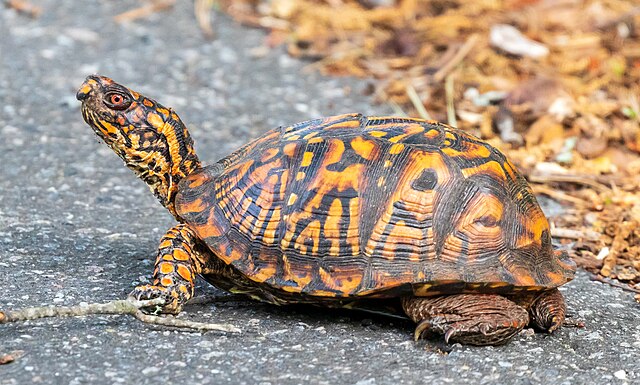
 © Hexasoft / CC BY-SA 3.0
Eastern Box Turtle
The Eastern Box Turtle is native to the forests of eastern North America and is best known for its hinged shell, which it can close completely to tuck away its head and legs. Hardy and well-suited to temperate climates, it tends to retreat into its shell when startled but often settles into a calm, steady presence once acclimated to its enclosure. As an omnivore, it eats insects, fruit, and mushrooms, and individuals often show distinct food preferences and personalities. With a lifespan of 30 to 50 years and an adult size of just 12 to 18 cm, this turtle stays compact while asking for a long-term commitment from anyone considering one.
View Eastern Box Turtle encyclopedia →0% commission on your first sales!Register by September 30, 2026 and your first 2 sales are commission-free!
Breeder Wanted!
List on BreederDirect and sell directly to customers nationwide!
6 Transparency Promises from Br-Choku
Every Reptiles & Amphibians from verified Breeder breeders includes complete information: morph, genetics, feeding requirements, and temperament details.
- Morph Information
- Actual Photos
- Feeding Information
- Temperament Information
- Genetics Information
- Age (Months)
Browse all 280 breeds
Difficulty Level
Feeding Type
Temperament
No listings match your filters
Adjust your filters, or get notified when new listings arrive.
Getting alerts is free with a member account. When new listings match your saved search, we'll notify you by email and in-app.
Browse other categories
Verified breeders (preview)
Are you raising reptiles & amphibians?
Register as a breeder and connect with buyers directly.
Apply as a breederAbout Eastern Box Turtle
A North American box turtle known for its fully closing hinged shell. Hardy in temperate climates, it lives 30-50 years and reaches 12-18 cm as an adult — a species best suited to keepers with some reptile experience.
7 things to know before welcoming a Eastern Box Turtle
1Enclosure Space
Eastern Box Turtles are largely terrestrial and don't do well in cramped, permanent tank setups. An outdoor enclosure is ideal where climate allows, and indoor keepers should provide deep, diggable substrate plus enough floor space to roam.
2UVB Lighting Is Essential
Proper UVB exposure is critical for healthy shell and bone development. Turtles kept outdoors get this from natural sunlight, while indoor setups need a dedicated UVB bulb that's replaced on a regular schedule.
3An Omnivorous Diet
These turtles eat a wide variety of foods, including insects, earthworms, fruit, and mushrooms. Rotating between different food types helps keep their diet nutritionally balanced.
4A Shy, Cautious Nature
Eastern Box Turtles are naturally wary and will fully close their shell when startled. Providing hiding spots, like leaf litter or low cover, helps them feel secure enough to settle in and relax.
5A 30-50 Year Lifespan
With a lifespan of 30 to 50 years, this turtle may well outlive its original owner. It's worth thinking carefully about long-term care arrangements before bringing one home.
6Humidity and Temperature
Although hardy and well-adapted to temperate climates, this species doesn't tolerate overly dry conditions or sudden temperature swings. Substrate that holds some moisture and seasonal temperature adjustments help keep them comfortable.
7Prep Before Bringing One Home
Even as an adult measuring just 12 to 18 cm, this turtle needs room to dig, hide, and explore. Before bringing one home, have the enclosure, substrate, and a reliable food source ready to go.
Frequently asked questions about Eastern Box Turtle
- Q.Is this turtle suitable for beginners?
- A.The Eastern Box Turtle is generally considered a species for keepers with some reptile experience. It calls for basic know-how in UVB lighting and temperature/humidity management, though newcomers willing to study up in advance can take it on.
- Q.Why can it close its shell completely?
- A.This is a defining trait of box turtles: a hinge on the underside of the shell (plastron) lets them fold it shut like a lid over their head and legs. It's a defensive response used to guard against predators.
- Q.What should I feed it?
- A.It's an omnivore that eats a wide range of foods, including insects, earthworms, fruit, and mushrooms. Rotating between different foods rather than relying on just one is the best approach.
- Q.How long will I need to care for it?
- A.With a lifespan of 30 to 50 years, this is a turtle you may care for over several decades. It's worth thinking through your long-term care plans before bringing one home.
- Q.Are there any legal restrictions to know about?
- A.The Eastern Box Turtle is not subject to CITES.
Useful tools for Eastern Box Turtle care
Learn more about Eastern Box Turtle in the encyclopedia
View Eastern Box Turtle encyclopedia entry →
Care difficulty, lifespan, size and diet — all basics covered.
More in this category
Can't find the one you're looking for?
Post your wishes for free and breeders with matching animals will contact you with introductions.