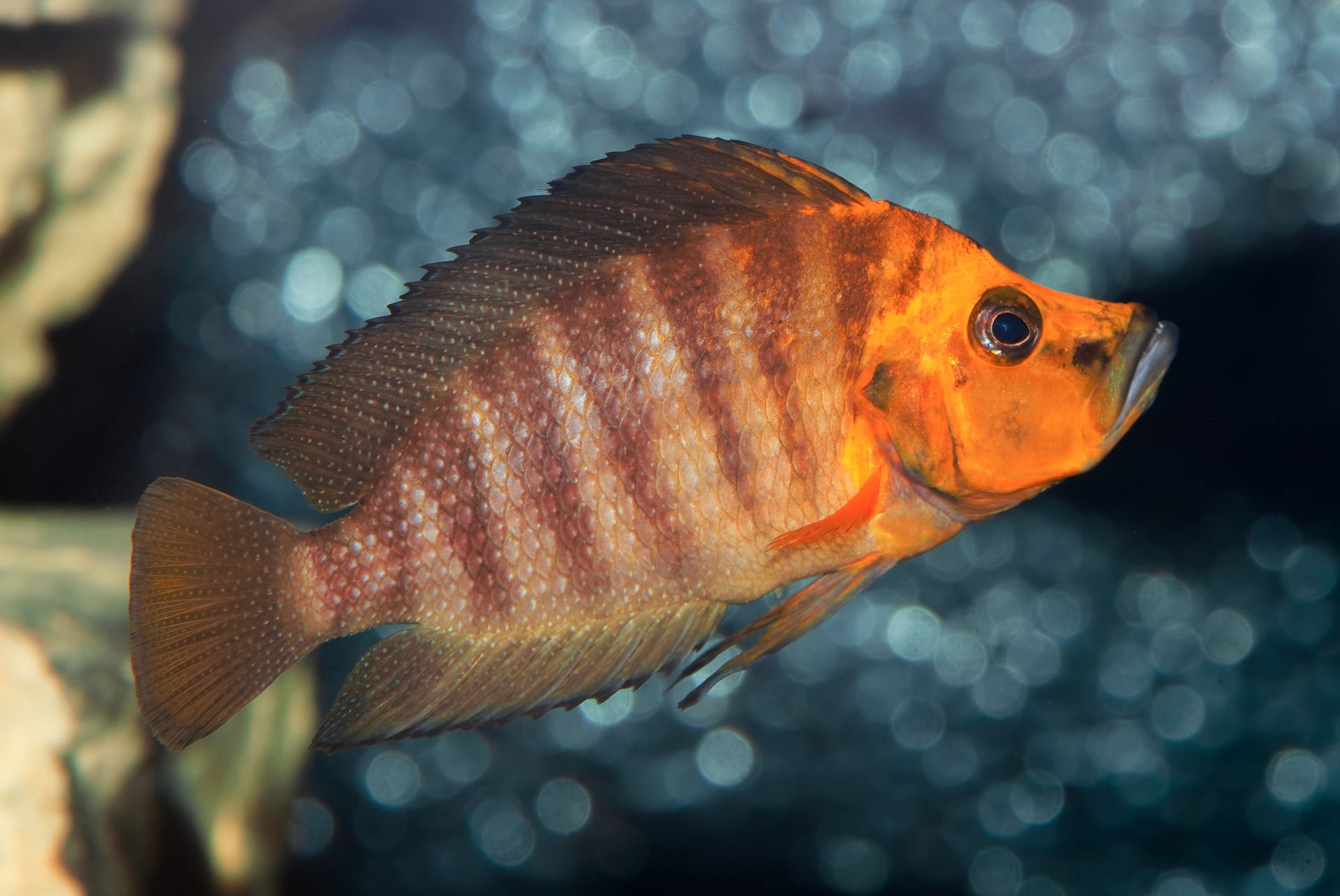
 © H. Zell / CC BY-SA 3.0
Compressiceps
Altolamprologus compressiceps is a cichlid widely distributed throughout Lake Tanganyika, closely related to Altolamprologus calvus. Its most striking feature is a strongly laterally compressed body, ideally shaped for slipping into narrow rock crevices while hunting. In the wild its diet centers on crustaceans, with shrimp making up the bulk of stomach contents. Rather than a fast, restless swimmer, it tends to stay calm and still among the rocks, making it a natural fit for a rockwork-heavy aquarium. Considered an intermediate-level fish to keep, it rewards aquarists who get the water conditions and hiding places right.
View Compressiceps encyclopedia →Breeder Wanted!
List on BreederDirect and sell directly to customers nationwide!
BreederDirect's 6 Transparency Commitments
All Tropical Fish listings include water quality, temperament, and tank size information from verified Breeder.
- Origin Disclosed
- Real Photos
- Water Quality Disclosed
- Recommended Tank Size
- Temperament Disclosed
- Breed Line Disclosed
Browse all 341 breeds
Water Type
Care Level
No listings match your filters
Adjust your filters, or get notified when new listings arrive.
Getting alerts is free with a member account. When new listings match your saved search, we'll notify you by email and in-app.
Browse other categories
Verified breeders (preview)
Are you raising tropical fish?
Register as a breeder and connect with buyers directly.
Apply as a breederCompressiceps key facts
- Care level
- Intermediate
- Lifespan
- 10-15 years
- Size
- 12-13cm
- Temperature
- 24〜28℃
- Diet
- Frozen and live animal foods such as prawn, bloodworm and tubifex
- Tank
- 120 x 45cm (about 243 litres) or larger. Stack rock to create many crevices that also serve as spawning sites.
- Water Temperature & Quality
- 24-28C, pH 8.0-9.0, 7-25 dGH. Maintain high-pH hard water.
- Tank Mates
- Not strongly territorial and workable in a Tanganyikan community, but any fish or shrimp small enough to swallow will be eaten.
- Diet & Feeding
- A crustacean feeder that readily takes frozen bloodworm, tubifex, artemia and chopped prawn.
- Breeding & Spawning
- A substrate spawner using rock crevices. The female guards the eggs for three to five days, and the fry take brine shrimp nauplii once free-swimming.
- Health & Notes
- Growth is slow and maturity takes over a year. It sits poorly with algae-eating species that need a low-protein diet, because their feeding regimes conflict. Dimidiochromis compressiceps shares the species name but is a Malawian fish of a different genus that exceeds 23cm, so buying on the name compressiceps alone can change the tank size you need.
About Compressiceps
Altolamprologus compressiceps is a laterally compressed Lake Tanganyika cichlid that hunts crustaceans from rock crevices, with an intermediate keeping difficulty.
7 things to know before welcoming a Compressiceps
1Highly Compressed Body
As the name suggests, its most defining trait is a body strongly flattened from side to side. This shape is thought to suit slipping into narrow rock crevices in search of prey.
2Rockwork Is Essential
In the wild it uses rock crevices and cracks as both shelter and hunting ground, so provide plenty of complex rockwork in the tank. Ample hiding spots help it settle in calmly.
3Mainly Crustacean Diet
In nature it feeds mainly on crustaceans such as shrimp, which make up the majority of its stomach contents. In the aquarium, offer foods centered on animal protein.
4Match Lake Tanganyika Water
Being native to Lake Tanganyika, it tends to prefer water with somewhat higher hardness and pH. Preparing these conditions before introduction helps it settle in.
5Not Strongly Territorial
It is not strongly territorial and can be kept with other Lake Tanganyika species if you choose tankmates well. However, it will eat fish and shrimp small enough to fit in its mouth, so avoid keeping it with small animals.
6Grows to 12-13cm
Adults reach around 12-13cm in length. Prepare a tank with enough swimming space alongside the rockwork and hiding places it needs.
7Intermediate Difficulty
It is considered an intermediate-level fish, manageable once you have the basics of water quality management and rockwork down. Prior experience with other Lake Tanganyika cichlids is a plus.
Frequently asked questions about Compressiceps
- Q.How does compressiceps differ from calvus?
- A.Both are closely related Altolamprologus species from Lake Tanganyika and share a strongly laterally compressed body shape. Since individual variation exists, it's a good idea to also check specialist references or ask the seller for finer distinctions.
- Q.Can it be kept with other fish?
- A.It is not strongly territorial, so it can be kept with other Lake Tanganyika species. However, fish and shrimp small enough to fit in its mouth will be eaten, so pay attention to the size of tankmates.
- Q.What should it be fed?
- A.Since it feeds mainly on crustaceans in the wild, the basic diet in the aquarium is animal foods such as frozen bloodworms, tubifex worms, brine shrimp, and chopped shrimp.
- Q.What tank layout suits it best?
- A.Since it naturally lives in rock crevices, a layout with plenty of rockwork forming multiple hiding spots is recommended. Adding shells can also serve as good shelter.
- Q.Is it suitable for beginners?
- A.It is considered an intermediate-level species, so it suits keepers with some experience in water quality management or cichlid care. Beginners should learn the basics of water quality first.
Useful tools for Compressiceps care
Learn more about Compressiceps in the encyclopedia
View Compressiceps encyclopedia entry →
Care difficulty, lifespan, size and diet — all basics covered.
More in this category
Can't find the one you're looking for?
Post your wishes for free and breeders with matching animals will contact you with introductions.