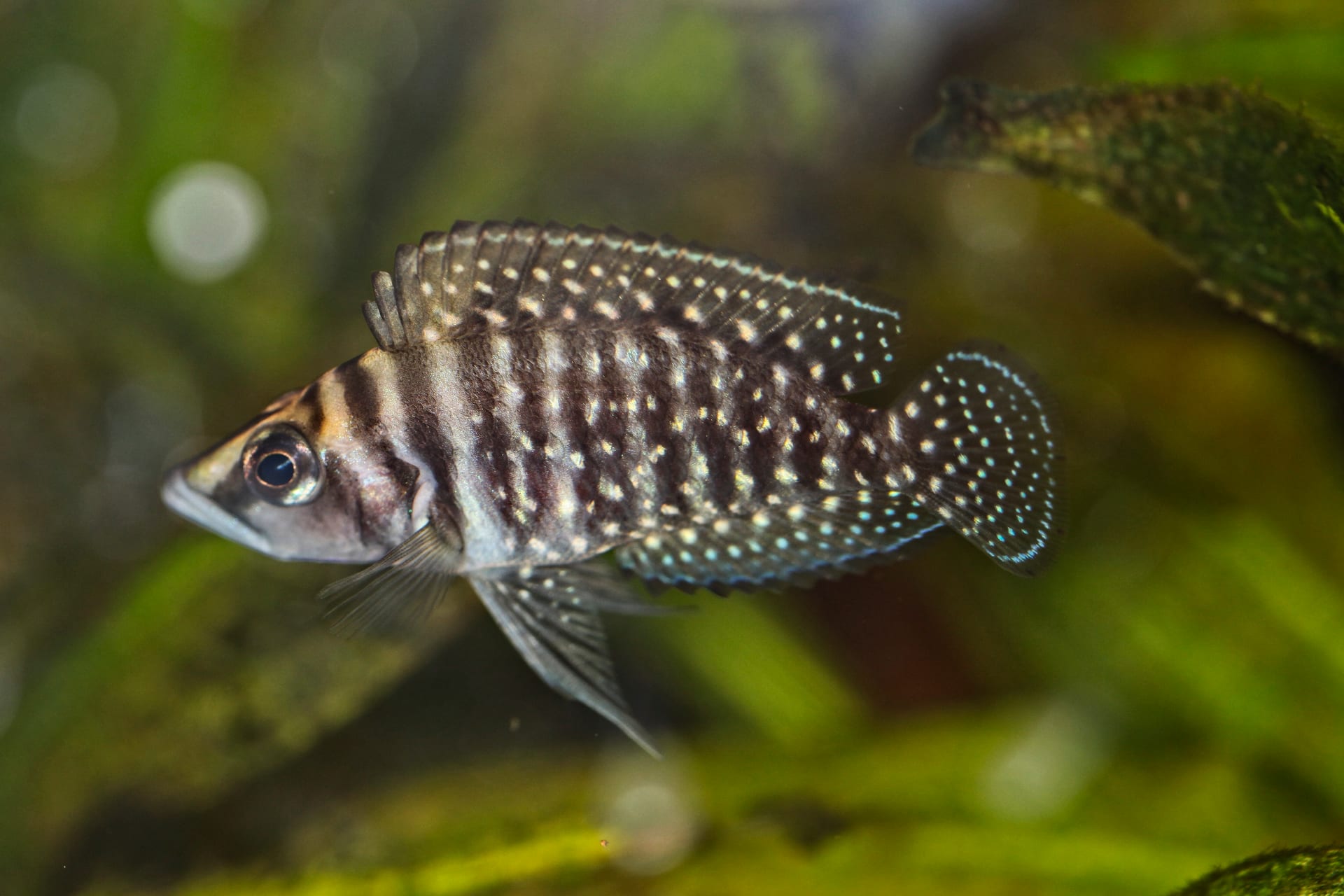
 © 5snake5 / CC0
Calvus
Altolamprologus calvus is a cichlid found only in the southwestern waters of Lake Tanganyika, instantly recognizable by its strikingly flattened, laterally compressed body. That slender shape lets it slip into narrow cracks between rocks, where it spends much of its time tucked away and out of sight. It is generally peaceful toward fish too large to eat, though shy, and when a shrimp or other prey wanders past, it drifts almost lazily across the rockwork before striking in an instant, the hallmark of a patient ambush predator. Adults reach around 13 to 14 cm, and while keeping them well calls for some intermediate-level experience, their understated, wild presence in a rock-filled aquarium makes them a favorite among Lake Tanganyika cichlid keepers.
View Calvus encyclopedia →Breeder Wanted!
List on BreederDirect and sell directly to customers nationwide!
BreederDirect's 6 Transparency Commitments
All Tropical Fish listings include water quality, temperament, and tank size information from verified Breeder.
- Origin Disclosed
- Real Photos
- Water Quality Disclosed
- Recommended Tank Size
- Temperament Disclosed
- Breed Line Disclosed
Browse all 341 breeds
Water Type
Care Level
No listings match your filters
Adjust your filters, or get notified when new listings arrive.
Getting alerts is free with a member account. When new listings match your saved search, we'll notify you by email and in-app.
Browse other categories
Verified breeders (preview)
Are you raising tropical fish?
Register as a breeder and connect with buyers directly.
Apply as a breederCalvus key facts
- Care level
- Intermediate
- Lifespan
- 10-15 years
- Size
- 13-14cm
- Temperature
- 24〜27℃
- Diet
- Frozen and live animal foods such as shrimp and bloodworm
- Tank
- Stack rock to create many narrow cracks and caves. It is shy, so provide ample hiding places.
- Water Temperature & Quality
- 24-27C, pH 7.5-9.0, 8-20 dGH. Keep high-pH hard water stable.
- Tank Mates
- Julidochromis, Neolamprologus, Cyprichromis and Tanganyikan Synodontis suit it. Avoid boisterous fish and very small fish.
- Diet & Feeding
- A crustacean feeder that takes most meaty frozen and live foods. It often refuses dried foods.
- Breeding & Spawning
- A substrate spawner laying up to about 200 eggs; hatching takes around two days and the fry swim after eight to ten. Remove the male once the fry are free-swimming.
- Health & Notes
- Growth is slow and it takes time to develop the deep adult shape. The IUCN assesses the species as Near Threatened.
About Calvus
Altolamprologus calvus is a laterally compressed cichlid endemic to Lake Tanganyika that ambushes prey from rocky crevices. Explore its care essentials, adult size of 13-14cm, and key points to know before bringing one home.
7 things to know before welcoming a Calvus
1Rockwork Is Essential
Calvus use their flattened bodies to squeeze into narrow rock crevices, so a rockwork-heavy layout with plenty of hiding spots is essential. Without enough shelter, they can stay stressed and rarely show their natural behavior.
2Respect Their Shy Nature
They're generally peaceful toward fish too large to eat, but they are shy. Avoid rough tankmates and small fish, give the tank some extra room, and provide hiding spots in several areas.
3A Crustacean-Based Diet
In the wild they're ambush predators that feed mainly on shrimp and other crustaceans. In the aquarium they readily eat frozen or live animal foods such as shrimp and bloodworms, but they often refuse prepared foods, so build their diet around animal-based foods.
4Prefers Hard, Alkaline Water
Being native to Lake Tanganyika, they prefer slightly alkaline, hard water. They're sensitive to sudden shifts in water chemistry, so match temperature and parameters carefully during water changes.
5Slow, Steady Growth
Adults reach about 13 to 14 cm, but they grow at a fairly unhurried pace. Give them time, and their true shape and coloring will come through gradually.
6Choose Tankmates Carefully
Since they're calm, ambush-style feeders, other Lake Tanganyika cichlids with a similarly even temperament make good tankmates. Fast, aggressive feeders can easily out-compete them at mealtime.
7Acclimate Slowly at Introduction
They're sensitive to water changes, so take time with drip acclimation when bringing one home. It's common for them to hide right after introduction, so give them space to settle in quietly.
Frequently asked questions about Calvus
- Q.Is Altolamprologus calvus suitable for beginners?
- A.It's considered a species better suited to intermediate keepers. Setting up a proper rockwork layout and maintaining stable water quality takes some care, so it helps to have prior tropical fish keeping experience first.
- Q.Can it be kept with other fish?
- A.It's generally peaceful toward fish too large to eat, but it is shy, so avoid rough tankmates and small fish. Calm Lake Tanganyika fish make better companions. Give the tank plenty of space and hiding spots, and monitor how tankmates get along.
- Q.What should I feed it?
- A.In the wild it feeds mainly on shrimp and other crustaceans. In the aquarium it readily eats frozen or live animal foods such as shrimp and bloodworms. It often refuses prepared foods, so build its diet around animal-based foods.
- Q.How large does it grow?
- A.Adults reach around 13 to 14 cm. Growth is fairly slow, so it takes time to develop its full adult shape.
- Q.What water conditions does it need?
- A.Being native to Lake Tanganyika, it prefers slightly alkaline, hard water. It's sensitive to sudden changes, so water changes should be done gradually and carefully.
Useful tools for Calvus care
Learn more about Calvus in the encyclopedia
View Calvus encyclopedia entry →
Care difficulty, lifespan, size and diet — all basics covered.
More in this category
Can't find the one you're looking for?
Post your wishes for free and breeders with matching animals will contact you with introductions.