Source: Wikimedia Commons
Calvus
IntermediateAltolamprologus calvus
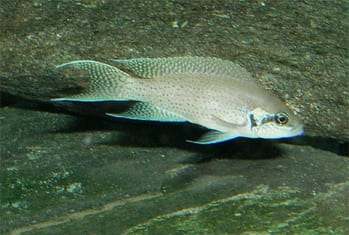
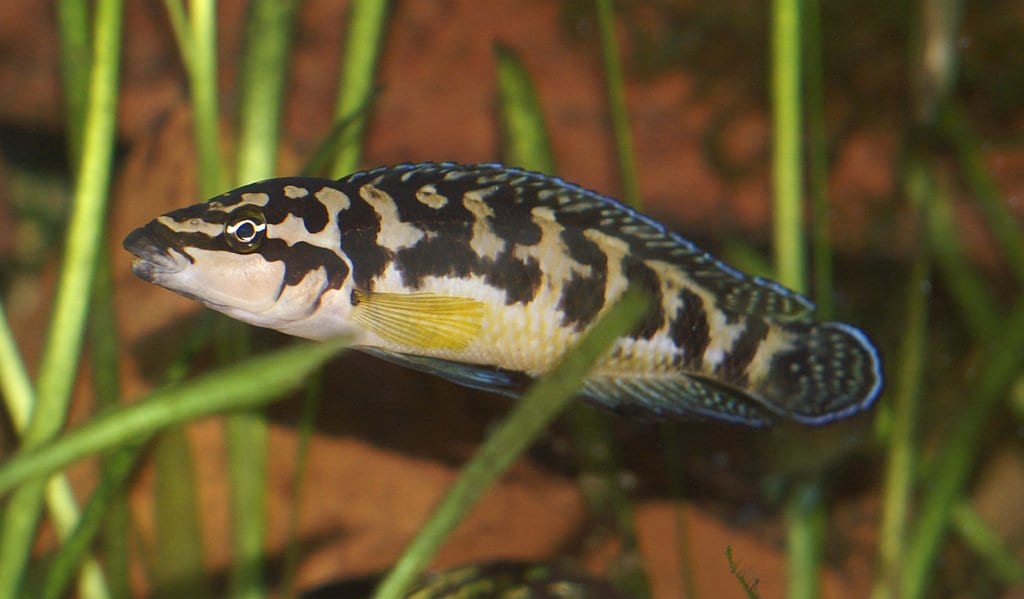
An endemic of southwestern Lake Tanganyika whose extremely compressed body lets it slip into narrow cracks. It feeds mainly on shrimp, cruising the rocks and stalking prey before striking.
Difficulty
Intermediate
Temperature
24〜27℃
Lifespan
10-15 years
Size
13-14cm
Diet
Frozen and live animal foods such as shrimp and bloodworm
About
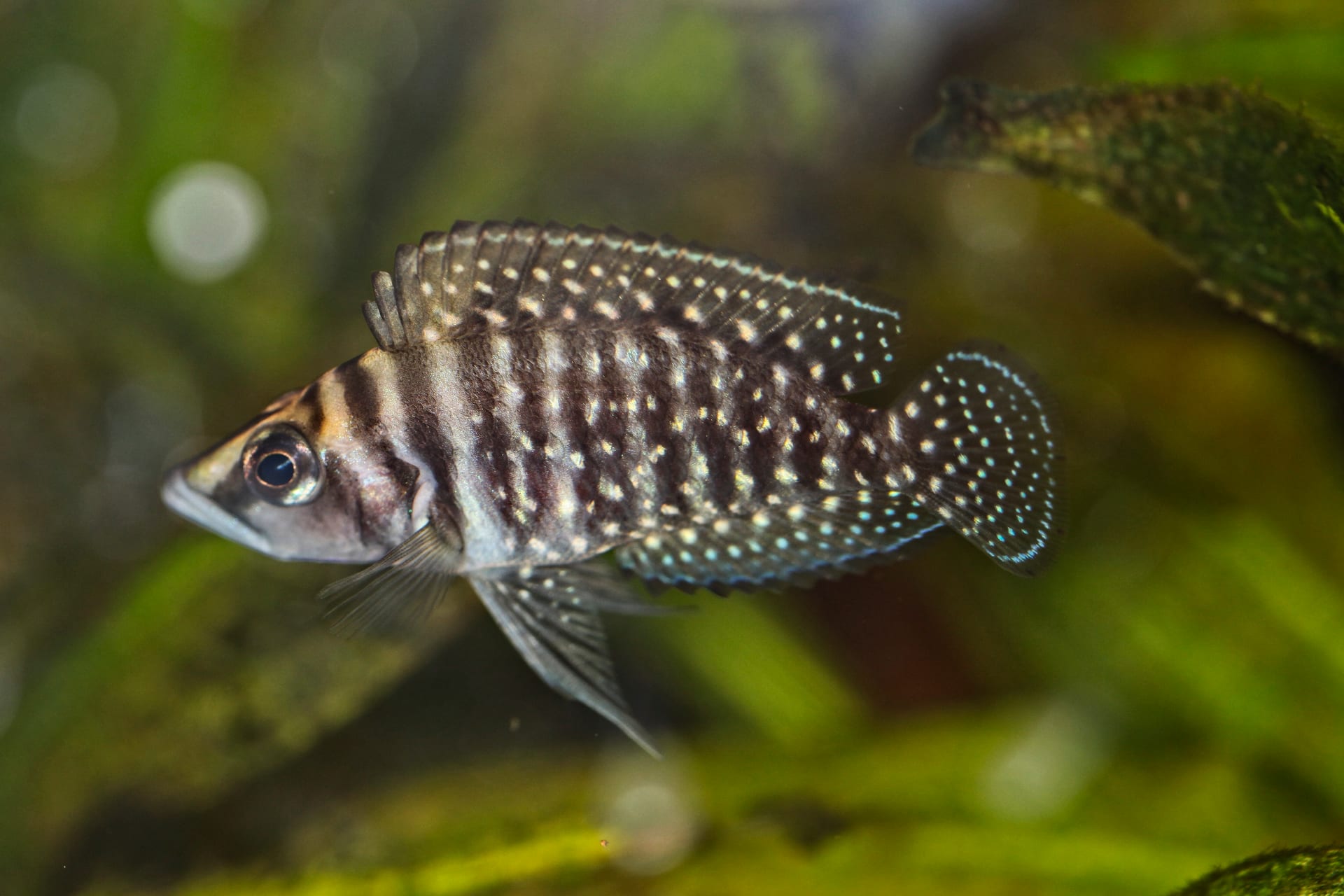
Altolamprologus calvus is a medium-sized cichlid endemic to southwestern Lake Tanganyika. FishBase records a maximum of 13.5cm TL and Seriously Fish gives 13.8cm SL. The body is deep and strongly compressed from side to side, which lets the fish enter narrow cracks and shallow caves. It feeds mainly on shrimp and other crustaceans, cruising 30 to 100cm above the rocky bottom and stalking prey. It is generally peaceful toward fish too large to eat but shy, so boisterous tank mates are unsuitable. Maintain pH 7.5-9.0, 8-20 dGH and 24-27C. It is a substrate spawner laying up to about 200 eggs, which hatch in around two days with the fry free-swimming after eight to ten. Growth is slow and the adult shape takes time to develop.
Source: Wikipedia (CC BY-SA 4.0)
Lifespan of the Calvus
The Calvus lives 10-15 years.
Size of the Calvus
The Calvus grows to 13-14cm.
Temperature & humidity for the Calvus
The ideal temperature for the Calvus is 24〜27℃.
Basic Info
Origin
Southwestern Lake Tanganyika, Africa (endemic)
Lifespan
10-15 years
Size
13-14cm
Care Specifications
- pH
- 7.5–9
- Hardness (GH)
- 8–20 dGH
- Water Temp.
- 24–27℃
PeacefulPairBreeding: Moderate
Sources: Seriously Fish / FishBase
References & Sources
Edited & verified by: BreederDirect editorial team
The taxonomic, regulatory, and husbandry data on this page are compiled and verified against the authoritative primary sources below.
Taxonomy & Authority
Accepted name: Altolamprologus calvus (Poll, 1978)
Authority databases: FishBase
Nomenclature follows global taxonomic authority databases.
Regulations & Conservation Status
Not CITES-listedIUCN NT · Near Threatened
Sources: CITES Appendices (species not listed) / FishBase (IUCN assessment: NT)
Regulations may change. Always verify the latest information with the relevant authorities.
Calvus Listings
Loading latest listingsFind listings for this species