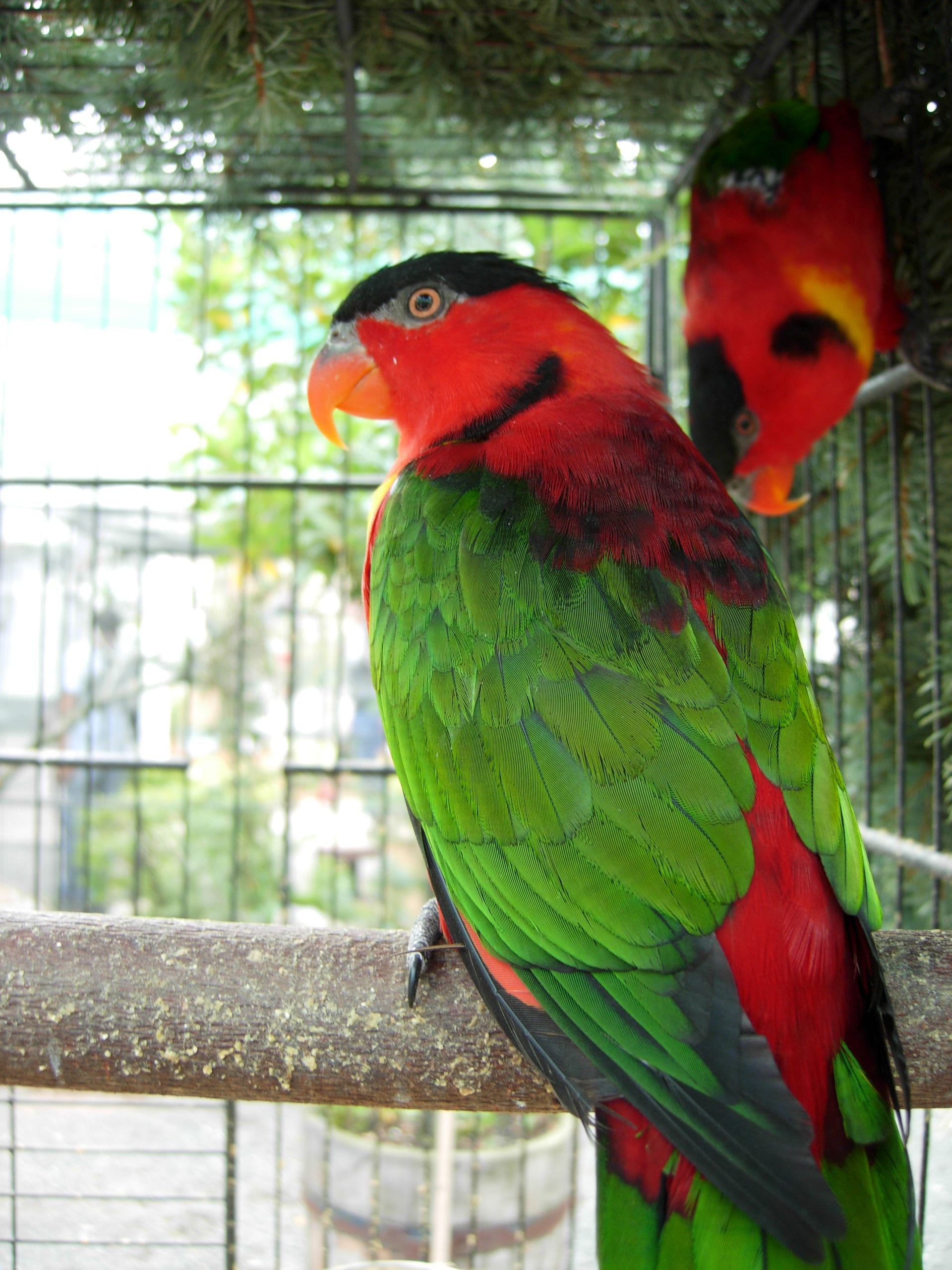
 © Shadster / CC BY-SA 2.5
Yellow-bibbed Lory
The Yellow-bibbed Lory is a lory species found only in the Solomon Islands, with a red body, black head, and vivid green wings. Its name comes from the yellow band across the upper chest that looks like a bib, and it also has crescent-shaped black markings on both sides of the neck. Known for mimicking human speech, it can be an engaging companion that enjoys back-and-forth interaction with its owner. Like other lories, it relies mainly on nectar and pollen for nutrition — a specialized diet that takes real know-how, which is why this species is generally recommended for experienced keepers. Adults reach about 28cm in length, and the species is listed under CITES Appendix II.
View Yellow-bibbed Lory encyclopedia →0% commission on your first sales!Register by September 30, 2026 and your first 2 sales are commission-free!
Breeder Wanted!
List on BreederDirect and sell directly to customers nationwide!
Six Transparency Commitments from BreederDirect
All Birds listings include complete Breeder transparency: hand-raised status, DNA sex determination, and health certification details.
- Hand-Raised
- DNA Sex-Determined
- Health Certified
- Origin Disclosed
- Color Variation Specified
- Age in Months Disclosed
Browse all 286 breeds
Care Level
No listings match your filters
Adjust your filters, or get notified when new listings arrive.
Getting alerts is free with a member account. When new listings match your saved search, we'll notify you by email and in-app.
Browse other categories
Verified breeders (preview)
Yellow-bibbed Lory key facts
- Care level
- Advanced
- Lifespan
- Little data
- Size
- 28 cm
- Diet
- Lory nectar or powdered lory diet and soft fruit
- Temperament
- It mimics many sounds including speech, and is active and playful, so keep it busy with toys and bathing.
- Cage
- Its nectar diet makes the droppings watery and messy, so use an easy-clean metal cage and protect the surroundings.
- Vocalization
- Like other lories it has a shrill, quite loud voice.
- Feeding
- It laps nectar and pollen with a brush-tipped tongue; feed lory nectar or powder with soft fruit, replacing it daily as it spoils quickly.
- Notes
- A seed-based parrot diet does not suit it, so it is for keepers used to lory diets and hygiene.
About Yellow-bibbed Lory
A Solomon Islands lory with a red body, black head, and yellow "bib" marking, known for mimicking speech. An advanced-level bird, about 28cm long, listed under CITES Appendix II.
7 things to know before welcoming a Yellow-bibbed Lory
1A Specialized Nectar-Based Diet
Many lories, including the Yellow-bibbed Lory, rely mainly on nectar and pollen for nutrition. A standard seed-based parrot diet isn't enough on its own, so owners typically use a dedicated nectar formula and consult an avian vet or experienced breeder to balance the diet properly.
2Why It's for Experienced Keepers
Between its specialized diet and its active, inquisitive nature, this species asks for real handling experience. First-time bird owners are usually better off consulting a breeder experienced with lories before bringing one home.
3Droppings Tend to Be Watery
Because lories eat so much nectar and fruit, their droppings are naturally more liquid than those of seed-eating parrots, so the area around the cage gets messy quickly. Planning for easy, frequent cleaning makes daily care much simpler.
4A Talkative Voice Mimic
Yellow-bibbed Lories are known for mimicking human speech and can build up a real back-and-forth with their owners. They can also be vocal at times, so it's worth thinking about how the noise fits your living situation.
5A Mid-Sized Bird, About 28cm
Adults reach roughly 28cm in total length, so they need a cage sized for their body plus enough room to stretch and move around. Toys and perches help keep an active bird like this one engaged.
6The "Bib" Behind the Name
A red body, black head, and green wings are set off by a yellow band across the upper chest that looks like a bib — the source of the species' name. Crescent-shaped black markings on both sides of the neck are another identifying feature.
7Listed Under CITES Appendix II
The Yellow-bibbed Lory is listed under CITES Appendix II. It's also worth knowing that this bird is endemic to the Solomon Islands, found nowhere else in the wild.
Frequently asked questions about Yellow-bibbed Lory
- Q.How big does a Yellow-bibbed Lory get?
- A.Adults reach about 28cm in total length, making this a mid-sized lory. Give them a cage and flight space that matches their build.
- Q.How long do Yellow-bibbed Lories live?
- A.There isn't much reliable data on the lifespan of Yellow-bibbed Lories in captivity, so no firm figure is available. It's best to plan for long-term care rather than rely on a specific number.
- Q.Is this a good bird for beginners?
- A.The Yellow-bibbed Lory is generally considered a species for experienced keepers. Its specialized diet and active temperament call for prior bird-keeping experience, ideally with support from a breeder who has worked with lories before.
- Q.What should I feed a Yellow-bibbed Lory?
- A.Lories mainly need nectar and pollen for nutrition, so a dedicated nectar-based formula is essential rather than a standard seed mix. Talk to a breeder experienced with lories or an avian vet about the right diet plan.
- Q.Do they bond with people and learn to talk?
- A.Yellow-bibbed Lories are known for mimicking human speech and can build a real rapport with their owners. Individual personalities vary, but many are engaging, communicative birds.
Useful tools for Yellow-bibbed Lory care
Learn more about Yellow-bibbed Lory in the encyclopedia
View Yellow-bibbed Lory encyclopedia entry →
Care difficulty, lifespan, size and diet — all basics covered.
More in this category
Can't find the one you're looking for?
Post your wishes for free and breeders with matching animals will contact you with introductions.