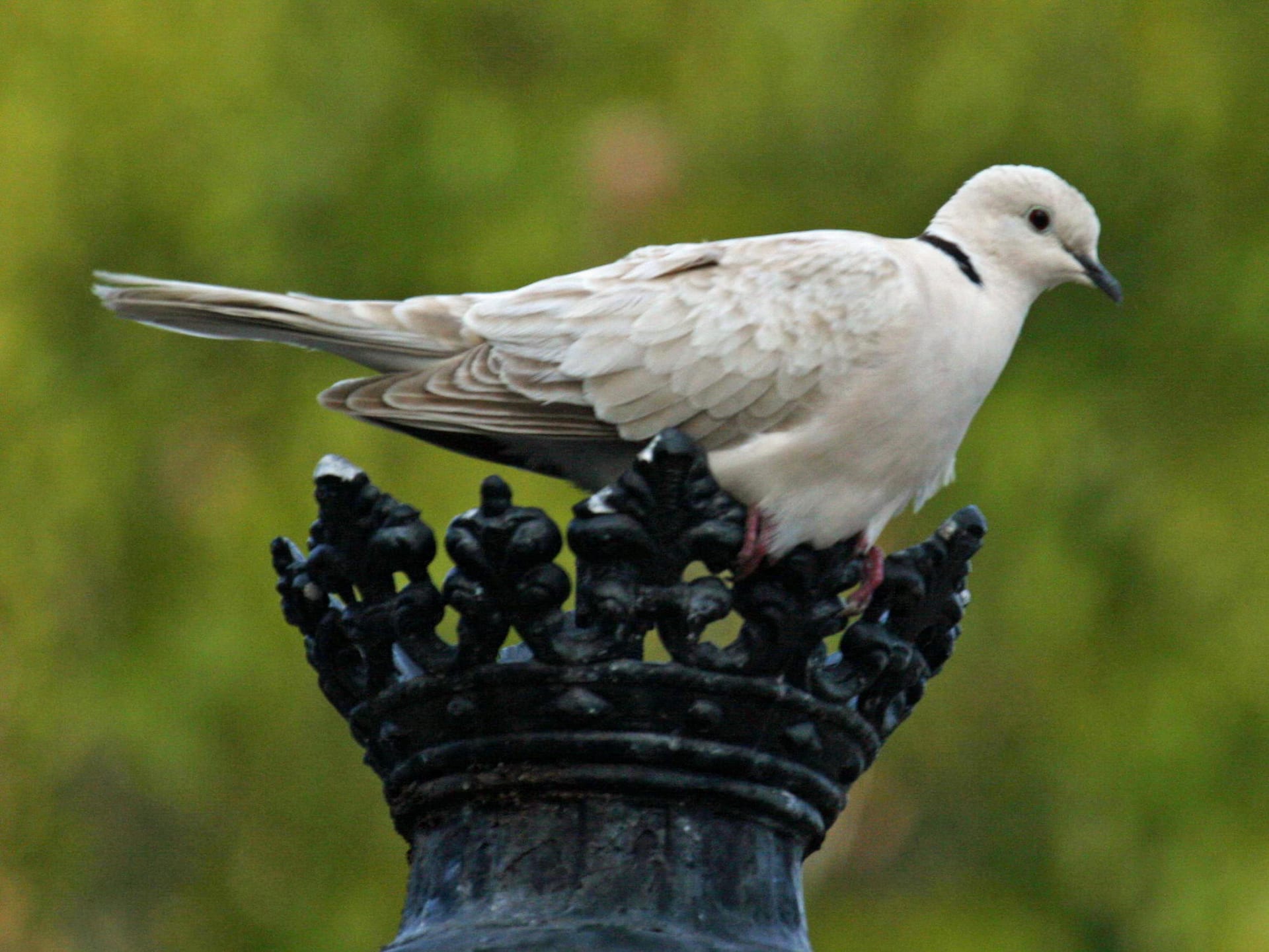
 © Dick Daniels (http://carolinabirds.org/) / CC BY-SA 3.0
Barbary Dove (Ringneck Dove)
The Barbary Dove (Ringneck Dove) is a gentle, sand-colored pigeon with a distinctive black crescent marking on the back of its neck. Calm and easy to tame, it's a great choice for first-time bird keepers. In captivity these doves typically live around 12 years, with some individuals reported to reach 20 years or more — one record even lists 29 years. Their courtship-to-chick-rearing behavior follows a remarkably stable pattern, and their quiet cooing makes them a comfortable companion even in apartment living.
View Barbary Dove (Ringneck Dove) encyclopedia →0% commission on your first sales!Register by September 30, 2026 and your first 2 sales are commission-free!
Breeder Wanted!
List on BreederDirect and sell directly to customers nationwide!
Six Transparency Commitments from BreederDirect
All Birds listings include complete Breeder transparency: hand-raised status, DNA sex determination, and health certification details.
- Hand-Raised
- DNA Sex-Determined
- Health Certified
- Origin Disclosed
- Color Variation Specified
- Age in Months Disclosed
Browse all 247 breeds
Care Level
Verified breeders wanted for Birds
Breeders are signing up now ahead of launch. Subscribe to be notified when new listings go live.
Getting alerts is free with a member account. When new listings match your saved search, we'll notify you by email and in-app.
Browse other categories
Verified breeders (preview)
Barbary Dove (Ringneck Dove) key facts
- Care level
- Beginner-friendly
- Lifespan
- About 12 years in captivity, with cases over 20 years and one record of 29 years
- Size
- About 26cm in the wild African collared dove ancestor (130-166g)
- Diet
- Pigeon mixes of grains and pulses, greens, a calcium source such as oyster shell, and clean drinking water
- Cage
- Use a pigeon cage or aviary with perches and a nest bowl, roomy enough in width and depth that the bird does not damage its feathers when it flaps. Keep a dust-bathing area and clean drinking water available.
- Temperament
- Thoroughly domesticated, it tames readily and is considered easy to keep. Pair bonds are strong, and the sequence from courtship to rearing young appears consistently.
- Vocalization
- It repeats a low, soft cooing produced by muscles vibrating air sent up from the lungs. It is quiet compared with parrots.
- Notes
- It is not listed in the CITES Appendices and needs no special permit to import or keep. As a domesticated form it should never be released outdoors, so housing must be escape-proof.
About Barbary Dove (Ringneck Dove)
Barbary Dove (Ringneck Dove): a calm, sand-colored pigeon with a black neck crescent, easy for beginners, typically living around 12 years with records past 20.
7 things to know before welcoming a Barbary Dove (Ringneck Dove)
1Calm Temperament
Barbary Doves are calm, unflappable birds that tame readily to people. They do well kept alone, and their cooing is relatively quiet, making them easier to keep considerately in apartment settings.
2Space Requirements
Adults reach about 26cm in length, so they need a cage roomy enough to spread their wings comfortably. Daily time outside the cage to stretch and move around helps prevent inactivity and stress.
3A Long-Lived Bird
These doves typically live around 12 years in captivity, but individuals surviving past 20 are not unusual, and one record reaches 29 years. Prospective owners should be ready for a long-term commitment.
4Temperature Care
These doves are sensitive to cold, so keeping room temperature stable through winter matters. Avoid sudden temperature swings and position the cage away from direct sun and drafts.
5Diet & Feeding Basics
Their staple diet is pigeon seed mix or grain, supplemented with oyster shell or grit to aid digestion. Keep fresh water available at all times and remove uneaten food promptly to maintain hygiene.
6Stable Breeding Behavior
Barbary Doves are known for a highly stable courtship-to-chick-rearing sequence, and pairs kept together may breed readily. If breeding isn't desired, plan ahead with single-sex pairings or dummy eggs.
7Preparing Your Home
Preparing temperature control, adequate space, and a plan for noise before bringing a dove home lays the groundwork for a long, healthy life together. Finding an avian-capable vet in advance also helps you respond calmly if health issues arise.
Frequently asked questions about Barbary Dove (Ringneck Dove)
- Q.Are Barbary Doves suitable for first-time bird owners?
- A.Yes, they're considered beginner-friendly thanks to their calm, easily tamed nature. Their relatively quiet cooing also makes them a popular first choice for new bird keepers.
- Q.How long do Barbary Doves live?
- A.In captivity they typically live around 12 years, though many live past 20, and one record reaches 29 years. It's worth planning for a long-term commitment before bringing one home.
- Q.Can Barbary Doves be kept with other birds?
- A.They can be kept alone or in pairs, and pairs may go on to breed. If housing them with other species, check compatibility and cage space carefully beforehand.
- Q.Are Barbary Doves noisy?
- A.Compared with many other bird species, their cooing is generally considered mild. Still, individual birds vary, so it's wise to check how sound carries in your home before bringing one to an apartment.
- Q.Are there any legal restrictions on keeping a Barbary Dove?
- A.Barbary Doves are not subject to CITES. There's no special regulatory procedure to worry about for this species.
Useful tools for Barbary Dove (Ringneck Dove) care
Learn more about Barbary Dove (Ringneck Dove) in the encyclopedia
View Barbary Dove (Ringneck Dove) encyclopedia entry →
Care difficulty, lifespan, size and diet — all basics covered.
More in this category
Can't find the one you're looking for?
Post your wishes for free and breeders with matching animals will contact you with introductions.