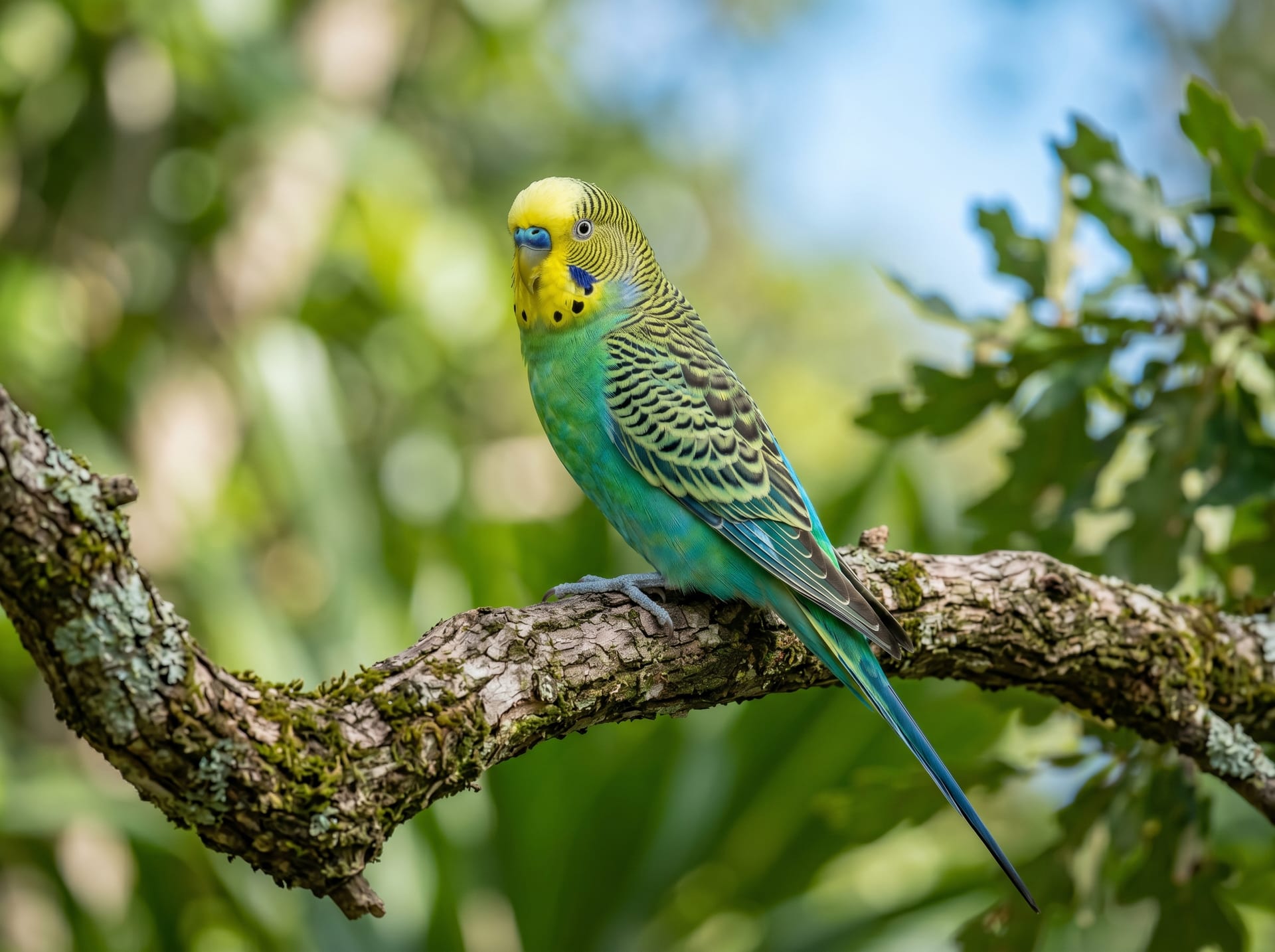
Budgerigar
The world's most popular pet bird. Great talkers, easy to hand-tame, with hundreds of color varieties. Relatively affordable to keep.
View Budgerigar encyclopedia →- Price Range
- ¥210,000〜¥210,000
0% commission on your first sales!Register by September 30, 2026 and your first 2 sales are commission-free!
Breeder Wanted!
List on BreederDirect and sell directly to customers nationwide!
Six Transparency Commitments from BreederDirect
All Birds listings include complete Breeder transparency: hand-raised status, DNA sex determination, and health certification details.
- Hand-Raised
- DNA Sex-Determined
- Health Certified
- Origin Disclosed
- Color Variation Specified
- Age in Months Disclosed
Browse all 35 breeds
Care Level
Verified breeders wanted for Birds
Breeders are signing up now ahead of launch. Subscribe to be notified when new listings go live.
Getting alerts is free with a member account. When new listings match your saved search, we'll notify you by email and in-app.
Browse other categories
Verified breeders (preview)
Budgerigar key facts
- Care level
- Beginner-friendly
- Lifespan
- 7-15 years
- Size
- 18-20cm
- Temperature
- 20〜30℃
- Diet
- Seeds + pellets + vegetables/fruits
- Cage
- 35cm+ wide. Provide perches and bath dish
- Diet
- Seed mix + pellets. Add greens like komatsuna
- Taming
- Hand-raised chicks tame easily. Daily out-of-cage time is essential
- Notes
- Teflon fumes are lethal. Always ensure ventilation
About Budgerigar
The budgerigar, native to the arid interior of Australia, was introduced to Europe in the nineteenth century and has since become one of the most widely kept pet birds in the world. Wild budgerigars display the classic yellow-and-green coloring, but centuries of selective breeding have produced hundreds of color mutations including blue, white, and pastel varieties. Compact at around 18 to 20 centimetres in length, males and females can be distinguished by the color of the cere — the fleshy area above the beak. Naturally curious and sociable, budgerigars bond readily with their owners and can be trained to perch on the hand. Males in particular are known for their ability to mimic words and simple phrases. Their modest space requirements and relatively low food costs make them a practical choice for first-time bird keepers and those living alone. With daily interaction and gentle handling, the bond deepens over time, and these little birds can share your life for ten years or more.
7 things to know before welcoming a Budgerigar
1Cage Size Matters
Budgies are active birds that need room to move, so a cage at least 60 cm wide and 50 cm tall is recommended. Provide multiple perches at different heights to encourage movement. A cage that is too small can lead to stress and lack of exercise.
2Keep Temperatures Stable
Budgies are sensitive to sudden temperature changes, with an ideal room temperature of 20–25°C. Avoid placing the cage near windows with direct sunlight or in the direct airflow of air conditioners and heaters, especially during summer and winter.
3Social and Companion-Oriented
Budgies are flock birds by nature and crave companionship. When kept alone, they need plenty of interaction with their owner each day. Prolonged isolation can lead to excessive calling or feather-plucking. Keeping a pair is worth considering if daily interaction time is limited.
4Talking Ability Varies
Budgies are among the more talkative parrot species, but vocal ability varies considerably between individuals. Males are generally more prone to mimicking words. Consistent daily practice—repeating the same phrases calmly—helps, but not every bird will learn to talk, so set realistic expectations.
5Diet: Pellets or Mixed Seeds
The main diet should consist of budgie-formulated pellets or a mixed seed blend. Seed-only diets can be high in fat, so supplementing with leafy greens such as komatsuna or bok choy several times a week helps maintain balance. Never feed avocado, onions, or chocolate, as these are toxic to birds.
6Routine Nail and Beak Care
Overgrown nails can catch on perches and cause injury, so regular trimming is necessary. Using natural wood perches with varied textures helps slow nail growth naturally. If the beak appears overgrown or misshapen, consult an avian vet rather than attempting to file it yourself.
7Monthly Costs: Roughly ¥3,000–6,000
Monthly running costs including food and consumables are roughly ¥3,000–6,000. Initial setup costs for a cage and accessories typically range from ¥15,000–30,000. Budgeting for one or two annual health checks at an avian clinic (around ¥3,000–5,000 each) is also advisable.
Frequently asked questions about Budgerigar
- Q.Is it better to keep one budgerigar or a pair?
- A.Keeping a single bird tends to encourage stronger bonding with the owner and makes hand-taming and speech training easier. A pair or group will keep each other entertained and may experience less loneliness, though they may show less interest in human interaction. Consider your lifestyle and goals when deciding.
- Q.Are budgerigars loud? Can they be kept in apartments?
- A.Budgerigars are relatively quiet compared to larger parrots and are unlikely to cause serious noise complaints. However, they can chirp actively in the mornings and during free-flight time, which may be audible through thin walls. Keeping them in an apartment is generally feasible, but always check your building's pet policy first.
- Q.How long do budgerigars live?
- A.With proper care, budgerigars typically live seven to ten years, and some individuals reach fifteen years or beyond. Because they require a long-term commitment, it is worth considering potential life changes such as travel, relocation, or shifts in lifestyle before bringing one home. Please be confident that you can provide care throughout their entire life.
- Q.How much daily care time do budgerigars need?
- A.Basic daily care — refreshing food and water and a quick cage clean — takes around 15 to 20 minutes. Adding one to two hours of free-flight and interaction time is ideal for the bird's wellbeing. On busy days, even talking to them through the cage bars helps maintain your bond.
- Q.What is the difference between raising a chick and adopting an adult?
- A.Raising a chick from a young age makes hand-taming easier and helps build a deep bond, but it requires specialized care such as temperature management and hand-feeding. Adult birds are more stable and self-sufficient, though they may take longer to adjust to a new environment. For first-time owners, a recently weaned juvenile around two to three months old is often the most manageable starting point.
Useful tools for Budgerigar care
Learn more about Budgerigar in the encyclopedia
View Budgerigar encyclopedia entry →
Care difficulty, lifespan, size and diet — all basics covered.
Budgerigar related articles
Budgerigar Breeding Season Management Guide | Complete Guide from Pair Bonding to Fledging
A practical guide to successful budgerigar breeding. Explains the complete process from selecting pairs, nest box setup, managing egg-laying through incubation, monitoring chick development, and transitioning from hand-feeding to independent eating and fledging.
Budgerigar Breeding Beginner's Guide | Complete Guide from Pairing to Chicks Eating Independently
Complete guide to successful budgerigar breeding. Clear explanations from selecting pairs, installing nest boxes, egg-laying, hatching, hand-feeding, to transitioning chicks to independent feeding—perfect for those attempting breeding for the first time.
Budgerigar Lifespan and Tips for Longevity: Diet, Exercise, and Stress Management
The average lifespan of budgerigars is 7-12 years. This guide explains five key points—pellet-based diet, daily flight time, adequate sleep, preventing excessive breeding, and regular health checkups—to help your feathered friend live a long and healthy life.
Parrot & Macaw Species Comparison: Talking Ability and Training Steps
Comparing the speaking ability of popular species such as African Grey Parrots, Budgerigars, Cockatiels, and Amazon Parrots. We explain effective steps for speech training, from building trust to mastering single words and contextual learning.
Parrot and Parakeet Breeding Season Management Guide | Causes and Solutions for Excessive Breeding
Behavioral changes that occur during breeding season in popular parakeets such as Budgerigars and Cockatiels, and an explanation of the causes and countermeasures for problematic "excessive breeding." This guide introduces daily management practices and environmental adjustment tips to prevent issues such as egg-laying, aggression, and feather damage.
Budgerigar Color Genetics | How Color Variations and Breeding Work
Explaining budgerigar color genetics and the mechanisms behind color inheritance. Introducing genetic patterns such as green, blue, and yellow-faced varieties.
More in this category
Can't find the one you're looking for?
Post your wishes for free and breeders with matching animals will contact you with introductions.