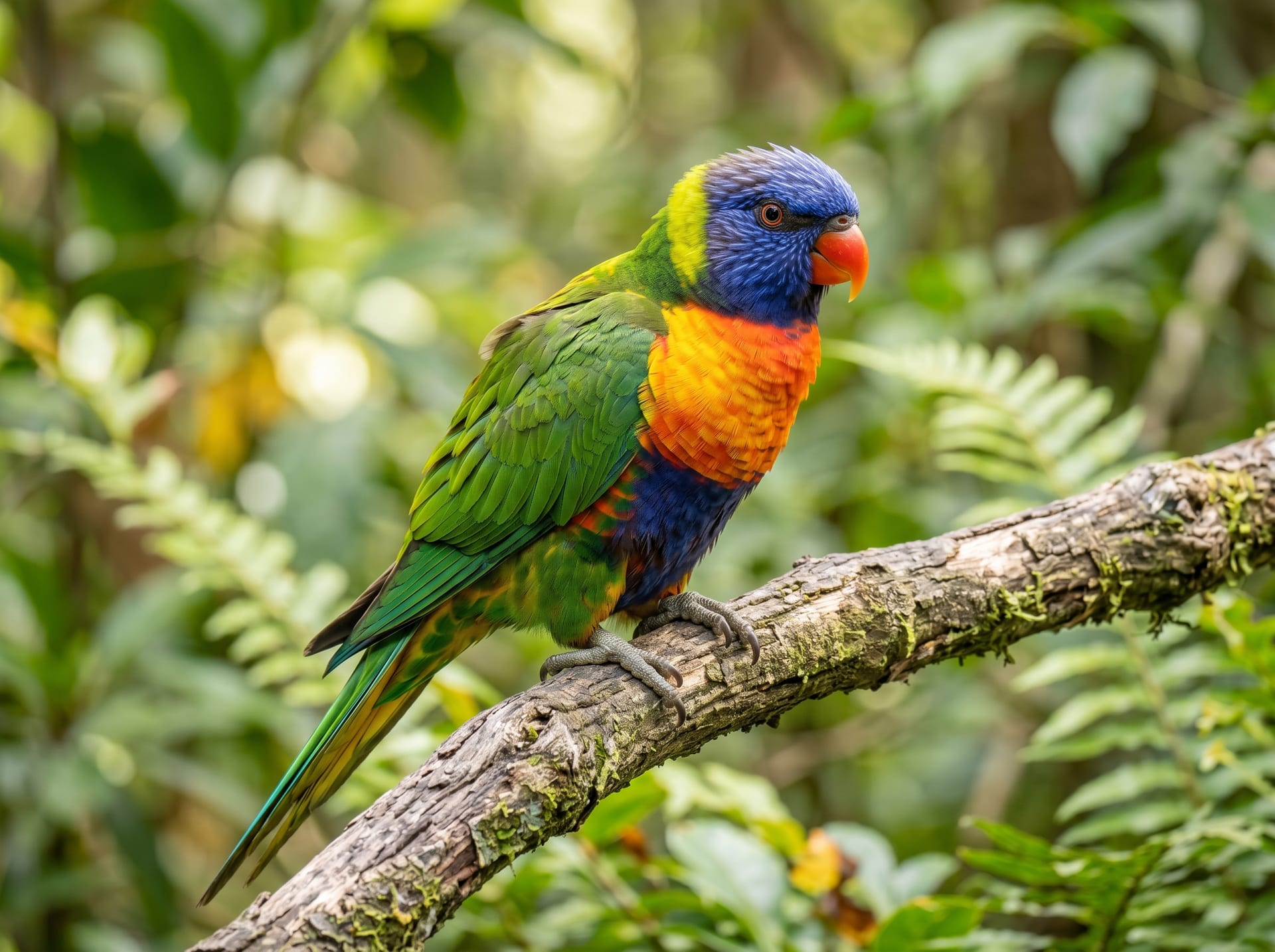
Lorikeet
Lories and lorikeets are nectar-feeding parrots celebrated for their vivid plumage and lively personalities. They bond closely with their owners and thrive on interactive play and attention. Their unique liquid diet requires specialized feeding and results in loose droppings, making their care distinctly different from seed-eating parrots.
View Lorikeet encyclopedia →- Price Range
- ¥210,000〜¥210,000
0% commission on your first sales!Register by September 30, 2026 and your first 2 sales are commission-free!
Breeder Wanted!
List on BreederDirect and sell directly to customers nationwide!
Six Transparency Commitments from BreederDirect
All Birds listings include complete Breeder transparency: hand-raised status, DNA sex determination, and health certification details.
- Hand-Raised
- DNA Sex-Determined
- Health Certified
- Origin Disclosed
- Color Variation Specified
- Age in Months Disclosed
Browse all 35 breeds
Care Level
Verified breeders wanted for Birds
Breeders are signing up now ahead of launch. Subscribe to be notified when new listings go live.
Getting alerts is free with a member account. When new listings match your saved search, we'll notify you by email and in-app.
Browse other categories
Verified breeders (preview)
Lorikeet key facts
- Care level
- Intermediate
- Lifespan
- 20-30 years
- Size
- 25-30cm
- Temperature
- 18〜30℃
- Humidity
- 50〜70%
- Diet
- Lorikeet nectar, pollen, fruits
- Diet
- Specialized wet food required. Regular seeds unsuitable
- Droppings
- Liquid diet causes watery droppings. Frequent cleaning needed
- Temperament
- Very active and playful. Free flight time important
- Notes
- Loud vocalizations. Consider neighbors
About Lorikeet
Lories and lorikeets are parrots belonging to the family Psittaculidae, native to Australia, Southeast Asia, and the Pacific Islands. The names collectively refer to multiple genera and species that share a distinctive feeding strategy: they use a brush-tipped tongue called a "brush tongue" to collect nectar and pollen directly from flowers. Plumage varies by species but frequently features vivid combinations of red, blue, green, and yellow, making them prized as ornamental birds worldwide. In terms of personality, they are curious, energetic, and notably affectionate toward their owners, often actively seeking out interaction. Their intelligence allows them to learn tricks, though it also means they are prone to boredom and loneliness if under-stimulated. The daily demands of managing liquid food and thorough cage cleaning can feel substantial, but owners who embrace these routines are rewarded with a companion whose personality and charm are genuinely unlike any other parrot.
7 things to know before welcoming a Lorikeet
1Specialized Diet Required
Lories require a specialized liquid nectar diet and fresh fruits daily, as their digestive systems are adapted for nectar and pollen rather than seeds. Commercial lory nectar powders mixed with water are the most practical staple. Providing the wrong diet can quickly lead to nutritional deficiencies.
2Expect Liquid Droppings
Because of their liquid diet, lories produce very watery droppings that can spray far beyond the cage. Daily cleaning of the cage and surrounding area is essential to maintain hygiene. Waterproof cage liners and splash guards can significantly reduce cleanup effort.
3Intelligent and Playful
Lories are highly intelligent and curious birds that can develop feather-destructive behaviors if under-stimulated. Daily out-of-cage play sessions and a variety of chewable and foraging toys are essential. Mental enrichment is just as important as proper nutrition for their overall wellbeing.
4Vocal and Loud
Lories are vocal birds and can produce loud, piercing calls, especially when excited or seeking attention. Those living in apartments or close quarters should carefully consider noise levels before acquiring one. Some species are capable of learning words and mimicking sounds.
5Daily Feeding Hygiene
Liquid nectar spoils quickly at room temperature, so food dishes must be cleaned and refilled at least twice daily. Neglecting hygiene can lead to mold and bacterial growth, posing serious health risks. This feeding routine requires more frequent attention than caring for seed-eating birds.
6Social but Possessive
Lories form strong bonds with their owners and can become stressed when left alone for extended periods. Ideally, they need consistent daily interaction and attention to remain emotionally healthy. When keeping multiple birds, compatibility should be assessed carefully as some individuals can be territorial.
7Costs to Consider
Purchase prices for lories vary widely depending on species and rarity, often ranging from moderate to quite high. Ongoing costs include specialized nectar food, cage accessories, and avian veterinary care. Access to an experienced avian vet can be limited in some regions, so researching local veterinary options before bringing one home is advisable.
Frequently asked questions about Lorikeet
- Q.Are lories suitable for first-time bird owners?
- A.It is possible for first-time owners, but lories demand more daily effort than typical parrots — including liquid diet preparation and thorough cleaning. Research their care requirements thoroughly and honestly assess whether you can commit the necessary time and space before proceeding.
- Q.Can lories be kept by someone living alone?
- A.Some solo owners do keep lories successfully, but a lifestyle involving long daily absences is not well suited to these social birds. If you are away during the day, plan dedicated interaction time in the morning and evening, and provide environmental enrichment to keep them stimulated.
- Q.Can lories be kept with other bird species?
- A.Lories tend to be bold and assertive, and they can injure other bird species. Even with birds of the same species, compatibility is not guaranteed. If attempting to house multiple birds, always start with separate cages and introduce them gradually while monitoring closely.
- Q.What should I feed my lory?
- A.The diet foundation should be a commercial lory nectar formula — typically a powder mixed with water. Fresh fruits such as apple, grape, and papaya can supplement the diet. Seeds and nuts are not appropriate as a dietary staple and may place strain on their digestive system.
- Q.How long does it take for a lory to bond with its owner?
- A.It varies by individual, but hand-raised young birds often bond relatively quickly. Adult birds can also become tame with patient, consistent handling. Daily vocal interaction and hands-on contact during out-of-cage time are the most effective ways to build trust.
Useful tools for Lorikeet care
Learn more about Lorikeet in the encyclopedia
View Lorikeet encyclopedia entry →
Care difficulty, lifespan, size and diet — all basics covered.
Lorikeet related articles
Rainbow Lorikeet Care Guide | Diet, Vocalizations, and the Secret of Their Special Tongue
A practical guide to Rainbow Lorikeet care, covering diet management for these nectar-feeding birds with specialized tongues, maintaining their vibrant plumage, addressing loud vocalizations, and managing sticky droppings.
Complete Guide to Caring for Loris and Lorikeets | Special Management and Charm of Nectar-Feeding Birds
This guide explains how to care for Loris and Lorikeets, popular for their vibrant plumage and affectionate personalities. We cover nectar-based diet management, dealing with liquid droppings, specialized cage cleaning methods, managing their social nature, and comparisons of recommended species (Black-capped Lory, Rainbow Lorikeet, and more).
More in this category
Can't find the one you're looking for?
Post your wishes for free and breeders with matching animals will contact you with introductions.