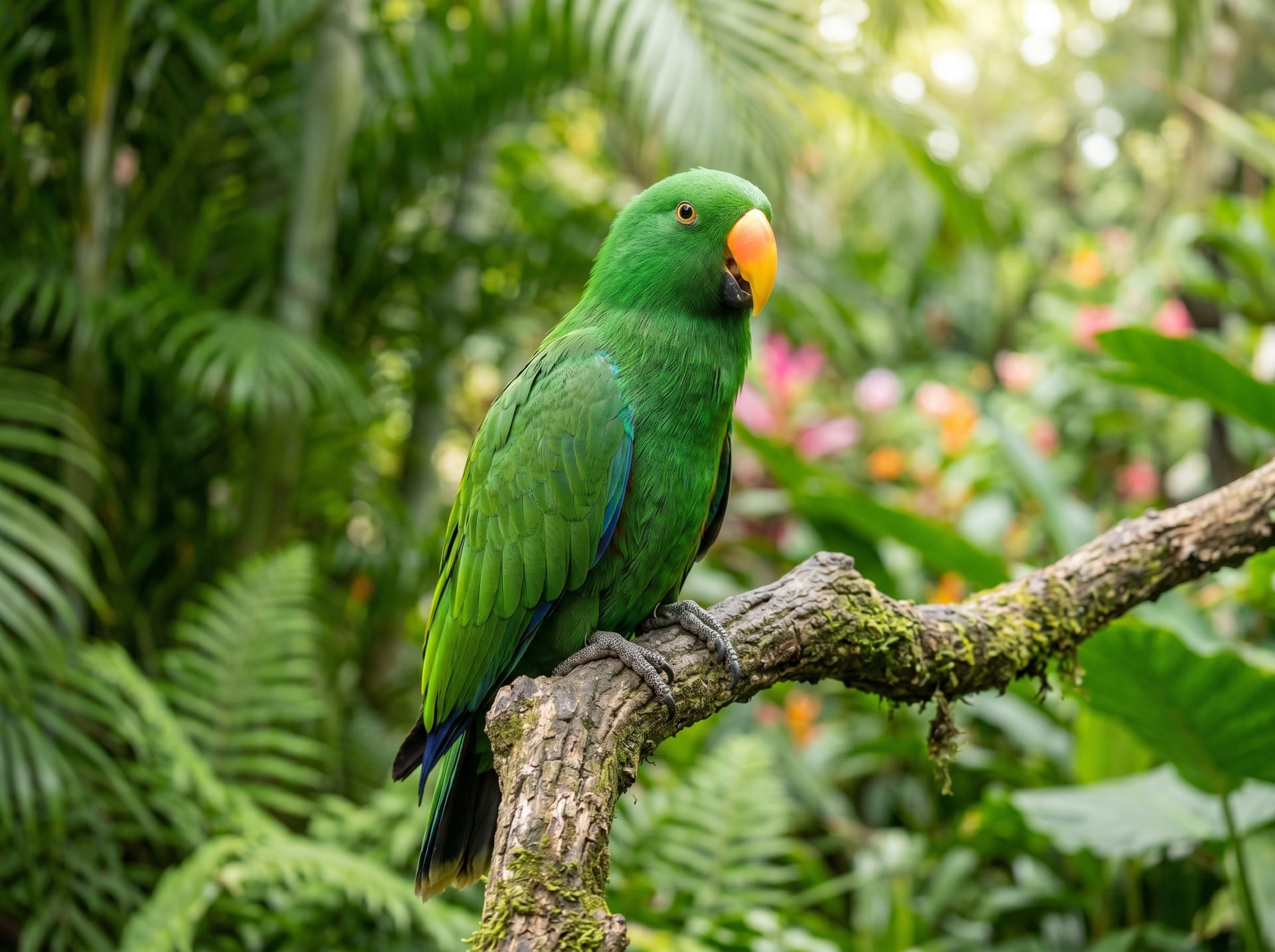
Eclectus Parrot
Males vivid green, females red-purple — so different they look like separate species. Fruit-loving with unique nutritional needs.
View Eclectus Parrot encyclopedia →0% commission on your first sales!Register by September 30, 2026 and your first 2 sales are commission-free!
Breeder Wanted!
List on BreederDirect and sell directly to customers nationwide!
Six Transparency Commitments from BreederDirect
All Birds listings include complete Breeder transparency: hand-raised status, DNA sex determination, and health certification details.
- Hand-Raised
- DNA Sex-Determined
- Health Certified
- Origin Disclosed
- Color Variation Specified
- Age in Months Disclosed
Browse all 247 breeds
Care Level
Verified breeders wanted for Birds
Breeders are signing up now ahead of launch. Subscribe to be notified when new listings go live.
Getting alerts is free with a member account. When new listings match your saved search, we'll notify you by email and in-app.
Browse other categories
Verified breeders (preview)
Eclectus Parrot key facts
- Care level
- Intermediate
- Lifespan
- 30-50 years
- Size
- 33-37cm
- Diet
- Fruits and vegetables mainly (limited pellets)
- Housing
- Provide a large cage at least 60 cm wide. Gentle and intelligent but sensitive to stress, so keep it in a calm environment.
- Diet & Feeding
- Base the diet on sugary fruits and vegetables and avoid leaning on fatty seeds; keep pellets to a modest amount.
- Health & Cautions
- Especially prone to vitamin A deficiency, so offer pumpkin, carrot and komatsuna generously. Also watch for aspergillosis and feather plucking.
- Diet
- Unique diet centered on fruits and vegetables
- Notes
- Watch for vitamin A excess. Sensitive to artificial additives
About Eclectus Parrot
The Eclectus Parrot (Eclectus roratus) is a large parrot native to northern Australia, New Guinea, and the Maluku Islands. Its most remarkable feature is its extreme sexual dimorphism — green males and red-purple females were classified as separate species until the 19th century. Measuring 33–37 cm with a sturdy build, Eclectus parrots can live 30–50 years under proper care. They are calm and observant by temperament, responding keenly to their owner's expressions and tone of voice. They dislike noise and irregular routines, and chronic stress may manifest as feather-destructive behavior. Nutritionally, they thrive on fresh fruits, vegetables, and sprouted legumes, and do poorly on pellet-heavy diets. Their extraordinary beauty and quiet intelligence make them a uniquely rewarding species for experienced bird keepers ready for a long-term commitment.
7 things to know before welcoming a Eclectus Parrot
1Striking Sexual Dimorphism
Males are brilliantly green while females are vivid red and purple — so different that they were historically classified as separate species. Always confirm the sex of the individual before purchasing if appearance matters to you, as the difference is dramatic and lifelong.
2Fruit-Forward Diet Required
Eclectus parrots have a uniquely long digestive tract suited to fresh produce, and high-fat or high-protein pellet-heavy diets can contribute to health issues over time. Fresh fruits and vegetables should form the core of their diet, with pellets used sparingly. Be prepared for daily food prep as a long-term commitment.
3Lifespan of 30–50 Years
Eclectus parrots commonly live 30–50 years in good conditions, potentially outliving their owners. Before committing, consider your long-term lifestyle plans and identify a trusted person who could care for the bird if circumstances change. This is one of the most significant responsibilities associated with this species.
4Spacious Housing Is Essential
Reaching 33–37 cm in length, Eclectus parrots need a large cage where they can fully extend their wings and move freely. Daily out-of-cage time for flight and exploration is strongly recommended. Ensure you have adequate space in your home before acquiring one.
5Sensitive to Stress and Routine
Eclectus parrots are notably sensitive to stress, irregular schedules, and environmental disruption, which can manifest as feather-destructive behavior. Maintaining a consistent daily routine and a calm, low-stimulation environment helps prevent stress-related issues. Take time when introducing them to a new home.
6Personality Differs by Sex
Male Eclectus are often described as gentle and affectionate, while females can be more independent and territorial, especially during hormonal periods. Consider which temperament suits your lifestyle, and ideally meet the individual bird before purchasing. Consulting experienced keepers or breeders is also recommended.
7Ongoing Costs to Budget For
Eclectus parrots carry a relatively high purchase price, and ongoing costs include a large cage, daily fresh produce, and regular veterinary care from an avian specialist. Finding an avian vet in your area before bringing one home is strongly advised. Factor in the full lifetime cost — potentially 30–50 years — when budgeting.
Frequently asked questions about Eclectus Parrot
- Q.Are Eclectus parrots good talkers?
- A.Eclectus parrots are generally considered capable talkers with relatively clear articulation, though individual ability varies. Consistent, patient interaction tends to encourage vocabulary development in many individuals.
- Q.How long can an Eclectus be left alone each day?
- A.Many Eclectus parrots tolerate a few hours alone without issue, but prolonged isolation can lead to stress and behavioral problems. A daily routine that includes interaction and out-of-cage time is strongly recommended.
- Q.Do male and female Eclectus differ in personality?
- A.Males are generally described as gentle and sociable, while females tend to be more independent and territorial. These are broad tendencies, however, and individual personality varies considerably.
- Q.Is the Eclectus parrot suitable for first-time bird owners?
- A.Due to their specialized dietary needs and sensitivity to stress, Eclectus parrots require research and ongoing commitment. Gaining experience with smaller parrot species first is often recommended before taking on this long-lived, high-needs bird.
- Q.Why can't Eclectus parrots eat mainly pellets?
- A.Eclectus parrots have a longer digestive tract than most parrots, making them prone to over-processing high-protein, high-fat pellets when fed in large quantities. Fresh fruits and vegetables should be the dietary foundation, with pellets used only as a small supplement.
Useful tools for Eclectus Parrot care
Learn more about Eclectus Parrot in the encyclopedia
View Eclectus Parrot encyclopedia entry →
Care difficulty, lifespan, size and diet — all basics covered.
Eclectus Parrot related articles
See more Eclectus Parrot articles →More in this category
Can't find the one you're looking for?
Post your wishes for free and breeders with matching animals will contact you with introductions.