 © Derek Keats from Johannesburg, South Africa / CC BY 2.0
Cut-throat Finch
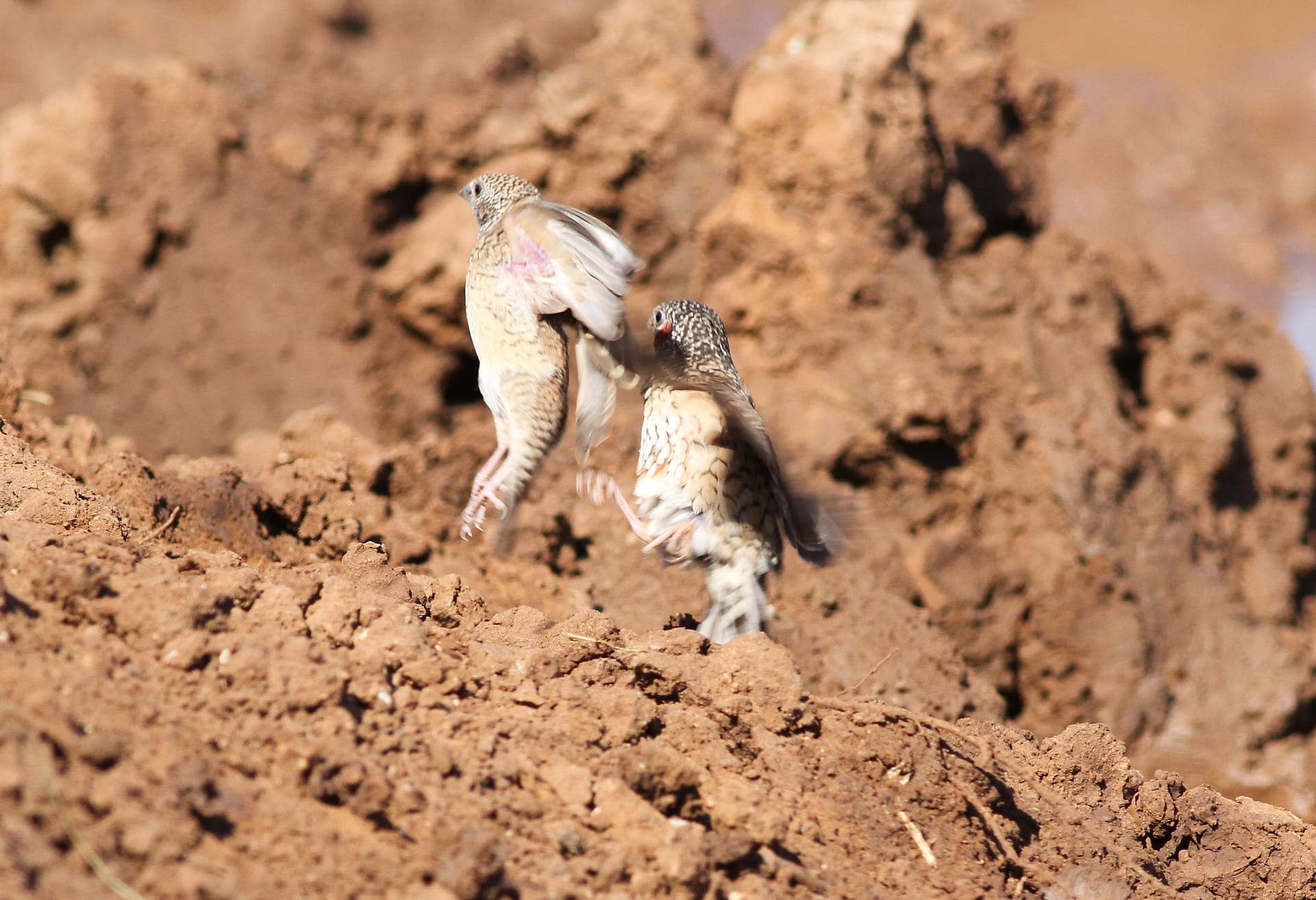
The Cut-throat Finch is a small African estrildid finch with a pale sandy-brown body speckled in fine black markings. Only males display the vivid red band across the throat that gives the species its striking name, making sexing straightforward even for first-time keepers. A chestnut patch on the belly adds further contrast to its subtle plumage. Compact and lively, these finches are generally quiet, which suits apartment living well. Watching a small group interact within an aviary or cage is one of the simple pleasures of keeping this approachable, beginner-friendly bird.
View Cut-throat Finch encyclopedia →0% commission on your first sales!Register by September 30, 2026 and your first 2 sales are commission-free!
Breeder Wanted!
List on BreederDirect and sell directly to customers nationwide!
Six Transparency Commitments from BreederDirect
All Birds listings include complete Breeder transparency: hand-raised status, DNA sex determination, and health certification details.
- Hand-Raised
- DNA Sex-Determined
- Health Certified
- Origin Disclosed
- Color Variation Specified
- Age in Months Disclosed
Browse all 247 breeds
Care Level
Verified breeders wanted for Birds
Breeders are signing up now ahead of launch. Subscribe to be notified when new listings go live.
Getting alerts is free with a member account. When new listings match your saved search, we'll notify you by email and in-app.
Browse other categories
Verified breeders (preview)
Cut-throat Finch key facts
- Care level
- Beginner-friendly
- Lifespan
- 5-8 years
- Size
- About 12cm
- Temperature
- 10℃
- Diet
- Mixed millet-based seed, spray millet, sprouted seed, and greens such as chickweed and dandelion
- Cage
- A large cage or preferably an aviary is best. It can live outdoors in summer but must move indoors above 10 degrees Celsius by autumn.
- Temperament
- Hardy and easy to handle, but it may take over other species' nests when breeding, so provide extra nest boxes in a mixed aviary.
- Vocalization
- Calls are short and hard and the song is modest, so noise is seldom a problem.
- Notes
- Because it does not build its own nest, always supply nest boxes and material. It cannot be kept healthy below 10 degrees Celsius.
About Cut-throat Finch
The Cut-throat Finch is an African finch known for the male's red throat band. Easy to sex and beginner-friendly — here's what to know before bringing one home.
7 things to know before welcoming a Cut-throat Finch
1Telling Males from Females
Only males carry the vivid red band across the throat, making this one of the easiest finch species to sex by sight alone. This is reassuring for anyone planning to keep a pair, since gender can be confirmed visually with confidence.
2Size and Housing Space
Adults reach about 12 cm, a compact size that doesn't demand much floor space. Even so, if keeping more than one bird, choose a cage or small aviary roomy enough for all of them to move freely.
3Calm, Social Temperament
This species is generally described as calm and often compatible with other small finches in a mixed aviary setting. Still, give a newly arrived bird a quiet space to settle in before introducing tankmates, to avoid unnecessary stress.
4Diet and Nutritional Balance
Seed forms the staple diet, but a balanced menu typically includes leafy greens, calcium supplements like crushed oyster shell, and pellets. Offering a variety of foods helps prevent nutritional gaps from a seed-only diet.
5Temperature and Environment
As an African native, this finch is sensitive to sudden temperature drops. Keep room temperature stable in winter, and position the cage away from direct sunlight and drafts.
6Routine Health Checks
Make it a habit to check feather condition, appetite, and droppings daily. If a bird seems lethargic or sits puffed up and inactive, consult an avian veterinarian promptly rather than waiting to see if it resolves on its own.
7Supplies to Prepare in Advance
Have the cage, perches, food and water dishes, and a heating source ready before your bird arrives. During the first few days of adjustment, keep observation quiet and minimal so the bird can settle in more easily.
Frequently asked questions about Cut-throat Finch
- Q.Is the Cut-throat Finch easy for beginners to keep?
- A.Yes, this species is generally considered beginner-friendly. Because males and females can be told apart easily by sight, it's an approachable choice for first-time bird keepers.
- Q.How can you tell males and females apart?
- A.Only males display the vivid red band across the throat; females lack this marking entirely. This makes visual sexing straightforward compared to many other finch species.
- Q.How large does this finch grow?
- A.Adults reach roughly 12 cm, a compact size. This makes them relatively space-efficient even when keeping more than one bird.
- Q.Can it be kept alongside other finches?
- A.This species is often described as calm and generally compatible with other small finches. That said, individual temperament varies, so introduce new tankmates gradually and monitor how they interact.
- Q.Are there any CITES restrictions on this species?
- A.The Cut-throat Finch falls outside CITES. No special regulatory procedures apply when bringing one home.
Useful tools for Cut-throat Finch care
Learn more about Cut-throat Finch in the encyclopedia
View Cut-throat Finch encyclopedia entry →
Care difficulty, lifespan, size and diet — all basics covered.
More in this category
Can't find the one you're looking for?
Post your wishes for free and breeders with matching animals will contact you with introductions.