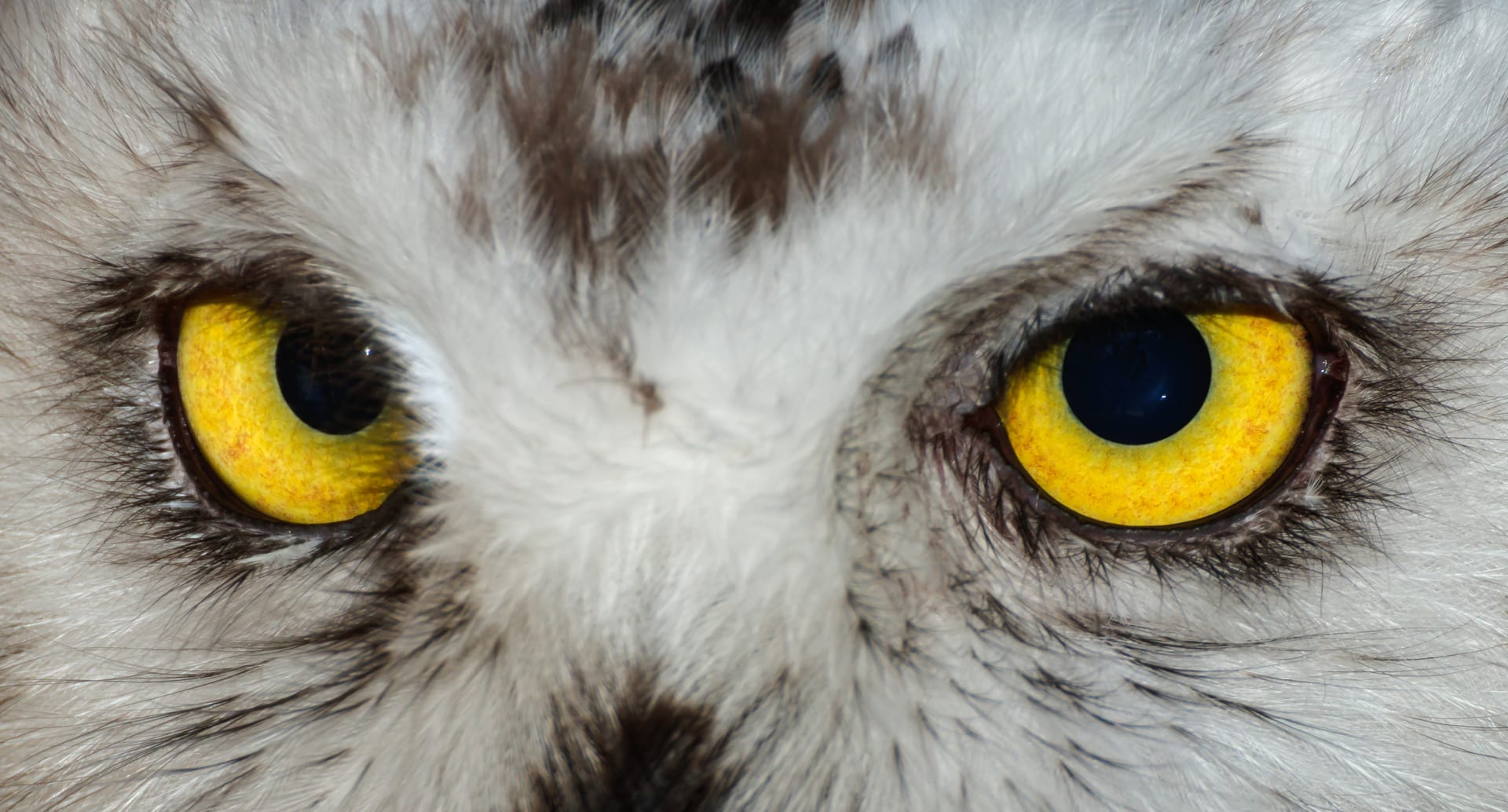
 © H. Zell / CC BY-SA 3.0
Snowy Owl
The Snowy Owl is a large owl covered almost entirely in white plumage — the only living owl known primarily for its white feathers, with even its toes feathered for insulation. Females grow noticeably larger than males, and with wings spread the bird can reach 140–165cm across. Though it may appear calm, it retains the sharp instincts and wariness typical of raptors, calling for experienced, knowledgeable care. Classified as Vulnerable (VU) by the IUCN, this striking bird deserves careful consideration of its needs before joining a household.
View Snowy Owl encyclopedia →0% commission on your first sales!Register by September 30, 2026 and your first 2 sales are commission-free!
Breeder Wanted!
List on BreederDirect and sell directly to customers nationwide!
Six Transparency Commitments from BreederDirect
All Birds listings include complete Breeder transparency: hand-raised status, DNA sex determination, and health certification details.
- Hand-Raised
- DNA Sex-Determined
- Health Certified
- Origin Disclosed
- Color Variation Specified
- Age in Months Disclosed
Browse all 247 breeds
Care Level
Verified breeders wanted for Birds
Breeders are signing up now ahead of launch. Subscribe to be notified when new listings go live.
Getting alerts is free with a member account. When new listings match your saved search, we'll notify you by email and in-app.
Browse other categories
Verified breeders (preview)
Snowy Owl key facts
- Care level
- Advanced
- Lifespan
- 15+ years
- Size
- 50-60cm (wingspan 140-165cm; males median about 1,658g with a range of 1,300-2,500g, females median about 2,102g with a range of 1,330-2,951g)
- Diet
- Frozen mice, rats, day-old chicks and quail; in the wild strongly dependent on tundra lemmings, taking a wider range including birds outside the breeding season
- Cage
- An Arctic bird that suffers badly in heat, so coping with the Japanese summer is the main challenge and cooling, on top of shade and ventilation, is effectively a prerequisite. It seldom perches in trees, so low platforms or rock-like structures suit it.
- Temperament
- Active by day, it perches in the open with a clear view. Nest defence in the breeding season is fierce, and the bird is strongly solitary.
- Vocalization
- In the breeding season the male gives a deep, loud hoot said to carry for kilometres, while outside that season it is largely silent.
- Notes
- The IUCN assesses it as Vulnerable. It is listed on CITES Appendix II, so import requires an export permit. It tolerates heat poorly, and Japanese summers bring a real risk of heat stress and aspergillosis, so temperature and hygiene must be managed closely.
About Snowy Owl
Snowy Owl: a large owl with striking all-white plumage, feathered down to the toes. Females grow larger than males, reaching 50–60cm with a 140–165cm wingspan. An advanced-level species assessed as Vulnerable (VU) by the IUCN.
7 things to know before welcoming a Snowy Owl
1For Experienced Keepers Only
The Snowy Owl is considered an advanced-level species requiring significant experience and specialized knowledge. It is not recommended as a first bird for beginners.
2Notable Size Difference Between Sexes
Female Snowy Owls grow noticeably larger than males. Males typically weigh 1,300–2,500g while females range from 1,330–2,951g, so body size varies significantly by individual.
3Requires Ample Space
Adults reach 50–60cm in body length with a wingspan of 140–165cm when fully extended. A spacious enclosure that allows room for flight is essential before bringing one home.
4Feathered Down to the Toes
The Snowy Owl is the only living owl species known primarily for its white plumage, with feathers covering even its toes. Monitoring the condition of this distinctive plumage is part of daily care.
5Respecting Raptor Instincts
Despite its calm appearance, the Snowy Owl retains the hunting instincts typical of raptors. Handling and taming require a gradual approach grounded in specialized knowledge.
6A Vulnerable Species
The Snowy Owl is assessed as Vulnerable (VU) by the IUCN. Prospective keepers should recognize the significance of caring for a species of conservation concern and commit to responsible, long-term care.
7Prepare the Right Environment
Raptor care requires specialized equipment such as proper perches, flight space, and temperature management. Before bringing one home, confirm your setup is ready, and consider consulting experienced keepers.
Frequently asked questions about Snowy Owl
- Q.Can beginners keep a Snowy Owl?
- A.The Snowy Owl is considered an advanced-level raptor and is not recommended for beginners. It suits keepers with prior raptor experience and specialized knowledge.
- Q.Do males and females differ in size?
- A.Yes, females grow noticeably larger than males. Males weigh roughly 1,300–2,500g and females roughly 1,330–2,951g, with variation between individuals.
- Q.How much space does a Snowy Owl need?
- A.Adults have a wingspan of up to 140–165cm, so a spacious enclosure with enough height and room to move is necessary. Prepare adequate space in advance.
- Q.Is the Snowy Owl a threatened species?
- A.It is assessed as Vulnerable (VU) by the IUCN. Prospective keepers should understand its conservation status and commit to responsible, long-term care.
- Q.Are there any CITES-related restrictions on this species?
- A.Snowy Owl is listed in CITES Appendix II. International trade requires a permit from the exporting country, but as far as CITES is concerned, no registration is needed to buy or sell individuals already legally in Japan.
Useful tools for Snowy Owl care
Learn more about Snowy Owl in the encyclopedia
View Snowy Owl encyclopedia entry →
Care difficulty, lifespan, size and diet — all basics covered.
More in this category
Can't find the one you're looking for?
Post your wishes for free and breeders with matching animals will contact you with introductions.