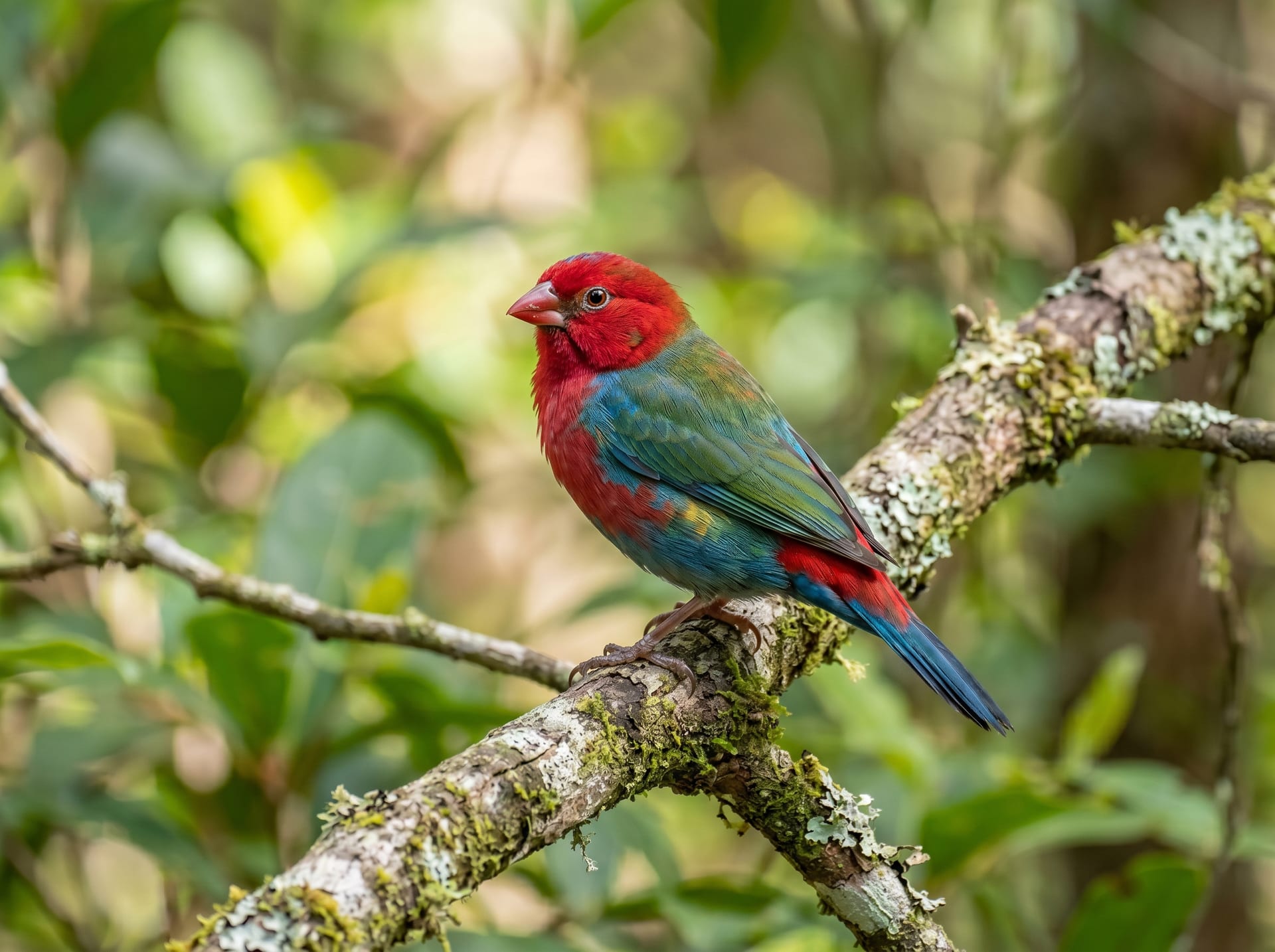
Finch
Finches are small seed-eating birds prized for their vibrant plumage and cheerful song. Rather than hand-taming, they thrive when kept in pairs or small groups where their natural social behaviors can shine. They are a good choice for beginners, though companionship plays a key role in their wellbeing.
- Price Range
- ¥210,000〜¥210,000
0% commission on your first sales!Register by September 30, 2026 and your first 2 sales are commission-free!
Breeder Wanted!
List on BreederDirect and sell directly to customers nationwide!
Six Transparency Commitments from BreederDirect
All Birds listings include complete Breeder transparency: hand-raised status, DNA sex determination, and health certification details.
- Hand-Raised
- DNA Sex-Determined
- Health Certified
- Origin Disclosed
- Color Variation Specified
- Age in Months Disclosed
Browse all 35 breeds
Care Level
Verified breeders wanted for Birds
Breeders are signing up now ahead of launch. Subscribe to be notified when new listings go live.
Getting alerts is free with a member account. When new listings match your saved search, we'll notify you by email and in-app.
Browse other categories
Verified breeders (preview)
About Finch
Finches are a broad group of small, seed-eating birds found across the globe, and popular pet species such as the zebra finch and society finch both belong to this family. The zebra finch originates from Australia and arrived in Japan in the late Edo period, while the society finch has been cherished in East Asia for centuries. Compact in size at around 10–15 cm, male finches make their presence felt through species-specific songs that fill a room with cheer. Plumage varies widely by species—white, black, chestnut, and gray—and their lively, darting movements are endlessly watchable. Highly social by nature, pairs and small groups can often be seen preening each other and engaging in spirited flight within the cage. While not suited to hands-on interaction, they are ideal for keepers who prefer observing natural bird behavior. Hardy, relatively long-lived at 5–8 years, and inexpensive to maintain, finches appeal to beginners and experienced bird keepers alike.
7 things to know before welcoming a Finch
1Keep in Pairs or Groups
Finches are highly social birds that naturally live in flocks, so keeping a single bird can lead to stress. Pairs or small groups of the same species are strongly recommended. If breeding is not intended, be mindful of the sex combination you choose.
2Cage Size Matters
Finches exercise primarily by flying horizontally, so a wide cage that allows side-to-side flight is essential. Aim for at least 60 cm in width rather than prioritizing height. Providing perches of varying thickness and material also helps maintain healthy feet.
3Not Typically Hand-Tame
Most finches do not become hand-tame and prefer not to be handled. They are best appreciated as birds to watch and listen to rather than to interact with physically. If you prioritize close physical interaction, another species may be a better fit.
4Temperature Sensitivity
Finches are sensitive to sudden temperature changes, and cold drafts can quickly affect their health. Aim to maintain a room temperature of 20–28°C and protect the cage from drafts in winter. Extra warmth is especially important for breeding birds and young chicks.
5Seed Plus Supplemental Foods
The staple diet is a mixed seed blend formulated for finches, but seeds alone may not provide complete nutrition. Supplement with leafy greens such as komatsuna or broccoli, and egg-based soft food when needed. A cuttlebone placed in the cage also provides a good source of calcium.
6Breeds Readily — Plan Ahead
Many finch species, including zebra finches and society finches, breed readily when kept in pairs and may do so unexpectedly. Plan ahead by avoiding nest boxes or choosing same-sex pairs if breeding is not desired. Also consider where additional birds will go if chicks are born.
7Relatively Quiet Singers
Finches produce soft, high-pitched calls that are generally less disruptive than parrots or other birds. However, multiple birds calling together can increase noise levels, so apartment dwellers may want to check how sound carries to neighboring units. Males tend to sing most actively during the breeding season.
Frequently asked questions about Finch
- Q.Can I keep just one finch?
- A.It is possible, but finches are flock birds and a lone individual is prone to stress and lethargy. Keeping at least a same-species pair is strongly recommended for their wellbeing.
- Q.How long do finches live?
- A.With proper care, most pet finches live around 5 to 8 years. Lifespan varies by species, individual genetics, and the quality of their living conditions.
- Q.Are finches noisy? Will neighbors complain?
- A.Finches have soft, melodic calls and are considerably quieter than parrots or larger birds. They are generally apartment-friendly, though volume does increase with the number of birds kept.
- Q.Are finches or budgerigars better for beginners?
- A.Budgerigars are better if you want an interactive, hands-on companion, while finches suit those who prefer watching natural bird behavior. Finches require less daily handling, making them a low-maintenance option—both are good choices for first-time bird keepers.
- Q.How can I prevent my finches from breeding?
- A.The simplest approach is to house birds of the same sex or to keep nesting boxes and nesting material out of the cage. Mixed-sex pairs will almost always breed if given the opportunity, so plan ahead if you do not want chicks.
Useful tools for Finch care
Finch related articles
Complete Guide to Finch Breeding | Breeding Tips for Java Sparrows, Bicheno's Finches, and Zebra Finches
Explains breeding methods for finches (Java Sparrows, Bicheno's Finches, Zebra Finches, etc.). A detailed guide covering nest box types, egg laying management, hatching, chick rearing, and environmental setup for breeding season.
Zebra Finch Breeding and Chick Rearing Guide | Practical Steps for Pairing, Egg-Laying, Hatching, and Hand-Feeding
A practical guide for successful Zebra Finch breeding. This guide covers pair selection, nest box setup, incubation management, parent-rearing of chicks, hand-feeding (hand-rearing), common failure causes, and solutions in detail.
Gouldian Finch Care Guide | Temperature Management, Air Sac Mite Prevention, and Breeding Tips
A comprehensive care guide for the Gouldian Finch (Chloebia gouldiae), often called the most beautiful bird species. Covers constant temperature maintenance above 22°C, prevention and regular medication for air sac mite infection, high-protein supplementation during breeding season, and prevention of chick rearing failure—a practical guide for long-term care of these exquisitely colored finches.
Estrildid Finch Flock Care Guide | Management and Breeding of Common Waxbills and Zebra Finches
Detailed guide to flock keeping of Estrildid finches including Common Waxbills, Zebra Finches, and Spice Finches. Covers flight cage sizing and perch placement, seed mixture and supplemental food management, quarantine procedures for introducing new birds, handling territorial disputes, and breeding procedures—all explained for beginners.
Complete Legal Guide to Pet Birds: CITES, Animal Protection Law, and Regulations for Parrots, Budgies, and Finches
A complete explanation of the laws you must understand before purchasing, selling, or breeding parrots, budgies, and other birds. This guide covers how to read the Washington Convention (CITES) appendices, sales regulations under the Animal Protection Law, import procedures, and key document verification points from both pet owner and breeder perspectives.
Complete Guide to Keeping Zebra Finches and Diamond Doves | Breeding and Flock Raising of Small Birds
Explains how to care for small finches and doves such as Zebra Finches and Diamond Doves. Covers raising methods for pairs and flocks, nestbox installation and egg management, why their quiet calls make them suitable for apartments, and detailed introduction to color mutation varieties.
More in this category
Can't find the one you're looking for?
Post your wishes for free and breeders with matching animals will contact you with introductions.