Estrildid Finch Flock Care Guide | Management and Breeding of Common Waxbills and Zebra Finches
Detailed guide to flock keeping of Estrildid finches including Common Waxbills, Zebra Finches, and Spice Finches. Covers flight cage sizing and perch placement, seed mixture and supplemental food management, quarantine procedures for introducing new birds, handling territorial disputes, and breeding procedures—all explained for beginners.
Key Takeaways
Detailed guide to flock keeping of Estrildid finches including Common Waxbills, Zebra Finches, and Spice Finches. Covers flight cage sizing and perch placement, seed mixture and supplemental food management, quarantine procedures for introducing new birds, handling territorial disputes, and breeding procedures—all explained for beginners.
Related Species
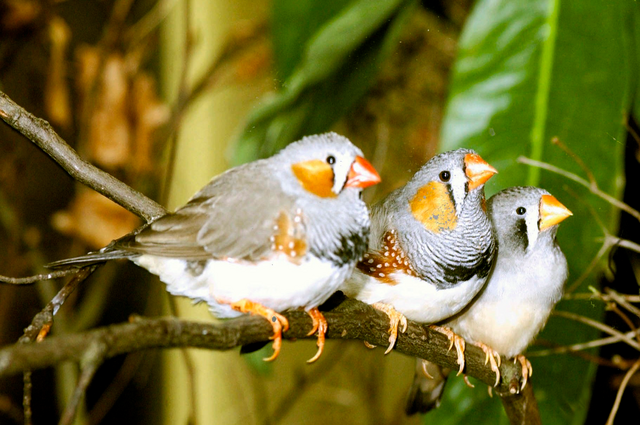
What Are Estrildid Finches?
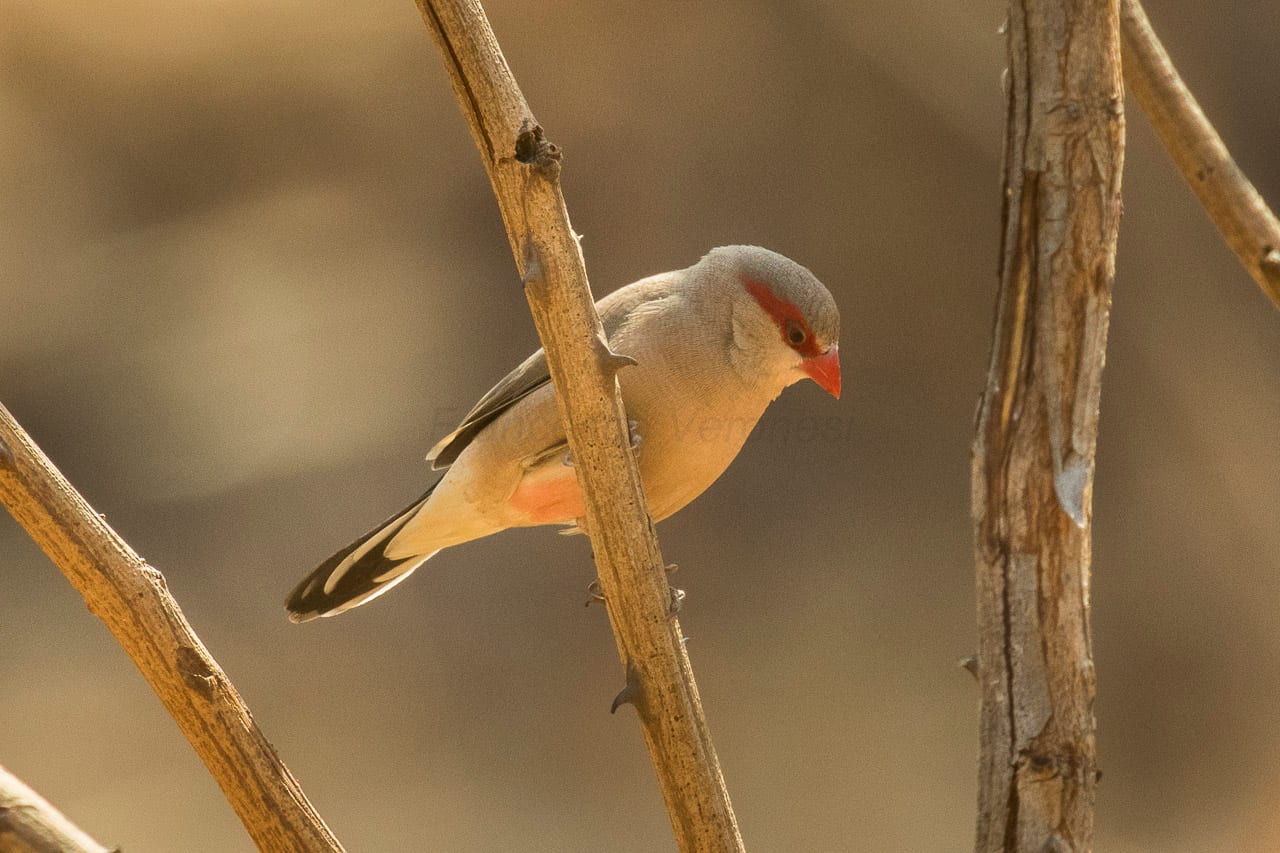
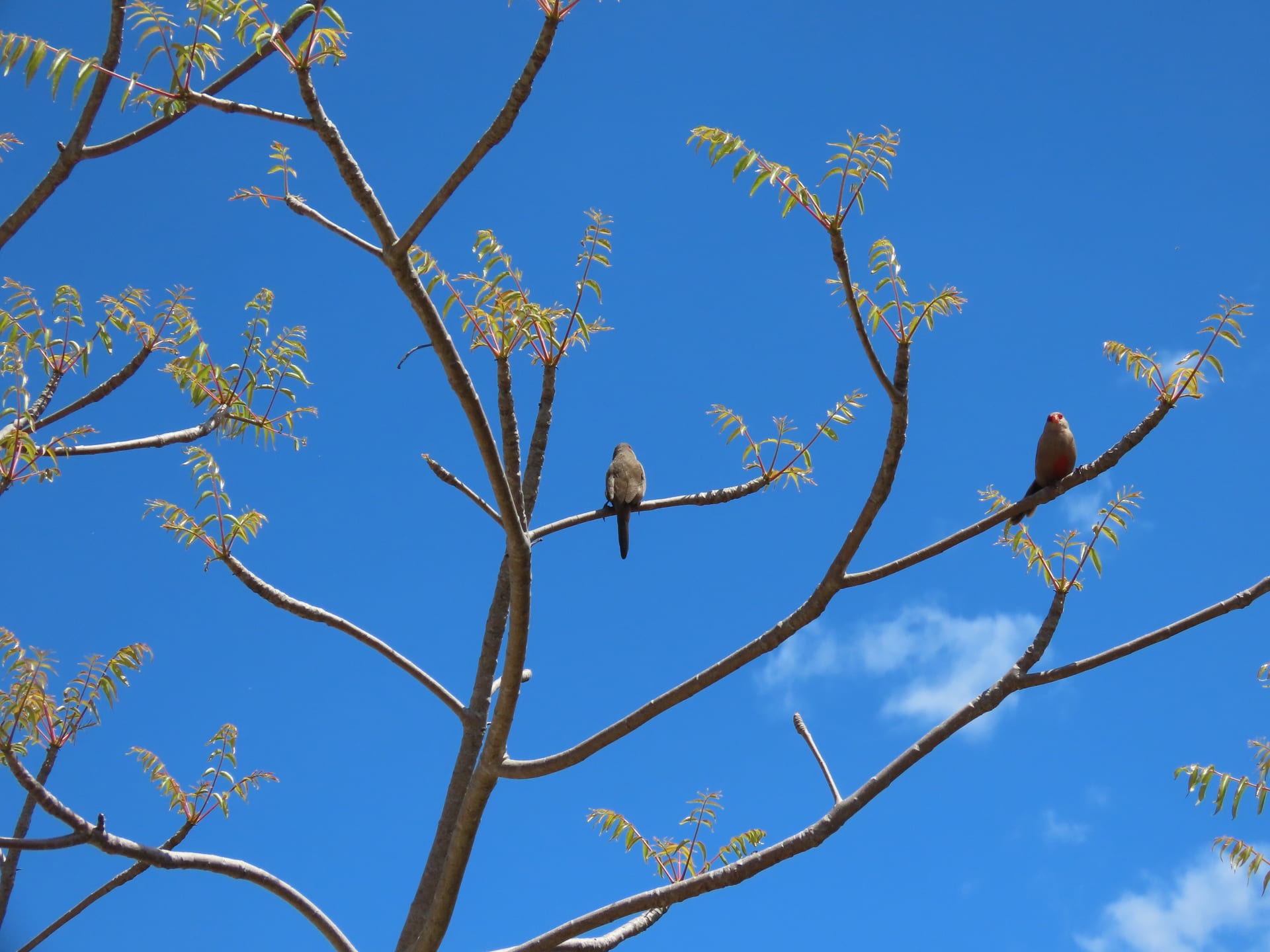
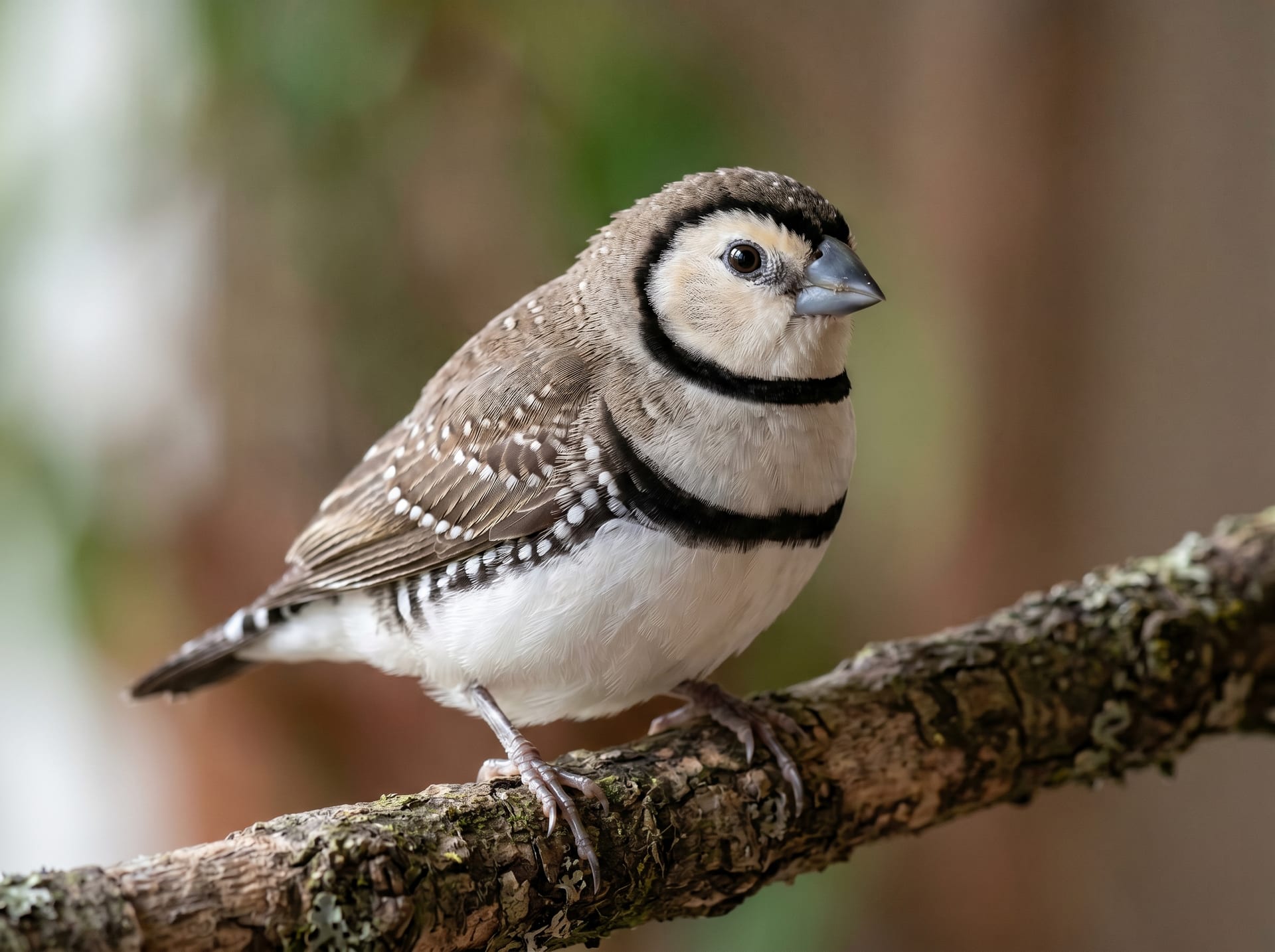
The Estrildidae family is a group of small finches primarily found in Africa, Asia, and Australia. Common species seen in Japanese pet shops include the Common Waxbill (Estrilda astrild), Zebra Finch (Taeniopygia guttata), Spice Finch (Lonchura striata), and Red-billed Firefinch (Lagonosticta senegala).
Characteristics of Estrildid Finches
- Mostly ultra-small finches measuring approximately 10–12 cm in body length
- Naturally prefer flock behavior (highly social)
- Quiet vocalizations and gentle behavior make them ideal for apartments and shared housing
- Many species build beautifully intricate nests during breeding season
Fundamentals of Flock Keeping
Finches naturally feel secure in "flocks." Solo housing not only prevents breeding but can also cause stress-related self-injury and feather plucking (feather-pecking disorder).
Basic Flock Composition Considerations
| Husbandry Scale | Recommended Composition |
|---|---|
| Pair | One same-species pair (minimum unit) |
| Small Group | 3–6 birds of same species OR 2–3 compatible mixed-species pairs |
| Flight Aviary | 10+ birds of mixed species (requires large space) |
Single Species or Mixed Species?
Single-species pairs or small groups are easiest to manage for beginners and also more stable if you aim for breeding. Mixed-species housing carries compatibility issues and hybridization risks, so start with experience before attempting it.
Setting Up Your Husbandry Environment
Choosing Your Cage or Flight Aviary
Flight is the primary form of exercise for finches. They require cages that are wide horizontally rather than tall.
| Cage Size | Recommended Capacity (approximate) |
|---|---|
| 50 cm × 40 cm × 50 cm | 2–4 birds |
| 90 cm × 45 cm × 60 cm | 6–10 birds |
| Flight Aviary (120 cm or larger) | 10–20 birds |
Wire spacing: It is critical to choose spacing small enough (10 mm or less) to prevent escape. Small Estrildid species like Common Waxbills can slip through gaps.
Perch Placement
Finches use different perches as they move about their habitat.
- Varying thicknesses: Provide both thin (8–10 mm) and thick (12–15 mm) perches
- Natural wood (willow, grapevine, etc.): Naturally conditions claws and prevents overgrowth
- High and low placement: Create a three-dimensional layout to ensure adequate flight distance
- Avoid crowded perches: Adjacent perches can trigger territorial disputes
Nest Boxes and Nesting Materials
Even if not breeding, nest-building behavior helps reduce stress in finches.
Nest Box Types
- Wooden round nest boxes (entrance diameter: 3–4 cm) are most common
- Palm fiber nests and grass nests (used by Zebra Finches and similar species)
Nesting Materials
- Dried hay, palm fiber, and sisal rope
- Do not use feathers (they promote mite infestation)
Diet Management and Nutrition
Primary Diet (Grains and Seeds)
Grains and seeds are the primary diet for finches.
Recommended Seed Mix Example
| Ingredient | Proportion |
|---|---|
| Millet (white, red, and Japanese millet mix) | 40–50% |
| Canary grass seed | 20–30% |
| Canary seed | 10–15% |
| Niger seed | 5–10% |
Commercial "finch seed mixes" are convenient, but freshness is crucial—older seeds lose nutritional value, so purchase and store in smaller quantities.
Supplemental Foods and Supplements
Greens and vegetables: Offer varieties like bok choy, Chinese cabbage, or radish greens 2–3 times weekly to supplement vitamins and minerals.
Egg food: Provide during breeding and molting seasons for protein supplementation. Commercial preparations or homemade versions with hard-boiled eggs work well.
Mineral blocks and cuttlebone: Keep available constantly for calcium supplementation. Especially important for females during breeding season.
Water Management
Finches require fresh water daily. Change water 1–2 times daily in summer and once daily in winter. Automatic waterers help maintain cleanliness.
Key Points in Flock Management
Introducing New Birds to the Flock
When adding new birds to an established flock, quarantine for 2–4 weeks is essential (especially for birds from other shops or breeders). This prevents introducing diseases like mycoplasma, avian salmonella, and coccidiosis to your flock.
Introduction Procedure
- Observe in isolation for 2–4 weeks (check appetite, droppings, and behavior for abnormalities)
- Place in separate cages in the same room for a few days (let them acclimate to each other's presence)
- If all goes well, transfer to the same cage
Managing Fights and Territorial Disputes
Even same-species birds may fight during breeding season when territorial instincts intensify.
Solutions
- Provide at least one nest box per two birds (prevents competing for nests)
- Provide hiding places (leafy plants, shelter boxes) where weaker birds can escape
- Temporarily separate birds that are repeatedly chased
Winter Care
Most Estrildid finches originate from Africa and tropical Asia, so heating is necessary in winter.
Optimal temperature: 20–25°C (maintain a minimum of 18°C)
- Install a panel heater beneath the cage
- Cover the cage with a heat cover at night (always leave ventilation openings)
Breeding Process
Finch breeding is relatively easy and occurs naturally when conditions are appropriate.
Breeding Conditions
- Healthy, mature breeding pairs
- Appropriate nest boxes and nesting materials
- Protein-rich diet (egg food, etc.)
- Quiet, low-stress environment
Timeline from Egg-Laying to Fledging (Zebra Finch Example)
| Stage | Duration (approximate) |
|---|---|
| Nest building | 1–2 weeks |
| Egg laying | 4–6 eggs |
| Incubation | Approximately 14 days |
| Hatching | All chicks hatch 2–3 days after laying is complete |
| Fledging | Approximately 21–28 days after hatching |
| Independence | 2–3 weeks after fledging |
Removing nest boxes is the most effective way to prevent overbreeding.
Estrildid finch flock keeping offers a unique charm: watching social interactions, nest building, and chick rearing up close. With proper environment setup and basic hygiene, you can enjoy a rich pet experience that even extends to successful breeding.