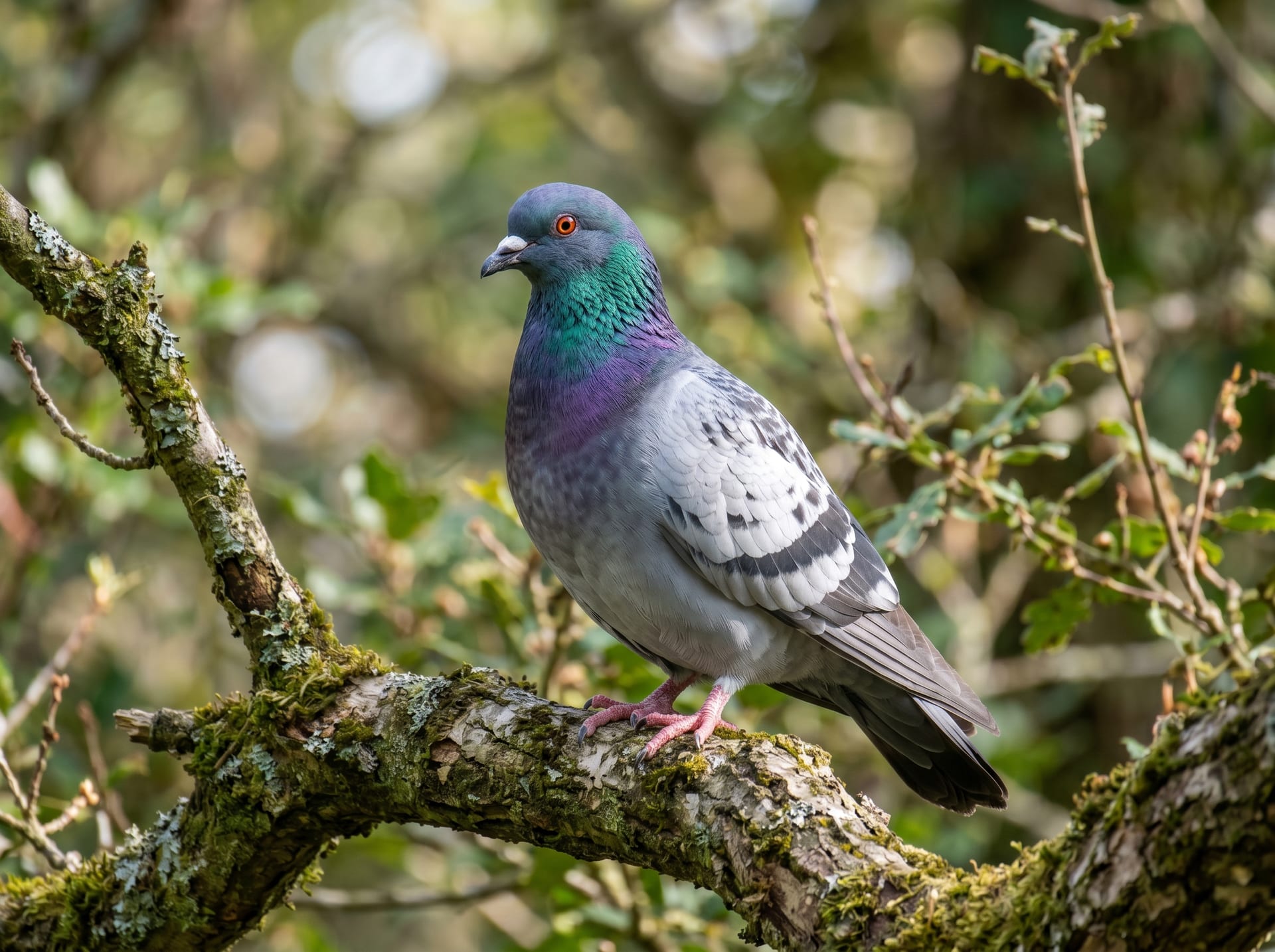
Pigeon
Pigeons and doves have shared a longer history with humans than almost any other bird, and their calm, gentle temperament makes them wonderful companions. They are relatively quiet, apartment-friendly, and can become surprisingly affectionate once they feel comfortable with you. Whether kept for show, sport, or simple companionship, these birds offer a richly rewarding experience.
View Pigeon encyclopedia →- Price Range
- ¥210,000〜¥210,000
0% commission on your first sales!Register by September 30, 2026 and your first 2 sales are commission-free!
Breeder Wanted!
List on BreederDirect and sell directly to customers nationwide!
Six Transparency Commitments from BreederDirect
All Birds listings include complete Breeder transparency: hand-raised status, DNA sex determination, and health certification details.
- Hand-Raised
- DNA Sex-Determined
- Health Certified
- Origin Disclosed
- Color Variation Specified
- Age in Months Disclosed
Browse all 35 breeds
Care Level
Verified breeders wanted for Birds
Breeders are signing up now ahead of launch. Subscribe to be notified when new listings go live.
Getting alerts is free with a member account. When new listings match your saved search, we'll notify you by email and in-app.
Browse other categories
Verified breeders (preview)
About Pigeon
Pigeons are among the oldest companion birds on earth, living alongside humans for roughly 10,000 years. Revered as sacred in ancient Mesopotamia and Egypt, they later served as wartime messengers capable of carrying life-saving messages across battle lines. Modern pet pigeons descend from the wild rock dove (Columba livia) and have been selectively bred into more than 200 recognized varieties, including racing homers, fantails, and jacobins. Body size varies enormously — from the petite diamond dove at around 20 cm to large utility breeds exceeding 50 cm. Plumage comes in an equally wide spectrum: classic grey, pure white, rich chocolate, and russet tones, with some varieties boasting dramatic fan tails or elaborate crest feathers. In temperament, pigeons are calm and non-aggressive, making them easy companions for long quiet hours together. Their strong flight instinct means they thrive with generous space and regular free-flight sessions, where their graceful, powerful flight can truly be appreciated.
6 things to know before welcoming a Pigeon
1Providing Enough Space
Pigeons need considerably more room than small cage birds — a minimum cage width of 90 cm is recommended, and daily out-of-cage flight time is ideal. Cramped conditions can lead to feather-damaging behavior caused by stress. An outdoor aviary is an excellent option if space permits.
2Thrive Best in Pairs
Pigeons are naturally social birds and can become stressed when kept alone. Housing them in pairs — regardless of gender — generally reduces vocalizations and behavioral issues. If you wish to avoid breeding, a same-sex pair is the easiest management choice.
3Simple, Grain-Based Diet
The staple diet is a commercial pigeon grain mix containing millet, milo, hemp seed, and corn. Providing crushed oyster shell or pigeon grit at all times supports digestion and calcium intake. Small amounts of leafy vegetables can supplement the diet, but balanced grain feed should remain the foundation.
4Low, Repetitive Cooing
Pigeon vocalizations are low, rhythmic coos rather than the sharp calls of parrots or finches. However, males during breeding season can coo persistently for extended periods — worth considering in shared housing. Females and neutered birds tend to be noticeably quieter.
5Dust and Hygiene Management
Pigeons produce a fine feather dust (bloom powder) that can accumulate around the cage as a white film. Daily tray cleaning and damp-wiping rather than dry-sweeping helps prevent dried droppings from becoming airborne. Those with respiratory sensitivities should consult a doctor before acquiring pigeons.
6Find an Avian Vet in Advance
Veterinarians experienced with pigeons are less common than small-animal clinics, so locating an avian or exotic-animal specialist before you bring a bird home is strongly advised. Annual health checkups including fecal examination help detect parasites and infections early. Trichomoniasis (canker) is particularly common in pigeons and warrants routine screening.
Frequently asked questions about Pigeon
- Q.Can pigeons be kept in an apartment?
- A.Pigeons can generally be kept indoors in apartments, provided you manage their cooing (especially males during breeding season) and the feather dust they produce. Regular cage cleaning and ventilation go a long way toward comfortable cohabitation. Always check your building's pet policy to confirm that birds are permitted.
- Q.How long do pet pigeons live?
- A.With proper care and regular veterinary attention, pet pigeons commonly live 15–20 years. Indoor birds generally outlive outdoor ones due to reduced exposure to predators and disease. Because of this long commitment, it is worth thinking carefully about your long-term situation before bringing one home.
- Q.Can pigeons be trained to do tricks?
- A.Pigeons are highly intelligent and can learn behaviors such as target training, spinning on command, and returning to a home point. Short, positive-reinforcement sessions using favored treats are the most effective training method. Homing pigeon training — teaching birds to return from increasing distances — is also a traditional and rewarding pursuit.
- Q.How can I prevent unwanted breeding?
- A.Housing same-sex pairs is the simplest prevention method. For mixed-sex pairs, replacing real eggs with dummy eggs (plastic replicas) immediately after laying allows the birds to complete their brooding behavior without producing offspring. Surgical sterilization by an avian veterinarian is also an option for complete reproductive control.
- Q.Can pigeons transmit diseases to humans?
- A.The risk from well-managed indoor pet pigeons is very low, but not entirely absent. Known concerns include chlamydiosis (psittacosis) and hypersensitivity pneumonitis (pigeon fancier's lung), and those who are immunocompromised should take extra precautions. Regular veterinary screening, clean cage maintenance, and good ventilation substantially reduce these risks.
Useful tools for Pigeon care
Learn more about Pigeon in the encyclopedia
View Pigeon encyclopedia entry →
Care difficulty, lifespan, size and diet — all basics covered.
Pigeon related articles
Racing Pigeons and Carrier Pigeons: A Beginner's Guide to Breeding and Racing
A guide to raising racing and carrier pigeons and understanding pigeon racing. Covers loft design, daily care, how to participate in races, and breeding for beginners.
Pigeon Keeping Guide (Rock Dove & Turtledove) | Cage, Diet, Health Management & Hand-Taming Training
A comprehensive guide to keeping pigeons including rock doves (rock pigeons), turtledoves, and diamond doves. Covers breed-specific characteristics, cage size and furnishings, grain-based diet management, health management including salmonellosis and trichomoniasis, and hand-taming training procedures—a practical guide to properly keeping pigeons as pets.
Beginner's Guide to Keeping Ornamental and Pet Pigeons | Breeds, Housing, and Breeding Tips
A comprehensive guide to keeping ornamental and pet pigeons. From selecting breeds to creating a proper housing environment, managing diet, and breeding—we've compiled all the essential tips for beginners to start confidently.
More in this category
Can't find the one you're looking for?
Post your wishes for free and breeders with matching animals will contact you with introductions.