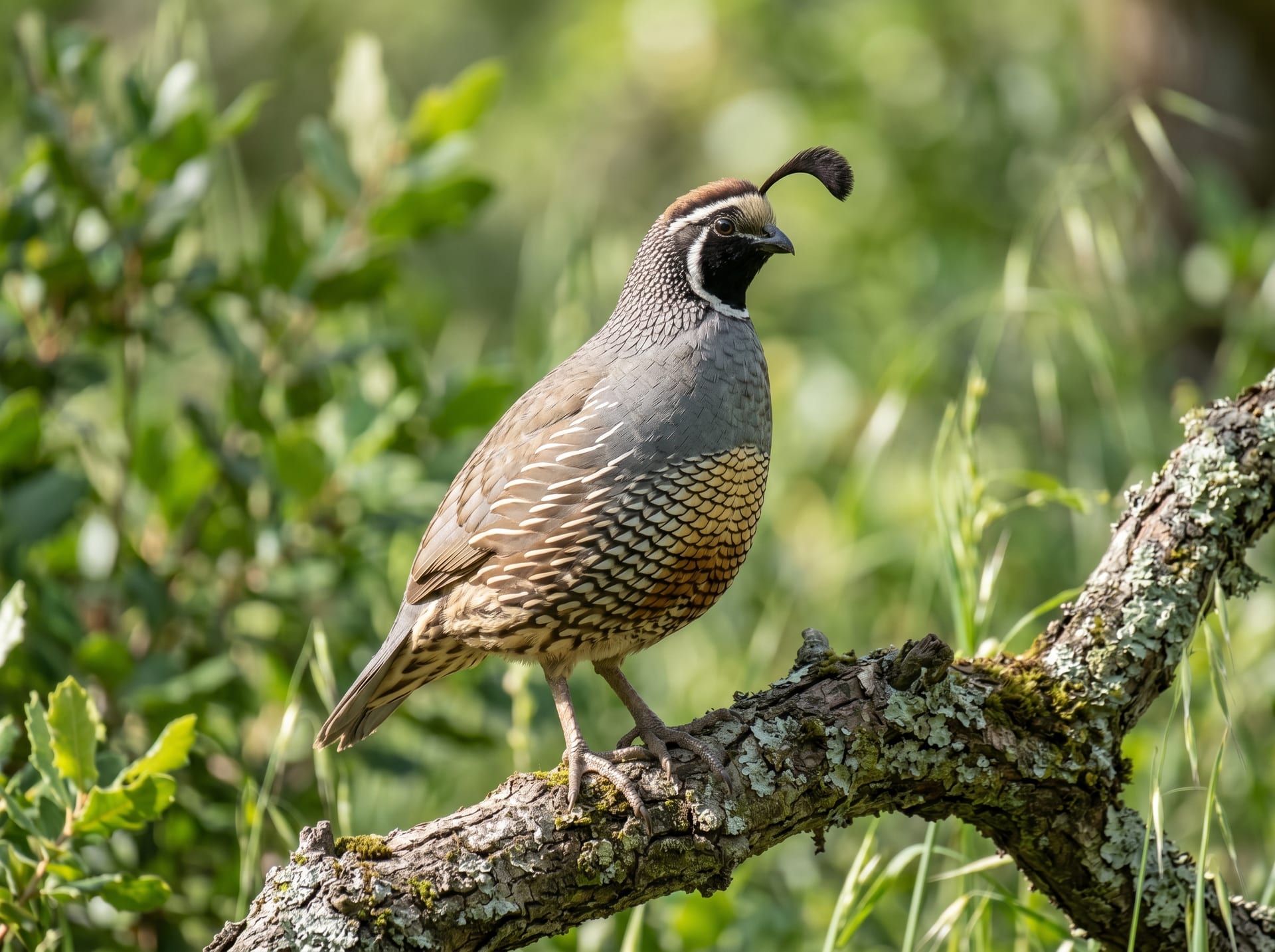
Quail
Quail are palm-sized birds known for their gentle temperament and ability to bond with their owners, making them a great choice for first-time bird keepers. Their round, charming appearance and distinctive calls are part of their appeal, and their compact size makes them well-suited for apartment living. They also lay eggs regularly, offering a unique aspect of ownership beyond simply keeping them as pets.
- Price Range
- ¥210,000〜¥210,000
0% commission on your first sales!Register by September 30, 2026 and your first 2 sales are commission-free!
Breeder Wanted!
List on BreederDirect and sell directly to customers nationwide!
Six Transparency Commitments from BreederDirect
All Birds listings include complete Breeder transparency: hand-raised status, DNA sex determination, and health certification details.
- Hand-Raised
- DNA Sex-Determined
- Health Certified
- Origin Disclosed
- Color Variation Specified
- Age in Months Disclosed
Browse all 35 breeds
Care Level
Verified breeders wanted for Birds
Breeders are signing up now ahead of launch. Subscribe to be notified when new listings go live.
Getting alerts is free with a member account. When new listings match your saved search, we'll notify you by email and in-app.
Browse other categories
Verified breeders (preview)
About Quail
The Japanese quail (Coturnix japonica) is a small member of the pheasant family with deep roots in Japanese culture, historically valued for its calls, eggs, and meat. During the Edo period it was kept as a pet by samurai and commoners alike, prized for its song. Selective breeding from the Meiji era onward produced productive laying strains, and today's pet quails come in a range of plumage colors—white, cream, and speckled patterns among them. Adults measure roughly 16–20 cm in length and weigh 100–150 g, making them one of the most space-efficient pet birds available. Their temperament is generally calm, and individuals handled frequently from a young age tend to become noticeably tame. Hens begin laying at around six to eight weeks of age and can produce 200–300 eggs per year, adding a practical dimension to keeping them that few other pet birds offer. While hardy and inexpensive to feed, quails do require careful temperature regulation and a balanced diet to stay healthy over the long term.
7 things to know before welcoming a Quail
1Ground-Level Housing Needed
Quail do not perch and prefer to walk on the ground, so a wide, low-profile enclosure is more suitable than a tall birdcage. Prioritize floor space over height when choosing their housing. A spacious, ground-level setup helps them move around naturally and stay comfortable.
2Prone to Startling Easily
Quail startle easily and may leap upward suddenly, potentially injuring themselves on a hard cage ceiling. Adding a soft padded cover to the top of their enclosure can help prevent injury. Keeping their environment calm and avoiding sudden loud noises or movements is important for their wellbeing.
3Temperature Sensitivity
Quail are sensitive to cold, especially as chicks, and require reliable heat sources during cooler months. Even adult birds can suffer from stress or illness due to sudden temperature changes. Aim to maintain a stable environment between approximately 20–28°C, using heat lamps or panel heaters as needed.
4Sand Bathing Is Essential
Quail have a natural instinct to bathe in sand or fine soil to maintain their feathers. Placing a shallow container filled with fine sand (such as chinchilla sand or akadama soil) in their enclosure allows them to engage in this behavior. Regular sand bathing also helps protect against external parasites.
5Males Can Be Noisy
Mature male quail can produce loud, distinctive calls that may be disruptive in apartment settings. Before getting a male, consider whether the noise level is acceptable in your living environment. Females are generally quieter and may be a better fit for noise-sensitive households.
6Group Housing Requires Care
Quail can be kept in groups, but males often become territorial and may fight with one another. A common setup is one male with multiple females. Always monitor new introductions closely, and be prepared to separate individuals if aggressive behavior such as pecking or chasing occurs.
7Egg Laying and Nutrition
Female quail begin laying eggs regularly once mature, which places significant demand on their calcium and protein reserves. In addition to a balanced quail feed, providing a calcium supplement such as crushed oyster shell or cuttlebone is recommended. Inadequate nutrition can lead to egg-laying complications over time.
Frequently asked questions about Quail
- Q.Can quails be kept as single birds?
- A.Single-bird keeping is possible, but quails are naturally social and can experience stress when isolated. If you are able to spend ample time interacting with the bird each day, one quail can do well; however, if you are frequently away, keeping two or more birds together is generally recommended.
- Q.How long do quails typically live?
- A.With proper care, quails generally live three to five years. Hens that lay continuously tend to have shorter lifespans due to the physical demands of egg production. Good nutrition and routine health monitoring can help extend their life expectancy.
- Q.Do hens lay eggs daily, and are the eggs edible?
- A.Healthy hens often lay approximately one egg per day, potentially exceeding 200 eggs per year under good conditions. The eggs are perfectly edible. If a male is housed with the hens, collect and refrigerate fertilized eggs promptly to maintain hygiene.
- Q.Are quails noisy birds?
- A.Hens produce soft, low-pitched calls that are rarely disruptive. Males, however, can call loudly during breeding season, which may be an issue in apartments. Many urban keepers opt for female-only groups to avoid noise concerns. Listening to audio samples before purchasing is a helpful way to set expectations.
- Q.Can quails be trained to perch on a hand?
- A.Quails do not perch on a hand the way parrots do, but with consistent, gentle handling from a young age many individuals become comfortable sitting in a cupped hand or tolerating being stroked. The key is patience—short, calm daily interactions work better than forcing contact.
Useful tools for Quail care
Quail related articles
See more Quail articles →More in this category
Can't find the one you're looking for?
Post your wishes for free and breeders with matching animals will contact you with introductions.