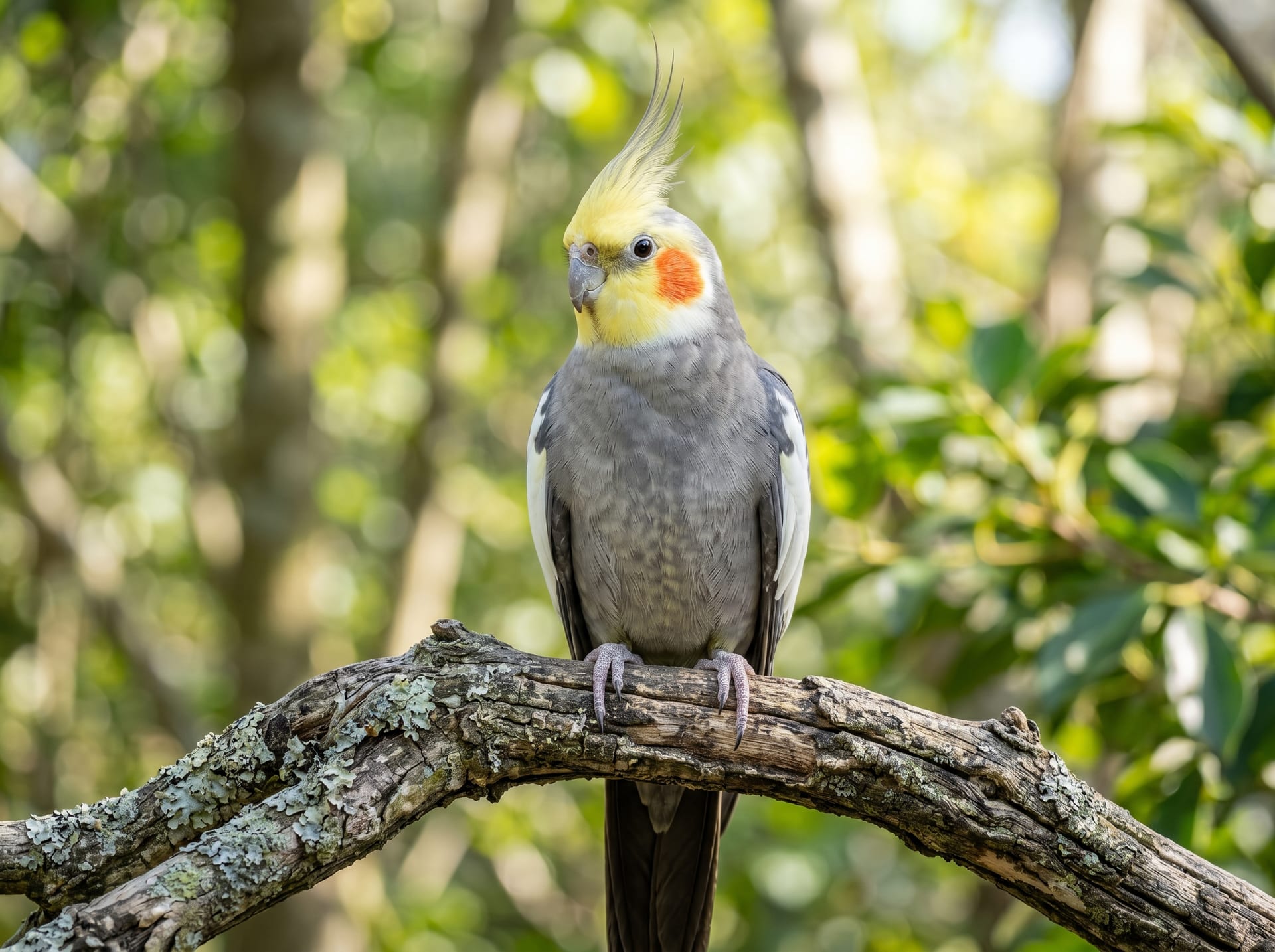
Cockatiel
Charming mid-size parrot with orange cheek patches and a crest. Gentle personality, great at whistling melodies. Bonds easily with families.
View Cockatiel encyclopedia →- Price Range
- ¥210,000〜¥210,000
0% commission on your first sales!Register by September 30, 2026 and your first 2 sales are commission-free!
Breeder Wanted!
List on BreederDirect and sell directly to customers nationwide!
Six Transparency Commitments from BreederDirect
All Birds listings include complete Breeder transparency: hand-raised status, DNA sex determination, and health certification details.
- Hand-Raised
- DNA Sex-Determined
- Health Certified
- Origin Disclosed
- Color Variation Specified
- Age in Months Disclosed
Browse all 35 breeds
Care Level
Verified breeders wanted for Birds
Breeders are signing up now ahead of launch. Subscribe to be notified when new listings go live.
Getting alerts is free with a member account. When new listings match your saved search, we'll notify you by email and in-app.
Browse other categories
Verified breeders (preview)
Cockatiel key facts
- Care level
- Beginner-friendly
- Lifespan
- 15-25 years
- Size
- 30-33cm
- Temperature
- 20〜30℃
- Diet
- Seeds + pellets + vegetables
- Cage
- 45cm+ wide. Needs height clearance for crest
- Temperament
- Gentle but can be skittish. Avoid loud noises and sudden movements
- Vocalization
- Great whistlers. Contact calls can be loud
- Notes
- Prone to night frights. A nightlight helps prevent panic
About Cockatiel
The cockatiel is a medium-sized parrot native to Australia, belonging to the family Cacatuidae. It was introduced to Europe in the late 18th century and has since become one of the most popular pet birds worldwide. In the wild, cockatiels live in flocks across arid grasslands and scrublands, making them naturally social creatures. Their most recognizable features are the expressive crest on their head and the bright orange cheek patches, which shift in position to reflect the bird's mood. Adults measure around 30 to 33 cm in length, and selective breeding has produced a wide range of color mutations including lutino, pied, and pearl. Cockatiels are generally gentle and slow to anger, making them well-suited for first-time bird owners who take the time to build trust. They excel at mimicking whistles and short melodies, and with daily interaction, they form deep bonds with their caregivers.
5 things to know before welcoming a Cockatiel
1Cage Size Matters
Cockatiels need a roomy cage where they can spread their wings freely — aim for at least 60 cm wide and deep with ample height. Providing multiple horizontal perches at different levels helps keep them active and engaged.
2Feather Dust Is Significant
Cockatiels produce a significant amount of fine feather dust, which can affect people with allergies or asthma. Regular ventilation and an air purifier near the cage are strongly recommended. Daily cleaning of the cage area helps maintain a comfortable environment.
3Regular Vet Checkups Needed
Cockatiels instinctively hide signs of illness, so problems can go unnoticed until they become serious. Annual or semi-annual checkups with an avian veterinarian help catch health issues early. It is wise to locate a bird-specialist vet near you before you actually need one.
4Avoid an All-Seed Diet
A diet of seeds alone is high in fat and lacks essential nutrients, which can affect long-term health. A balanced diet with quality pellets as the staple, supplemented by fresh vegetables and occasional fruit, is widely recommended. Introducing a variety of foods from a young age makes dietary transitions much easier later on.
5Understand the Costs Upfront
Cockatiel prices vary depending on color mutation and lineage, generally ranging from a few thousand to tens of thousands of yen. First-year costs are higher when you factor in a quality cage, heating equipment, pellets, and veterinary visits. Since cockatiels can live 15 to 20 years or more, planning for long-term ongoing expenses is an important part of responsible ownership.
Frequently asked questions about Cockatiel
- Q.Can cockatiels be kept alone?
- A.Cockatiels can be kept alone, but it requires the owner to provide consistent daily interaction. Without enough social contact, they can become stressed and develop behavioral issues. Set aside time every day to talk to and handle your bird.
- Q.How long do cockatiels live?
- A.With proper care, cockatiels can live 15 to 20 years, making them a long-term commitment. It is important to consider whether you can provide for the bird throughout its life before getting one. Regular health checkups and a balanced diet contribute to a longer lifespan.
- Q.Are cockatiels noisy?
- A.Cockatiels are relatively quiet compared to many other parrots, though they may call out in the morning and evening. Many owners keep them in apartments, but sound transmission varies by building. Keeping them in a well-insulated room helps minimize noise concerns.
- Q.What should cockatiels eat?
- A.The main diet should consist of pellets or seeds such as millet and Japanese millet, supplemented with small amounts of vegetables like komatsuna or broccoli. Never feed avocado, chocolate, or onion-family vegetables as they are toxic. Fresh water should be provided and changed daily.
- Q.What are the benefits of getting one from a breeder?
- A.Purchasing from a breeder allows you to learn about the parents' health history and the environment in which the bird was raised. Many breeders hand-raise chicks from an early age, resulting in birds that are already comfortable with people. You can also discuss color and gender preferences and receive ongoing care advice.
Useful tools for Cockatiel care
Learn more about Cockatiel in the encyclopedia
View Cockatiel encyclopedia entry →
Care difficulty, lifespan, size and diet — all basics covered.
Cockatiel related articles
Cockatiel Color Variations (Mutations & Morphs) Complete Guide | Normal Gray, Lutino, Pearl, Cinnamon, White Face
This guide explains how to distinguish cockatiel color mutations (morphs) without photos. We cover the characteristics of major colors including Lutino, Pearl, Cinnamon, White Face, and Pied, plus the mechanics of Z-linked (sex-linked) inheritance based on birds' ZW sex chromosomes, and breeding strategies to achieve target colors—all tailored for breeders.
Complete Guide to Nest Box Types, Selection, and Breeding Setup | For Parakeets, Java Sparrows, and Cockatiels
A detailed guide to the types of nest boxes needed for breeding parakeets, Java sparrows, cockatiels and similar birds, how to choose them, installation methods, and breeding setup procedures. We also cover management tips before and after egg-laying and how to prepare the environment for chick rearing.
Cockatiel vs Lovebird | Small Parrot Beginner's Breeding & Care Comparison Guide
A comprehensive comparison of Cockatiels and Lovebirds (including Peach-faced Lovebirds) - two popular small parrots for beginners - across personality, vocalizations, tameness, and breeding costs. Learn the decision criteria for choosing the right species for you.
Parrot & Macaw Species Comparison: Talking Ability and Training Steps
Comparing the speaking ability of popular species such as African Grey Parrots, Budgerigars, Cockatiels, and Amazon Parrots. We explain effective steps for speech training, from building trust to mastering single words and contextual learning.
Cockatiel Complete Training Guide | Hand Training, Music, and Step-Up Training Methods
Detailed explanation of Cockatiel hand training, teaching whistling, and step-up training basics. We also cover daily care and health management tips.
Parrot and Parakeet Breeding Season Management Guide | Causes and Solutions for Excessive Breeding
Behavioral changes that occur during breeding season in popular parakeets such as Budgerigars and Cockatiels, and an explanation of the causes and countermeasures for problematic "excessive breeding." This guide introduces daily management practices and environmental adjustment tips to prevent issues such as egg-laying, aggression, and feather damage.
More in this category
Can't find the one you're looking for?
Post your wishes for free and breeders with matching animals will contact you with introductions.