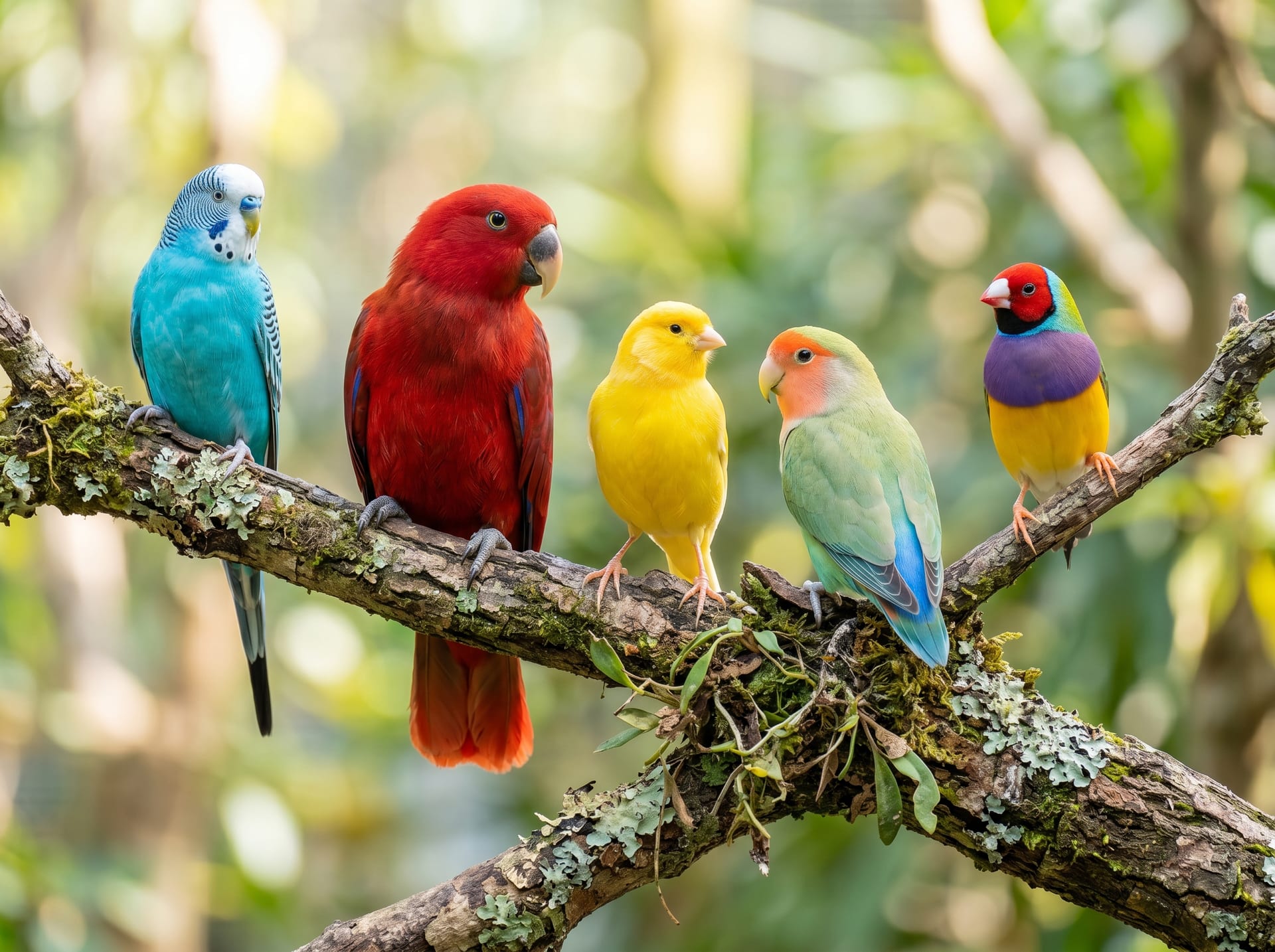
Other Birds
The "other birds" category includes a wide variety of species such as finches, canaries, pigeons, and quails beyond the most common pet birds. Since temperament, vocalizations, and care requirements vary greatly by species, it is important to research each bird's specific needs before bringing one home. Finding a care style that suits your bird's unique traits will lead to a long and rewarding relationship.
- Price Range
- ¥210,000〜¥210,000
0% commission on your first sales!Register by September 30, 2026 and your first 2 sales are commission-free!
Breeder Wanted!
List on BreederDirect and sell directly to customers nationwide!
Six Transparency Commitments from BreederDirect
All Birds listings include complete Breeder transparency: hand-raised status, DNA sex determination, and health certification details.
- Hand-Raised
- DNA Sex-Determined
- Health Certified
- Origin Disclosed
- Color Variation Specified
- Age in Months Disclosed
Browse all 35 breeds
Care Level
Verified breeders wanted for Birds
Breeders are signing up now ahead of launch. Subscribe to be notified when new listings go live.
Getting alerts is free with a member account. When new listings match your saved search, we'll notify you by email and in-app.
Browse other categories
Verified breeders (preview)
About Other Birds
The "Other Birds" category encompasses a diverse array of pet birds beyond the familiar parrots and cockatiels. Finches are found across Africa, Asia, and Australia, with species like the Java sparrow and zebra finch enjoyed as pets in Japan for centuries. Canaries originated from wild birds on the Canary Islands and were brought to Europe in the 15th and 16th centuries, where selective breeding over hundreds of years produced the melodious singers and colorful varieties known today. Quail, members of the pheasant family, have a long history as livestock birds prized for meat and eggs, though they are increasingly kept as pets. These birds vary widely in appearance and size, from tiny finches measuring around 10 cm to pigeons exceeding 30 cm in length. In terms of personality, canaries delight with their song, finches captivate with visual beauty, and quail offer a calm, grounded presence. Most species in this category are best appreciated through observation rather than hands-on interaction, offering the quiet pleasure of watching natural behaviors unfold in a well-designed aviary or cage.
7 things to know before welcoming a Other Birds
1Each Species Is Unique
Finches are social birds that prefer company, canaries are kept mainly for their song, and quails spend most of their time on the ground — each species has fundamentally different instincts. Never assume all birds are the same; researching the specific habits of your chosen species is the first step to successful care.
2Right Cage Size Matters
Even small finches need wide horizontal space for flight, quails require ample floor area, and pigeons need large cages — the ideal cage shape and size depend on the species. It is recommended to prepare the cage and confirm your installation space before bringing your bird home.
3Noise Level and Frequency
Male canaries sing for extended periods during breeding season, and quails can call loudly in the early morning. Depending on your living situation or proximity to neighbors, some species may be difficult to keep, so check the vocal characteristics of your chosen species in advance.
4Pair Keeping Needs
Finches are prone to stress when kept alone and are generally recommended to be kept in pairs or small groups. On the other hand, male canaries are territorial and should be housed individually. Plan the number of birds you keep according to the social nature of the species.
5Diet Varies by Species
Finches and canaries thrive on small mixed seeds as a base, with vegetables and supplements recommended as additions. Quails rely mainly on formulated pellets and also require animal protein. Feeding a diet appropriate to your species is the foundation of good health.
6Temperature and Humidity
Finches of tropical origin are sensitive to cold and require supplemental heating in winter. Quails are relatively cold-tolerant, but temperature management is especially critical during the juvenile stage. Use the climate of your species' native region as a guide when setting up your care environment.
7Find an Avian Vet First
Veterinarians experienced with finches, quails, and other specialty birds are limited, and general animal clinics may not be equipped to treat them. Search for an avian-specialized or exotic-animal vet in your area before bringing your bird home so you are prepared in case of illness.
Frequently asked questions about Other Birds
- Q.Can finches and canaries be kept together?
- A.Keeping finches and canaries together is generally not recommended. Their dietary needs differ, and canaries' territorial nature can cause stress for both species. Housing them in separate cages is the safest approach.
- Q.Are quail easy to keep as pets?
- A.Quail are fairly hardy and manageable, but their ground-dwelling nature requires adequate floor space, and males crow loudly. Check your living situation and any local regulations before keeping quail in an apartment or urban setting.
- Q.Can canaries be tamed to perch on your hand?
- A.Canaries are generally appreciated for their song and visual beauty rather than hands-on interaction. Some individuals tamed from a young age may perch on a hand, but they are not typically as interactive as parrots or budgies.
- Q.What is the average lifespan of these birds?
- A.Lifespans vary widely by species. Canaries typically live 8–10 years, small finches around 5–7 years, and quail approximately 2–4 years depending on husbandry. Proper nutrition and a stress-free environment are key factors in longevity.
- Q.Which species is best for beginners?
- A.Small finches such as Java sparrows and zebra finches are among the more beginner-friendly options. However, care difficulty varies greatly across species in this category, so consulting species-specific care guides or an experienced breeder before purchasing is always advisable.
Useful tools for Other Birds care
More in this category
Can't find the one you're looking for?
Post your wishes for free and breeders with matching animals will contact you with introductions.