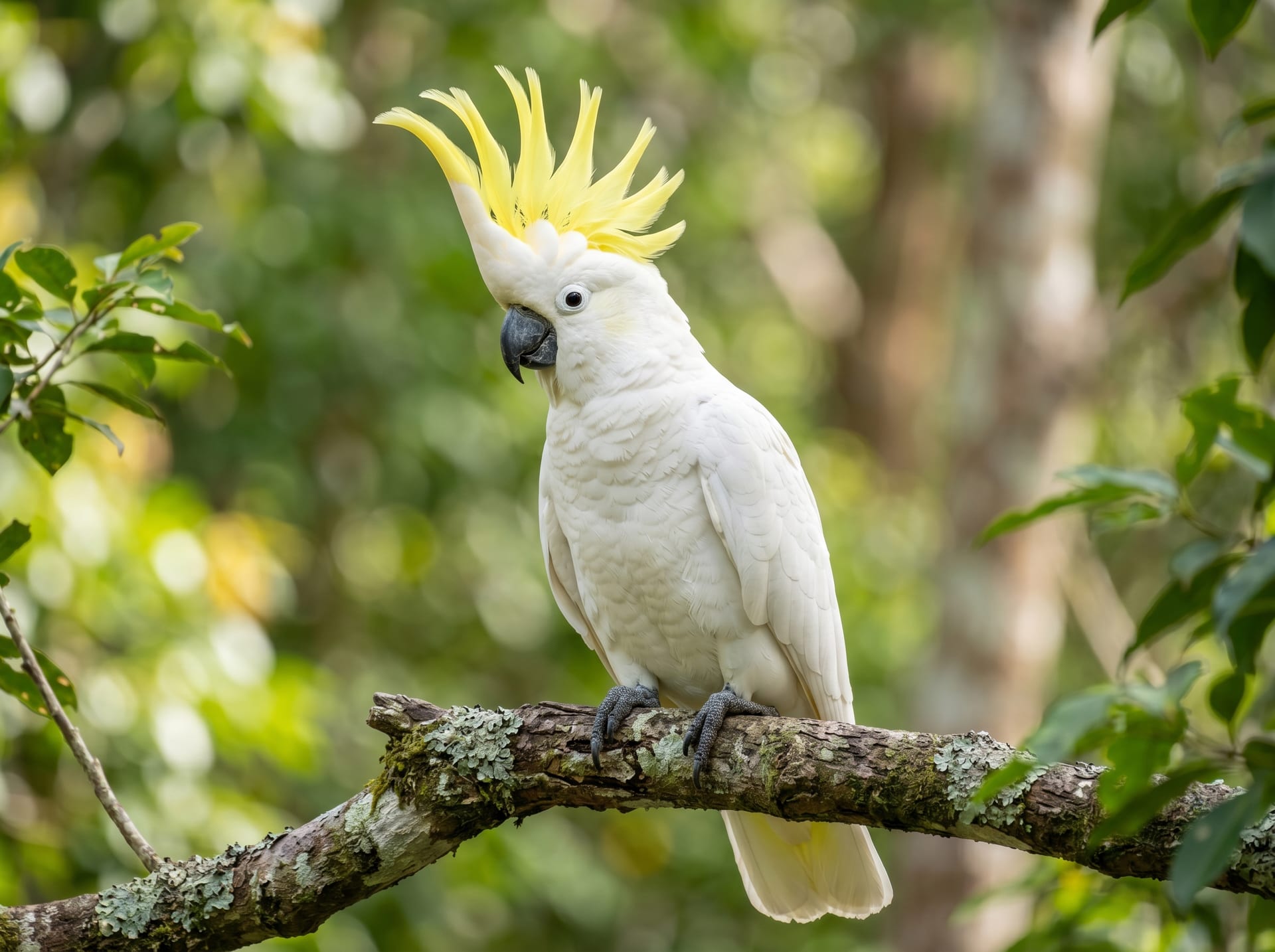
White Cockatoo (Sulphur-crested / Umbrella)
Cockatoos such as the Sulphur-crested and Umbrella Cockatoo are large, white parrots native to Australia and Indonesia, recognized by their striking crests and snow-white plumage. Highly intelligent and deeply emotional, they form strong bonds with their owners and are often called "eternal toddlers" of the bird world.
View White Cockatoo (Sulphur-crested / Umbrella) encyclopedia →- Price Range
- ¥210,000〜¥210,000
0% commission on your first sales!Register by September 30, 2026 and your first 2 sales are commission-free!
Breeder Wanted!
List on BreederDirect and sell directly to customers nationwide!
Six Transparency Commitments from BreederDirect
All Birds listings include complete Breeder transparency: hand-raised status, DNA sex determination, and health certification details.
- Hand-Raised
- DNA Sex-Determined
- Health Certified
- Origin Disclosed
- Color Variation Specified
- Age in Months Disclosed
Browse all 35 breeds
Care Level
Verified breeders wanted for Birds
Breeders are signing up now ahead of launch. Subscribe to be notified when new listings go live.
Getting alerts is free with a member account. When new listings match your saved search, we'll notify you by email and in-app.
Browse other categories
Verified breeders (preview)
White Cockatoo (Sulphur-crested / Umbrella) key facts
- Care level
- Advanced
- Lifespan
- 40-70 years
- Size
- 40-50cm
- Diet
- Pellet-based diet with vegetables and fruit; limited oil seeds
- Cage
- Large, sturdy cage; very powerful beak
- Diet
- Pellet-based + veg/fruit; limit fatty seeds
- Taming
- Highly social; needs daily interaction and out-of-cage time
- Notes
- Loud calls and separation anxiety; a 40-70yr commitment
About White Cockatoo (Sulphur-crested / Umbrella)
The Sulphur-crested Cockatoo (Cacatua galerita) is native to Australia and New Guinea, recognized by its vivid yellow crest and gleaming white plumage. The Umbrella Cockatoo (Cacatua alba) originates from the northern Maluku Islands of Indonesia and is distinguished by its pure white, fan-shaped crest that raises when excited or startled. In the wild, both species live in large, noisy flocks with complex social hierarchies. In captivity, they readily transfer this social need onto their human caretakers, actively seeking physical contact and vocal interaction. Their intelligence is often compared to that of a 5–6-year-old child; many individuals learn to mimic speech, respond to their name, and solve simple puzzles. However, this sensitivity is a double-edged trait: boredom, neglect, or inconsistent routine can trigger feather destruction or excessive screaming. Given adequate enrichment, daily engagement, and patient handling, these birds become extraordinary lifelong companions full of personality and warmth.
7 things to know before welcoming a White Cockatoo (Sulphur-crested / Umbrella)
1Lifespan of 40–80 Years
Sulphur-crested Cockatoos typically live 40–60 years, while Umbrella Cockatoos can reach 50–80 years. Welcoming one means committing to a lifelong partnership, so consider how major life changes like moving, career shifts, or starting a family will affect your care capacity.
2Extremely Loud Vocalizations
Cockatoos are among the loudest of all parrots, often screaming at dawn and dusk. Their calls can exceed 100 dB, making them unsuitable for apartments or densely packed neighborhoods without significant soundproofing measures.
3Social Nature and Separation Anxiety
Cockatoos are intensely social and can develop severe separation anxiety when left alone for long periods. Without daily interaction and out-of-cage time, they may resort to feather-destructive behavior (feather plucking), which can be difficult to treat once established.
4Large Cage and Space Requirements
These large birds require a cage of at least 90 cm wide × 60 cm deep × 120 cm tall. A dedicated, bird-safe room or play area outside the cage is also essential, as they need space to fly, climb, and chew to stay mentally and physically healthy.
5Powerful Beak Hazards
A cockatoo's beak can crack macadamia nuts and splinter hard wood effortlessly. During free-flight time, remove electrical cords, toxic plants, and valuables. Providing a generous supply of chew toys—hardwood blocks, leather strips—helps redirect this natural behavior.
6Initial and Ongoing Costs
Sulphur-crested Cockatoos typically cost ¥300,000–¥600,000 in Japan, while Umbrella Cockatoos range from ¥500,000–¥1,000,000. Annual ongoing costs including food, toys, cage maintenance, and vet check-ups can reach ¥100,000–¥200,000, so financial planning is essential.
7Find an Avian Vet in Advance
Cockatoos are susceptible to psittacosis (chlamydiosis), aspergillosis, and other avian-specific conditions requiring specialist knowledge. Before bringing one home, locate an avian veterinarian within a reasonable distance and schedule an initial health check-up.
Frequently asked questions about White Cockatoo (Sulphur-crested / Umbrella)
- Q.What is the difference between a Sulphur-crested and Umbrella Cockatoo?
- A.Sulphur-crested Cockatoos have yellow crests and tend to be more active and vocal, while Umbrella Cockatoos have white crests and are often described as more cuddly and demanding of physical affection. Both share the same key care challenges—long lifespan, loud vocalizations, and high social needs—so individual personality assessment matters more than breed alone.
- Q.Can I keep a cockatoo if I live alone?
- A.It is possible, but the key question is whether you can spend several hours daily interacting with your bird. Cockatoos left alone for long workdays frequently develop separation anxiety and destructive behaviors. They tend to suit people who work from home or have flexible schedules; keeping a second bird can help but may reduce bonding with humans.
- Q.Can cockatoos be taught to talk?
- A.Talking ability varies greatly between individuals. Sulphur-crested and Umbrella Cockatoos are generally considered less adept at mimicking speech than African Greys or Macaws, though many do learn short words and phrases. Their real communicative strength lies in their expressive vocalizations and body language rather than vocabulary size.
- Q.Why do cockatoos pluck their feathers?
- A.Feather plucking is most commonly triggered by boredom, loneliness, stress, skin disease, or nutritional deficiencies. Once the behavior becomes habitual it is notoriously difficult to reverse, so prevention through environmental enrichment—rotating toys, daily out-of-cage time, and consistent social interaction—is far more effective than treatment after the fact. Consult an avian vet promptly if you notice it.
- Q.What should I feed my cockatoo?
- A.A high-quality formulated pellet should form the dietary base, supplemented with fresh vegetables such as komatsuna, bok choy, and carrots, plus small amounts of fruit. Seeds like sunflower seeds are high in fat and should be given sparingly. Never offer avocado, chocolate, onions, caffeine, or alcohol, as these are toxic to cockatoos.
Useful tools for White Cockatoo (Sulphur-crested / Umbrella) care
Learn more about White Cockatoo (Sulphur-crested / Umbrella) in the encyclopedia
View White Cockatoo (Sulphur-crested / Umbrella) encyclopedia entry →
Care difficulty, lifespan, size and diet — all basics covered.
More in this category
Can't find the one you're looking for?
Post your wishes for free and breeders with matching animals will contact you with introductions.