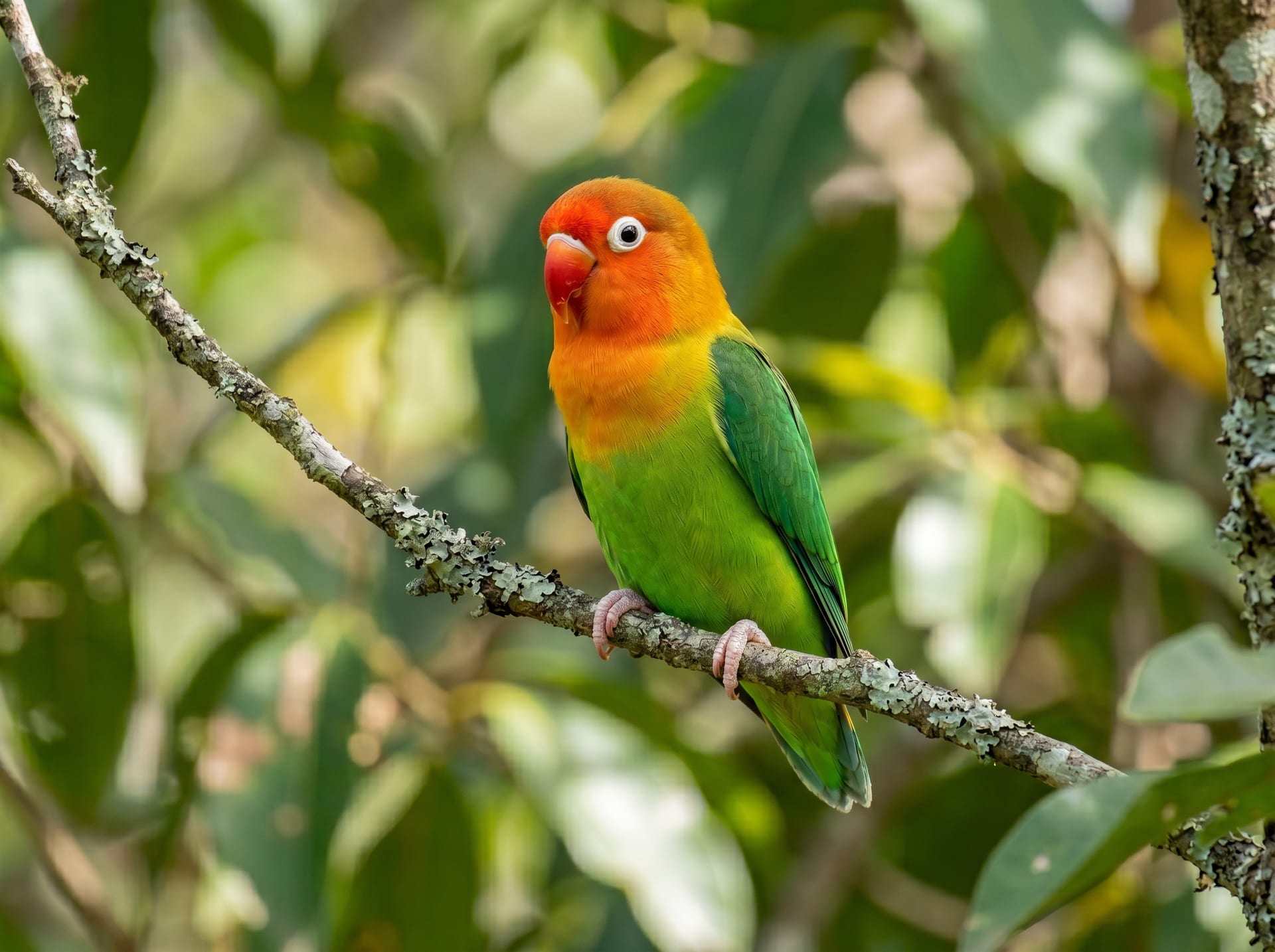
Fischer's Lovebird
The Lovebird is a small parrot native to Africa, recognized for its round, charming face and vivid plumage. Curious and energetic by nature, Lovebirds bond closely with their owners while also maintaining a strong independent streak, making them enjoyable whether kept alone or in pairs. Despite their compact size, they have a big personality that appeals to beginners and experienced bird keepers alike.
View Fischer's Lovebird encyclopedia →- Price Range
- ¥210,000〜¥210,000
0% commission on your first sales!Register by September 30, 2026 and your first 2 sales are commission-free!
Breeder Wanted!
List on BreederDirect and sell directly to customers nationwide!
Six Transparency Commitments from BreederDirect
All Birds listings include complete Breeder transparency: hand-raised status, DNA sex determination, and health certification details.
- Hand-Raised
- DNA Sex-Determined
- Health Certified
- Origin Disclosed
- Color Variation Specified
- Age in Months Disclosed
Browse all 35 breeds
Care Level
Verified breeders wanted for Birds
Breeders are signing up now ahead of launch. Subscribe to be notified when new listings go live.
Getting alerts is free with a member account. When new listings match your saved search, we'll notify you by email and in-app.
Browse other categories
Verified breeders (preview)
Fischer's Lovebird key facts
- Care level
- Beginner-friendly
- Lifespan
- 10-15 years
- Size
- 14-15cm
- Temperature
- 20〜30℃
- Humidity
- 40〜60%
- Diet
- Seeds, pellets, vegetables, fruits
- Cage
- 35cm+. Provide chew toys
- Temperament
- Pairs show affectionate bonded behavior
- Color
- Many color varieties including blue and green
- Notes
- Avoid hybridizing with Peach-faced Lovebirds
About Fischer's Lovebird
The Lovebird belongs to the genus Agapornis, comprising nine species native to Africa, and is widely kept as a companion bird in Japan alongside the closely related Rosy-faced Lovebird. In the wild, Lovebirds live in flocks and form intensely loyal pair bonds, which gave rise to their endearing English name. Measuring roughly 13–17 cm, they are small but striking, available in a wide array of color mutations including green, blue, lutino, and violet. Their personalities are energetic and inquisitive; with patient handling from a young age they can become affectionate companions, though their strong territorial instinct and firm bite are worth noting. Lovebirds are generally hardy, but long-term health depends on a balanced diet and regular social interaction. With an average lifespan of 10–15 years, they offer a long and rewarding relationship for dedicated owners.
7 things to know before welcoming a Fischer's Lovebird
1Bigger Cage Is Better
Lovebirds are highly active and need a cage large enough for them to move and flap freely. Aim for a minimum width of 45 cm and provide multiple perches at different heights. A cramped cage can lead to stress behaviors such as feather plucking.
2Solo vs. Pair Housing
Keeping a Lovebird alone tends to strengthen its bond with the owner and makes taming easier. Pairs bond strongly with each other and may show less interest in human interaction. Choose based on your goal, but either way, regular interaction and playtime are essential.
3Sensitive to Temperature
Lovebirds are sensitive to sudden temperature changes; the ideal range is roughly 20–28°C. In winter, use a heat lamp or panel heater for warmth, and avoid direct sunlight or cold drafts from air conditioning in summer. A bird sitting fluffed up and still is often a sign of illness.
4Beak and Nail Care
A Lovebird's beak is naturally worn down by chewing, but nails require regular trimming. Overgrown nails can catch on perches and cause injuries. If you are not comfortable trimming them yourself, a vet or specialist bird shop can do it safely.
5Strong Territorial Instinct
Lovebirds have a notably strong territorial instinct and may aggressively confront other birds, even other Lovebirds. When introducing a new bird, allow ample space and a gradual introduction period. If they are incompatible, keep them in separate cages.
6Pellet-Based Diet Is Ideal
A seed-only diet is high in fat and leads to nutritional imbalance over time. A pellet-based diet supplemented with fresh vegetables such as komatsuna and bok choy is ideal. Never feed avocado, chocolate, or onion, as these are toxic to Lovebirds.
7Estimated Initial Costs
The purchase price of a Lovebird varies by mutation and color, typically ranging from around 5,000 to 30,000 yen. Initial supplies such as a cage, food dishes, perches, and a heat source add another 10,000–20,000 yen. Budget also for annual wellness check-ups and potential veterinary costs.
Frequently asked questions about Fischer's Lovebird
- Q.Can Lovebirds be kept alone?
- A.Yes, a single Lovebird can thrive on its own and often bonds more closely with its owner when kept alone. However, they are social by nature, so daily interaction and out-of-cage playtime are important to keep them mentally healthy.
- Q.Are Lovebirds loud?
- A.Lovebirds are moderately vocal — not as loud as large parrots, but they do call frequently, especially in the morning and evening. If you live in an apartment, some soundproofing measures may be worth considering.
- Q.How long do Lovebirds live?
- A.With proper care and a balanced diet, Lovebirds typically live 10–15 years. Regular veterinary check-ups and a nutritious diet are the most important factors in supporting a long, healthy life.
- Q.Can Lovebirds talk?
- A.Lovebirds rarely mimic human speech and have a lower capacity for language learning compared to budgerigars or larger parrots. They communicate through their own vocalizations and may learn to imitate simple whistled tunes instead.
- Q.Can Lovebirds be housed with other parrot species?
- A.Lovebirds have a strong territorial instinct and may attack other parrot species if housed together, so separate cages are generally recommended. Gradual introduction through cage bars is possible, but direct contact should be supervised carefully.
Useful tools for Fischer's Lovebird care
Learn more about Fischer's Lovebird in the encyclopedia
View Fischer's Lovebird encyclopedia entry →
Care difficulty, lifespan, size and diet — all basics covered.
Fischer's Lovebird related articles
Breeding Guide for Rosy-faced Lovebirds and Fischer's Lovebirds: Nest Boxes, Egg-laying, and Chick Rearing
A detailed guide to breeding Rosy-faced Lovebirds and Fischer's Lovebirds. Covers breeding age requirements, choosing nest boxes, managing egg-laying through hatching, and chick-rearing techniques (hand-feeding).
Lovebird (Fischer's Lovebird & Rosy-faced Lovebird) Pairing Guide
Explains lovebird pairing methods. Introduces how to determine compatibility, sex identification, signs of pair bonding, and important precautions.
More in this category
Can't find the one you're looking for?
Post your wishes for free and breeders with matching animals will contact you with introductions.