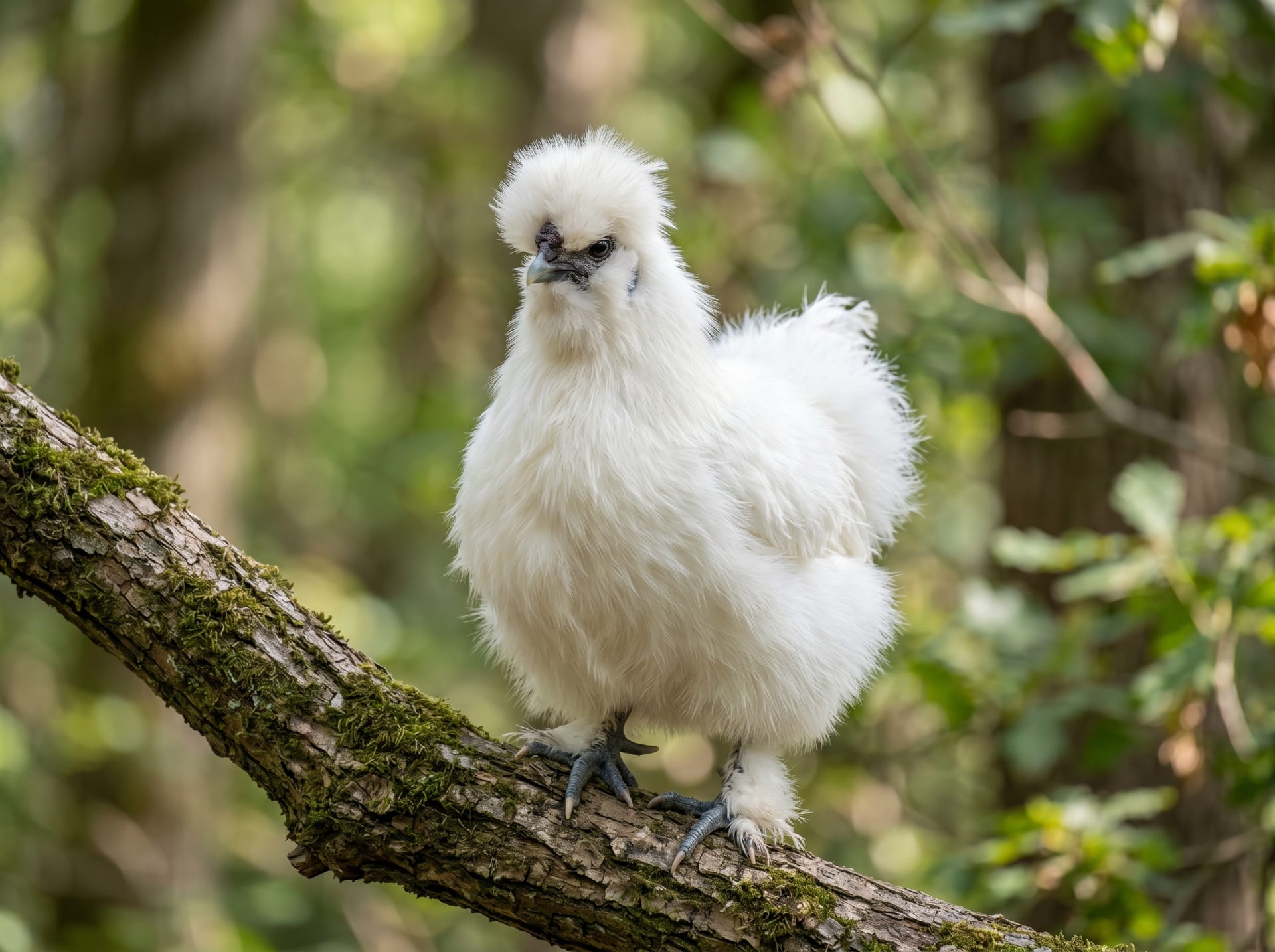
Ornamental Chicken (Chabo / Silkie)
Chabo (Japanese Bantam) is a small heritage breed prized as an ornamental pet for its calm temperament and ease of handling. Silkie chickens captivate with their entirely black skin, fluffy plumage, and gentle nature, and are also known for their nutritious eggs. Both breeds are relatively manageable and rewarding companions for backyard or spacious cage keeping.
View Ornamental Chicken (Chabo / Silkie) encyclopedia →- Price Range
- ¥210,000〜¥210,000
0% commission on your first sales!Register by September 30, 2026 and your first 2 sales are commission-free!
Breeder Wanted!
List on BreederDirect and sell directly to customers nationwide!
Six Transparency Commitments from BreederDirect
All Birds listings include complete Breeder transparency: hand-raised status, DNA sex determination, and health certification details.
- Hand-Raised
- DNA Sex-Determined
- Health Certified
- Origin Disclosed
- Color Variation Specified
- Age in Months Disclosed
Browse all 35 breeds
Care Level
Verified breeders wanted for Birds
Breeders are signing up now ahead of launch. Subscribe to be notified when new listings go live.
Getting alerts is free with a member account. When new listings match your saved search, we'll notify you by email and in-app.
Browse other categories
Verified breeders (preview)
Ornamental Chicken (Chabo / Silkie) key facts
- Care level
- Beginner-friendly
- Diet
- Formulated poultry feed, greens and oyster shell grit for calcium
- Housing
- Outdoor coop + run; shelter from rain and wind
- Diet
- Formulated feed + greens + oyster shell
- Hygiene
- Change bedding and clean to prevent disease
- Notes
- Check local rules and neighbor noise (roosters crow)
About Ornamental Chicken (Chabo / Silkie)
The Chabo, also known as the Japanese Bantam, was introduced to Japan from Southeast Asia during the Edo period and is now designated a Natural Monument. It is recognized by its short legs and striking fan-shaped tail, and has a calm, people-friendly temperament. The Silkie originates from China and is one of the oldest known chicken breeds, famous for its entirely black skin, bones, and organs, as well as its uniquely soft, silk-like plumage. Silkies are celebrated for their exceptionally strong broody instinct and are frequently used as foster mothers for other species. Both breeds are small and manageable, making them popular choices for first-time chicken keepers. Watching them roam a garden or dust-bathe is a gentle, rewarding experience. With modest egg production, they are best appreciated as companion animals that bring historical charm and distinctive personality to any backyard flock.
6 things to know before welcoming a Ornamental Chicken (Chabo / Silkie)
1Outdoor Housing & Local Rules
Keeping chickens may be restricted by local ordinances or housing regulations. Always check the rules in your area before acquiring birds. Rooster crowing in particular can cause disputes with neighbors.
2Space & Secure Coop
Ideally allow at least 0.5–1 square meter of floor space per bird. A lockable coop that protects against predators such as weasels and crows is essential at night. An enclosed outdoor run further supports physical health and natural behavior.
3Hens Are Quiet; Roosters Are Not
Hens are relatively quiet, making only soft clucking sounds around egg-laying. Roosters crow loudly from early morning and are generally unsuitable for densely populated residential areas. Choose the sex of your bird carefully based on your keeping situation.
4Broody Nature & Chick Raising
Silkies are especially well-known for their strong broody instinct and are often used as foster mothers for other birds' eggs. If you do not wish to breed, collect eggs regularly and take measures to discourage nesting behavior. Chabo hens can also go broody seasonally.
5Feed & Bedding Management
A balanced commercial chicken pellet should form the main diet, with fresh water available at all times. Replace bedding such as straw or wood shavings one to two times per week to control ammonia and moisture. Providing a dust-bathing area also helps prevent mites and lice.
6Vaccination & Health Checks
Chickens are at risk for viral diseases such as Marek's disease and Newcastle disease; vaccination at the time of purchase is recommended. Monitor droppings and check feathers and skin regularly for early signs of illness. Locate a veterinarian experienced with poultry before you need one.
Frequently asked questions about Ornamental Chicken (Chabo / Silkie)
- Q.Can I keep Chabo or Silkies in an apartment?
- A.Keeping chickens in apartments is generally not feasible. Most condominium rules prohibit it due to noise, odor, and hygiene concerns. A detached house with outdoor space is the practical minimum requirement.
- Q.Do Silkies lay eggs every day?
- A.Silkies typically lay about one egg every two to three days, averaging 80–120 eggs per year. Laying may pause seasonally, with reduced daylight hours, or during broody periods. This is considerably fewer than commercial egg-laying breeds.
- Q.Can Chabo and Silkies be kept together?
- A.Both breeds are docile, making cohabitation generally manageable when birds are of similar size. However, a gradual introduction using a separate space before full integration is important to reduce stress and aggression. Monitor individual behavior, as personalities vary.
- Q.Are there vets who treat chickens?
- A.Veterinary clinics that treat poultry are less common than those for dogs and cats, but exotic animal and poultry-specialist practices can provide care. It is strongly recommended to identify a suitable clinic in your area before bringing birds home.
- Q.How should I manage cold weather in winter?
- A.Both Chabo and Silkies are sensitive to extreme cold and require a draft-free, insulated coop. Silkies in particular lose insulation quickly when their silk-like feathers get wet, so a fully covered shelter that keeps out rain and snow is essential. If using a heater, take careful precautions against fire and ensure adequate ventilation.
Useful tools for Ornamental Chicken (Chabo / Silkie) care
Learn more about Ornamental Chicken (Chabo / Silkie) in the encyclopedia
View Ornamental Chicken (Chabo / Silkie) encyclopedia entry →
Care difficulty, lifespan, size and diet — all basics covered.
Ornamental Chicken (Chabo / Silkie) related articles
See more Ornamental Chicken (Chabo / Silkie) articles →More in this category
Can't find the one you're looking for?
Post your wishes for free and breeders with matching animals will contact you with introductions.