AI-generated image
Ornamental Chicken (Chabo / Silkie)
BeginnerGallus gallus domesticus
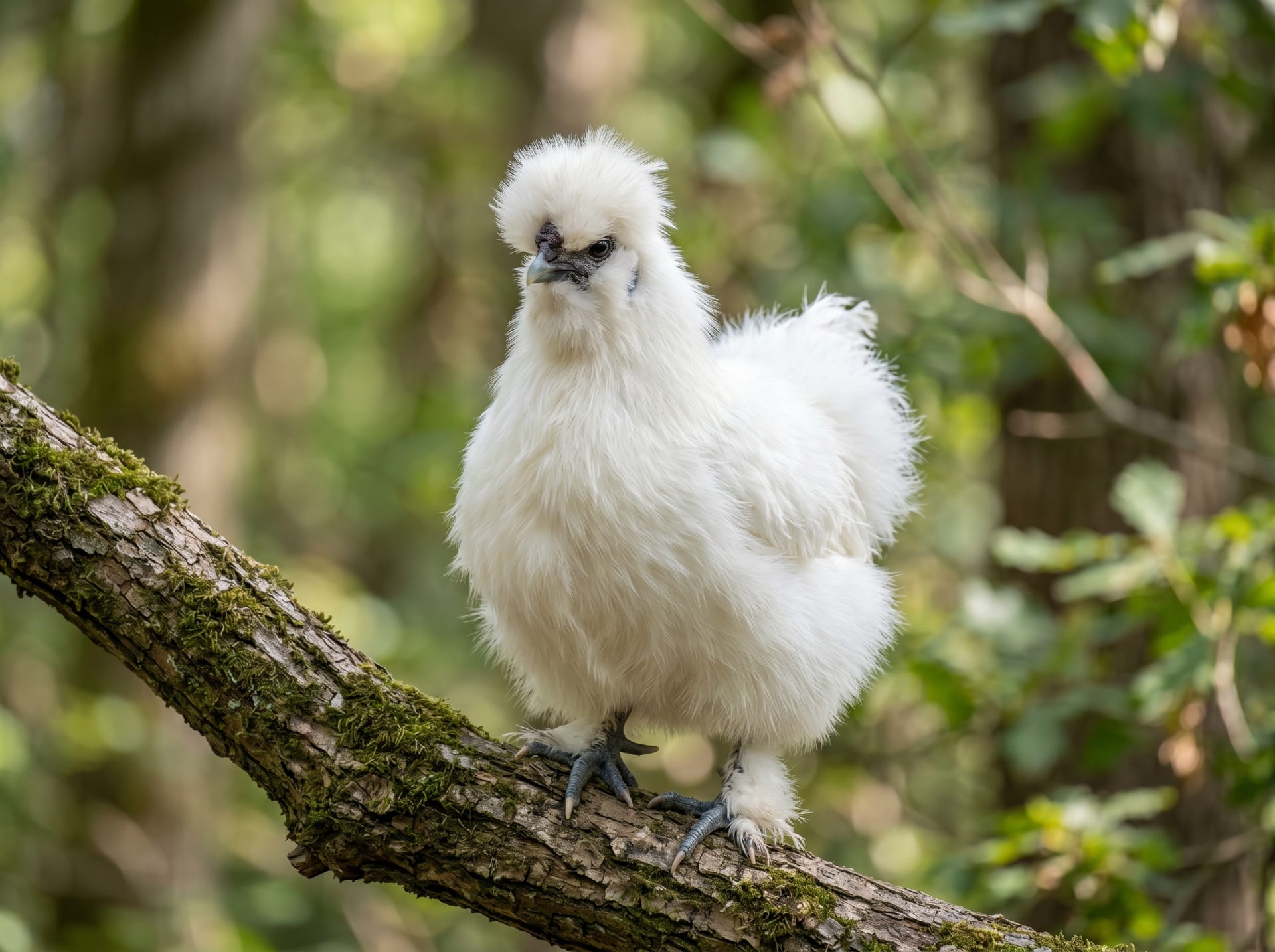
Small ornamental chicken breeds. Chabo (Japanese bantam) and Silkie (black-skinned, black-boned) both display unique aesthetic qualities. Gentle temperament, suitable for backyard or small-space settings with egg production potential.
Difficulty
Beginner
Temperature
10〜28℃
Humidity
40〜70%
Diet
Formulated poultry feed, greens and oyster shell grit for calcium
About
Ornamental chickens are domestic fowl (Gallus gallus domesticus) bred for appearance and as pets rather than primarily for production. Examples include the Japanese bantam (Chabo), a small, short-legged breed, and the Silkie (Ukokkei), known for black skin and bones and fluffy plumage. They are docile and popular as introductory poultry, kept in a secure coop with ground space.
Source: Wikipedia (CC BY-SA 4.0)
Basic Info
Origin
domesticated breeds of the chicken (descended from the red junglefowl)
Temperature
10〜28℃
Humidity
40〜70%
Diet
Formulated poultry feed, greens and oyster shell grit for calcium
Care Guide
Housing
Outdoor coop + run; shelter from rain and wind
Diet
Formulated feed + greens + oyster shell
Hygiene
Change bedding and clean to prevent disease
Notes
Check local rules and neighbor noise (roosters crow)
Calls & Media
Calls / Song
Song · © Marcin Przymencki · xeno-canto XC1085633 (CC BY-NC 4.0)
Call · © Greg Irving · xeno-canto XC976088 (CC BY-NC 4.0)
Sources: xeno-canto
References & Sources
Edited & verified by: BreederDirect editorial team
The taxonomic, regulatory, and husbandry data on this page are compiled and verified against the authoritative primary sources below.
Taxonomy & Authority
Accepted name: Gallus gallus domesticus
Authority databases: GBIF
Nomenclature follows global taxonomic authority databases.
Regulations & Conservation Status
Not CITES-listed
Gallus gallus domesticus (domestic chicken, Japanese Bantam, Silkie). Not listed in CITES Appendices.
Sources: CITES Appendices (valid from 25.05.2024)
Regulations may change. Always verify the latest information with the relevant authorities.
Ornamental Chicken (Chabo / Silkie) Listings
Loading latest listingsFind listings for this species