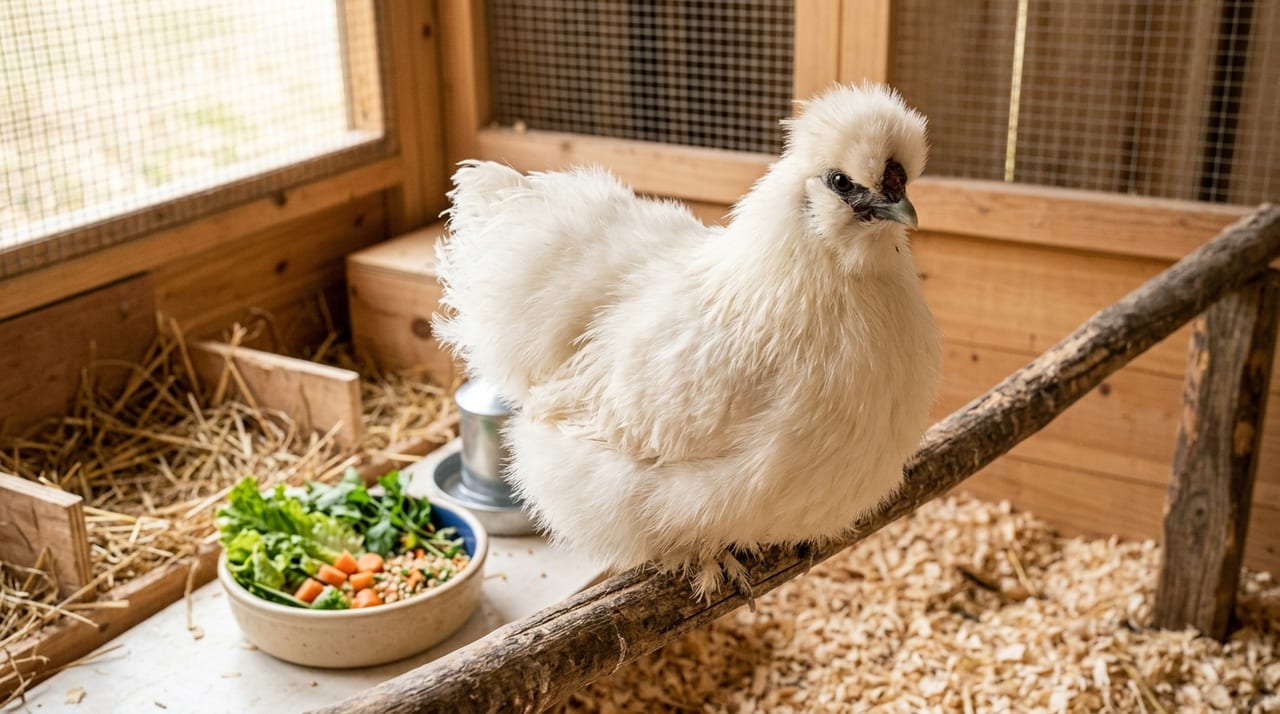
Chickens and bantams (dwarf chickens) are increasingly gaining attention as affectionate pets, moving beyond their image as mere farm egg-layers. Small bantams are especially easy to hold and have docile, friendly personalities, and in recent years more households in urban areas are keeping them. This article provides detailed guidance on creating the right environment to welcome chickens and bantams as pets, confirming legal regulations, and providing daily care.
Differences Between Chickens and Bantams, and Breed Selection
The greatest difference between chickens and bantams is their size. Bantams (dwarf chickens) weigh less than half of a standard chicken (500-800g), and their small size makes them ideal as pets. The representative breeds suitable for pets are as follows:
- Bantam (Japanese Bantam): A traditional Japanese dwarf chicken breed. Gentle and friendly, easy to hold. Even males have relatively quiet voices
- Silkie: Popular for its soft plumage and calm temperament. Exceptionally comfortable to hold
- Seabright: A small breed originating from England. Notable for its beautiful feather patterns
- Bantam varieties: Generally small-bodied and require minimal rearing space
Hens are easier to handle as they engage in laying behavior, while roosters are prone to causing problems with their dawn crowing, so keeping only hens is recommended in residential areas.
Legal Regulations and Local Rules to Confirm Before Keeping Chickens
There are regulations that must be confirmed before keeping chickens.
Animal Protection and Management Law: Chickens are treated as poultry and are generally exempt from standard pet regulations, but large-scale raising or sales activities require separate registration.
Local Ordinances and Community Rules: Some municipalities have ordinances restricting poultry keeping in residential areas. Be sure to check in advance, especially regarding 'nuisance prevention ordinances' and 'environmental conservation ordinances.'
Avian and Livestock Disease Prevention Law (Registration with Poultry Health and Sanitation Office): Registration is required when keeping a certain number or more of poultry. Small-scale pet keeping is typically exempt, but this varies by prefecture.
For Rental Properties: You must always confirm with the property management company or owner. There are cases where residents have been asked to vacate due to noise and odor issues.
Creating a Proper Rearing Environment
Chickens require proper housing and exercise space.
Basic Coop and Housing Design
Ensure a minimum floor area of 0.5-1 square meter per bird. The coop must have a roof to protect from rain and wind, and wire mesh to prevent predators (crows, cats, raccoons) from entering.
- Perches: Install perches 30-50cm high to allow natural resting postures
- Nesting Boxes: Provide one nesting box for every 1-2 birds in a dark, quiet location
- Dust Bath Area: Place a container filled with sand or soil for parasite control and stress relief
- Bedding: Spread rice husks or sawdust 5-10cm deep for moisture absorption. Change bedding once or twice weekly as needed
Temperature and Ventilation Management
While adult chickens tolerate low temperatures reasonably well, chicks require heat and need a brooder maintaining 35-38℃. For summer heat and humidity control, ensure shade and ventilation, with increased water availability being critical.
Daily Feeding and Nutritional Management
A balanced diet for chickens supports their health and egg production.
Commercial Feed: Commercial 'layer feed' is the most convenient and nutritionally balanced option. Provide about 5-7% of body weight daily, split into two feedings morning and evening.
Vegetable and Fruit Supplements: Offer cabbage, spinach, carrots, apples and similar items as treats 2-3 times weekly. Avoid onions, chives, and avocados as they are toxic.
Calcium Supplementation: For laying hens, it is important to provide oyster shells (crushed oyster shell) freely available at all times. This is essential for eggshell formation.
Clean Water: Always provide fresh water, replacing it multiple times daily in summer.
Key Points for Noise and Odor Control
The biggest challenges with keeping chickens in residential areas are noise and odor.
Noise Control
- Not keeping roosters is the most effective approach. A rooster's crowing reaches 60-70dB and often causes neighbor complaints
- Installing soundproofing materials (foam insulation, heavy curtains) in the coop can reduce noise by 5-10dB
- Covering the coop with blackout material at night to prevent dawn light can delay early morning crowing
Odor Control
- Regular bedding changes (once or twice weekly) are the fundamental solution
- Using fermentation-based bedding (made with EM microorganisms or composted leaf litter) significantly reduces odor
- Positioning the coop away from neighboring windows and avoiding downwind placement are also important
Health Management and Disease Prevention
Vaccinations: Vaccines against Newcastle disease, Marek's disease, and other conditions are important. Contact your local prefecture's poultry health and sanitation office for information on obtaining vaccines.
Regular Health Checks: Monitor the following daily.
- Feather shine and fluffiness (feathers are ruffled when ill)
- Droppings condition (normally solid, greenish-brown with white uric acid portions)
- Appetite and water intake
- Discharge from eyes or nostrils
Parasite Control: In addition to providing dust bath areas, monthly disinfection of the entire coop (using saline solution or commercial poultry disinfectants) is recommended.
Summary
Chickens and bantams become affectionate pets when cared for with love and offer the unique benefit of fresh eggs. By confirming legal regulations and local rules before acquiring them and implementing noise and odor management, you can prevent neighbor conflicts. Starting with small bantams allows even beginners to establish a smooth and enjoyable life with chickens.