Beginner's Guide to Raising Ornamental Pigeons and Pet Pigeons | Varieties, Housing, and Breeding Tips
A detailed guide to raising ornamental and pet pigeons. This guide covers everything from choosing varieties to creating a housing environment, managing diet, and breeding—all the essentials to help beginners start with confidence.
Key Takeaways
A detailed guide to raising ornamental and pet pigeons. This guide covers everything from choosing varieties to creating a housing environment, managing diet, and breeding—all the essentials to help beginners start with confidence.
Related Species
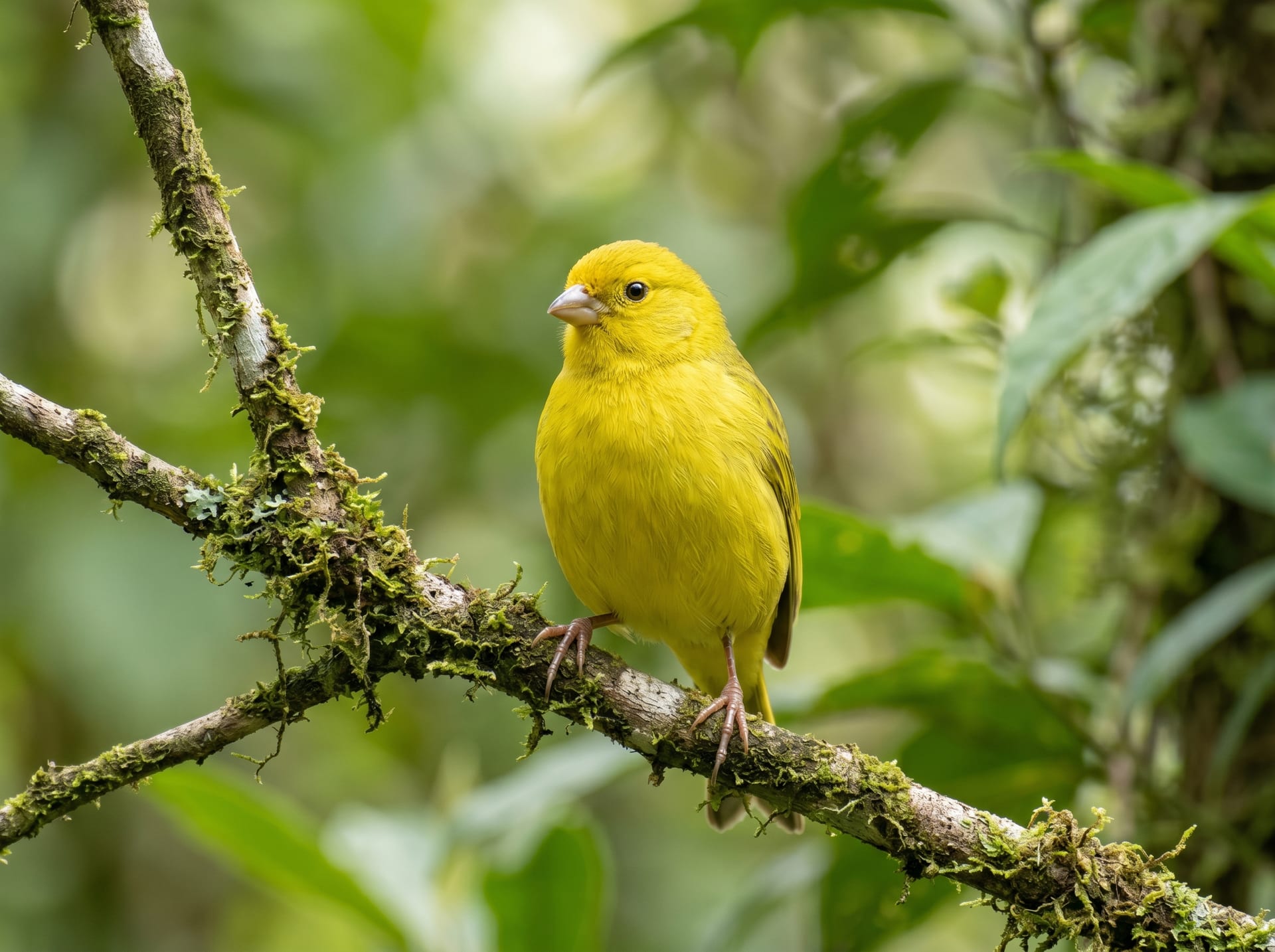
Pigeons are birds that have been closely connected to humans since ancient times, and many ornamental varieties exist. While pigeons may conjure images of "park birds," ornamental pigeons possess beautiful plumage colors and unique body shapes, and more and more enthusiasts are raising them as pets. They are relatively hardy and easy to care for, making them an excellent introduction to keeping pet birds.
Main Varieties of Ornamental Pigeons
| Variety | Characteristics |
|---|---|
| Fantail Pigeon (Fan-tailed Pigeon) | A beautiful variety with tail feathers that spread like a fan, and one of the most popular ornamental pigeons in the world. The elegant way it walks with its tail feathers spread like a peacock's is captivating, and there is a wealth of color variations including white, black, red, and blue. They have a gentle temperament and are known for being easily tamed by people. |
| Jacobin Pigeon (Frilled Neck) | A variety characterized by distinctive frilled feathers that spread around the neck, giving it an endearing appearance as if wearing a hat. Since their vision is restricted, breeding requires some careful management, but their distinctive appearance makes them popular with collectors. |
| Dove Varieties (Laughing Pigeons, Racing Pigeons) | The small and adorable "Duub Dub (Diamond Dub)" is also a popular ornamental pigeon variety. Additionally, the "Ring-neck Dove (Japanese name: Juzukakebato, Streptopelia risoria)" has a pleasant voice and compact form, making it well-suited to indoor keeping. |
| Roller/Tumbler Pigeons | A variety that flies in a unique way, performing backward flips during flight. They offer the appeal of exhibition flying and have a competitive aspect. They are particularly popular with enthusiasts who enjoy pigeon racing and exhibition flying. |
Creating a Housing Environment
- Basic Pigeon Lofts: If keeping pigeons outdoors, you will need to set up a pigeon loft. Generally, it consists of a wooden or metal frame with metal mesh stretched over it, and you should ensure adequate space. A minimum of approximately 0.5 square meters per pair is necessary. A roofed design that protects from wind and rain is the basic standard, and good sunlight and ventilation are also important.
- For Indoor Keeping: If you have a small variety (Dove species), it is possible to keep them in an indoor bird cage. Prepare a cage of at least 60 cm × 60 cm or larger, and also secure a space for flight (flying exercise) several times a week. Use newspaper or corn cob bedding on the floor, and daily cleaning is essential.
- Nesting Box Installation: If you plan to breed, install nesting boxes (boxes for egg-laying). Choose from wooden nesting boxes, metal basket types, and others to suit your variety. One nesting box per pair is the basic standard, and when keeping multiple pairs, provide sufficient space and nesting boxes so that each pair can have its own territory.
- Temperature and Humidity Management: Since pigeons are birds adapted to temperate to subtropical climates, they are generally well-adapted to Japanese climate. However, heating measures are necessary during harsh winters, and care should be taken to keep room temperature above 5°C. Direct sunlight and high temperatures in summer pose a heat stroke risk, so providing shade and ensuring ventilation are important.
Diet and Water Management
- Types of Main Food: The primary diet of pigeons consists of grains (seeds). "Pigeon mix feed" blended from sorghum, wheat, barley, millet, foxtail millet, and similar ingredients is available commercially. While pellet-type feeds exist, pigeons tend to prefer dried granule feed.
- Minerals and Grit: Constantly provide "grit" to aid digestion. Seabird sand, crushed oyster shell, and similar materials are used. For calcium supplementation, oyster shells and commercially available mineral blocks are effective. Calcium demand increases especially during breeding season.
- Providing Clean Water: Pigeons drink large amounts of water daily. Change drinking water daily and regularly clean containers to maintain cleanliness. Additionally, since pigeons enjoy water bathing, they will be pleased if you provide a shallow dish-shaped water bath 2-3 times per week.
Breeding and Chick Rearing
- Pair Formation: Pigeons are essentially monogamous, and once a pair forms, they maintain their partnership for an extended period. Since same-sex pigeons cannot breed, correctly identifying males and females is important. Males frequently display courtship behavior (puffing up while circling).
- Egg-laying and Incubation: Pigeons typically lay 1-2 eggs, and males and females take turns incubating (usually the male during the day, female at night). Hatching takes approximately 16-19 days. During this period, avoid getting too close to the nest and observe quietly.
- Chick Rearing: Pigeons feed their chicks pigeon milk (digested grain secreted from the crop), which the parent birds regurgitate to the chicks. Normally, it is best to leave rearing to the parents, but if the parents abandon chicks, hand-feeding is necessary. Use commercially available pigeon hand-feeding powder (dissolved into a soup-like consistency and fed).
Health Management and Precautions
| Disease/Precaution | Details |
|---|---|
| Pigeon Paramyxovirus (PPMV) | A viral infection unique to pigeons that causes neurological symptoms such as head shaking and circling flight. Since vaccines exist, if you plan to breed, consider vaccination especially. |
| Trichomoniasis (in pigeons called canker, in raptors called frounce) | A parasitic infection that causes yellow cheese-like lesions on the oral mucous membranes resembling canary pox. Since infection spreads easily in multi-bird situations, quarantine new individuals before introduction. |
| Salmonella Infection Caution | Pigeons may be carriers of Salmonella bacteria. Always wash your hands after handling pigeon droppings or feed. Special care is necessary for those with weak immune systems (infants, elderly, pregnant women). |
Ornamental pigeons are quiet and peaceful pets that can be enjoyed even in living environments where loud-voiced birds like parrots cannot be kept. If you master the tips for keeping them and prepare properly, you can enjoy a life with elegant ornamental pigeons.