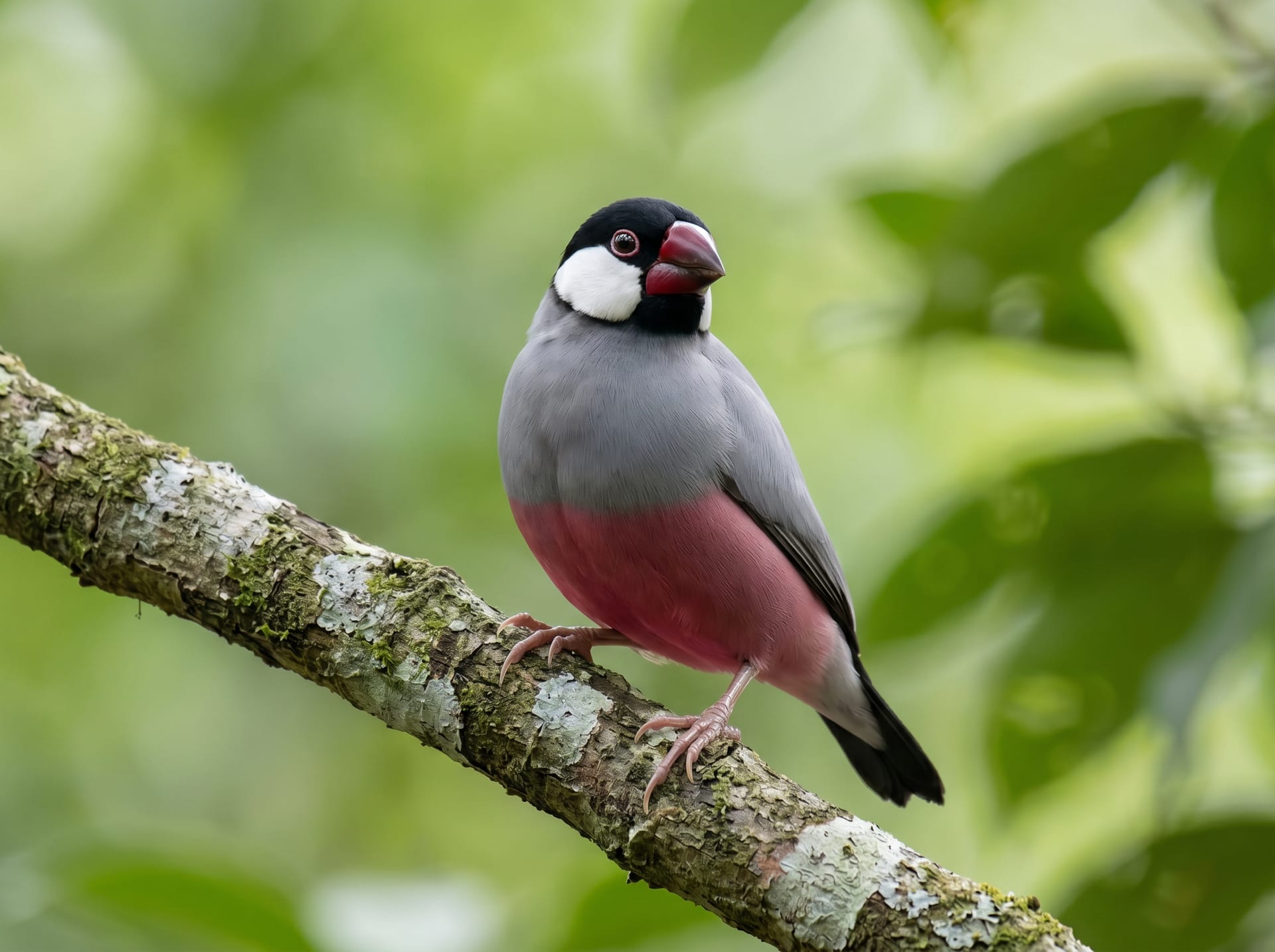
Java Sparrow
Most popular finch in Japan. Becomes very tame when hand-raised. Adorable red beak and round body shape.
View Java Sparrow encyclopedia →0% commission on your first sales!Register by September 30, 2026 and your first 2 sales are commission-free!
Breeder Wanted!
List on BreederDirect and sell directly to customers nationwide!
Six Transparency Commitments from BreederDirect
All Birds listings include complete Breeder transparency: hand-raised status, DNA sex determination, and health certification details.
- Hand-Raised
- DNA Sex-Determined
- Health Certified
- Origin Disclosed
- Color Variation Specified
- Age in Months Disclosed
Browse all 35 breeds
Care Level
Verified breeders wanted for Birds
Breeders are signing up now ahead of launch. Subscribe to be notified when new listings go live.
Getting alerts is free with a member account. When new listings match your saved search, we'll notify you by email and in-app.
Browse other categories
Verified breeders (preview)
Java Sparrow key facts
- Care level
- Beginner-friendly
- Lifespan
- 7-10 years
- Size
- 14-17cm
- Temperature
- 20〜28℃
- Diet
- Java sparrow seed mix, pellets, vegetables
- Housing
- Use a cage at least 35 cm wide with a swing and varied perches, and offer a bath every day. Birds raised from chicks become very attached to people.
- Diet & Feeding
- Feed a small-seed finch mix as the staple, along with pellets, vegetables, polished rice and boiled egg.
- Temperature
- 20-28°C (somewhat cold-sensitive)
- Health & Cautions
- More cold-sensitive than a budgerigar, so keeping it warm in winter is important. Common illnesses include air sacculitis and crop inflammation.
- Notes
- Jealous nature — watch compatibility with other birds
About Java Sparrow
The Java Sparrow (Lonchura oryzivora) originates from Indonesia and has been cherished in Japan for over 300 years since its arrival during the Edo period. Several color varieties have been established — including white, cherry, cinnamon, and silver — each sharing the breed's signature rounded body, red beak, and vivid eye ring. Compact at 14–17 cm, Java Sparrows have a surprisingly clear, melodic song. In personality they are curious and sociable; birds raised by hand from the chick stage develop a strong attachment to their owner, readily flying to them and perching on their shoulder throughout the day. They do carry a territorial streak, so introducing multiple birds requires careful assessment of compatibility. What draws people to Java Sparrows is the outsized personality packed into such a small bird — expressive, endearing, and deeply rewarding to raise. The bond built through patient, attentive care is precisely what keeps devoted fans coming back generation after generation.
7 things to know before welcoming a Java Sparrow
1Hand-Raising from Chick
To raise a tame Java Sparrow, it is most effective to hand-feed a chick from around 3–4 weeks of age. Daily handling during this period helps the bird grow comfortable with humans. Adult birds can also become tame, but it generally takes more time and patience.
2Cage and Perch Selection
Java Sparrows are active birds, so a cage with a width of at least 45 cm is recommended. Providing perches of varying thicknesses helps maintain healthy feet. Ensure there is enough open space for the bird to fly within the cage, and avoid overcrowding it with toys.
3Daily Out-of-Cage Time
Java Sparrows enjoy interaction with their owners, so providing daily out-of-cage time is important. Around 30 minutes to 1 hour per day is a general guideline, and many birds enjoy perching on their owner's shoulder or hand. During free-flight time, ensure windows and doors are closed and small objects that could be swallowed are out of reach.
4Diet: Seeds and Pellets
The staple diet consists of mixed seeds or pellets formulated for finches. Offering a balance of both is generally considered ideal. Adding small amounts of leafy greens such as komatsuna or pea shoots helps improve nutritional variety. Avoid feeding commercially processed snacks or high-sodium foods, as these can harm the digestive system.
5Molting Care
Java Sparrows molt once or twice a year, during which they can become more sensitive to temperature changes due to the physical strain involved. Keeping them warm and offering nutritious food during this period supports recovery. Significant feather loss is normal, but if loss of appetite or lethargy persists, consult an avian veterinarian.
6Breeding Season Behavior
During breeding seasons in spring and autumn, males frequently perform courtship dances and vocalizations, while females may show nesting behaviors. Chronic over-breeding can pose health risks, so the placement of nest boxes should be considered carefully. If breeding is not intended, consulting a specialist to manage the environment appropriately is advisable.
7Initial and Monthly Costs
The purchase price of a Java Sparrow varies by variety and color mutation, typically ranging from a few thousand to around 20,000 yen. Initial setup costs including a cage, heating equipment, and food dishes can amount to approximately 10,000–30,000 yen. Monthly maintenance costs for food and consumables are generally a few thousand yen, but budgeting for veterinary visits is also recommended.
Frequently asked questions about Java Sparrow
- Q.Can I keep a Java Sparrow if I live alone?
- A.Java Sparrows are well suited to single-person households. They spend much of the day in their cage, so routine care before and after work is generally sufficient. That said, daily food and water changes and at least some out-of-cage time each day are non-negotiable.
- Q.Are Java Sparrows loud or noisy?
- A.Compared to small parrots, Java Sparrows are relatively quiet, making them manageable in apartments. Males do go through periods of repeated courtship singing, which tends to peak in the morning. In spaces with thin walls, some consideration for neighbors may still be worthwhile.
- Q.Is it better to keep one Java Sparrow or a pair?
- A.A single bird tends to bond more closely with its owner and is generally easier to hand-tame. Keeping a pair shifts the bird's social focus toward its companion, which can reduce human bonding. If hand-tameness is a priority, starting with one bird is usually the better approach.
- Q.What is the average lifespan of a Java Sparrow?
- A.With proper care and diet, Java Sparrows commonly live 7 to 10 years. Some individuals reach 12 years or more. Regular health monitoring and a stable, well-managed environment are key factors in supporting a long, healthy life.
- Q.Where should I take my Java Sparrow if it gets sick?
- A.Look for an exotic animal clinic or avian specialist in your area before you actually need one — general dog-and-cat clinics may not be equipped to treat birds. If you notice any change in behavior, appetite, or droppings, seeking veterinary attention promptly gives the best chance of a full recovery.
Useful tools for Java Sparrow care
Learn more about Java Sparrow in the encyclopedia
View Java Sparrow encyclopedia entry →
Care difficulty, lifespan, size and diet — all basics covered.
Java Sparrow related articles
Complete Guide to Finch Breeding | Breeding Tips for Java Sparrows, Bicheno's Finches, and Zebra Finches
Explains breeding methods for finches (Java Sparrows, Bicheno's Finches, Zebra Finches, etc.). A detailed guide covering nest box types, egg laying management, hatching, chick rearing, and environmental setup for breeding season.
Java Sparrow Complete Care Guide | Environment Setup, Diet, Breeding, and Health Management
A beginner-friendly guide to caring for Java Sparrows (Lonchura striata domestica), small finches beloved in Japan for centuries. Covers color varieties including white, silver, and mocha; proper cage selection emphasizing width; temperature management (20-28°C) during winter months; seed-based diet featuring millet, proso millet, and foxtail millet supplemented with leafy greens and cuttlebone; the complete breeding cycle from pairing and nest box setup through egg-laying, incubation, and chick-rearing; nutrition enhancement during molting season; and early treatment of common health issues such as feather fluffing and regurgitation.
Complete Guide to Java Sparrow Care | Hand-Taming Training, Breeding Season Management, and Early Disease Detection
A comprehensive guide to Java sparrow care. From hand-taming training steps for chicks to breeding season management and early detection of common diseases—all from a breeder's perspective.
Complete Guide to Nest Box Types, Selection, and Breeding Setup | For Parakeets, Java Sparrows, and Cockatiels
A detailed guide to the types of nest boxes needed for breeding parakeets, Java sparrows, cockatiels and similar birds, how to choose them, installation methods, and breeding setup procedures. We also cover management tips before and after egg-laying and how to prepare the environment for chick rearing.
Complete Guide to Pet Bird Disease and Health Management | For Budgies, Cockatiels, Java Sparrows, and Macaws
Birds are animals that hide illness. This guide provides detailed veterinary insights into early warning signs of common diseases in budgies, cockatiels, Java sparrows, and macaws, along with daily health management and preventive strategies.
Parakeet and Java Sparrow Weight Management | Discovering Health Changes Through Daily Measurements
Comprehensive guide to the importance of weighing small birds for health management, including when and how to measure, choosing the right scale, and graphing weight changes. Also covers standard weights by species and steps to take if weight loss is detected.
More in this category
Can't find the one you're looking for?
Post your wishes for free and breeders with matching animals will contact you with introductions.