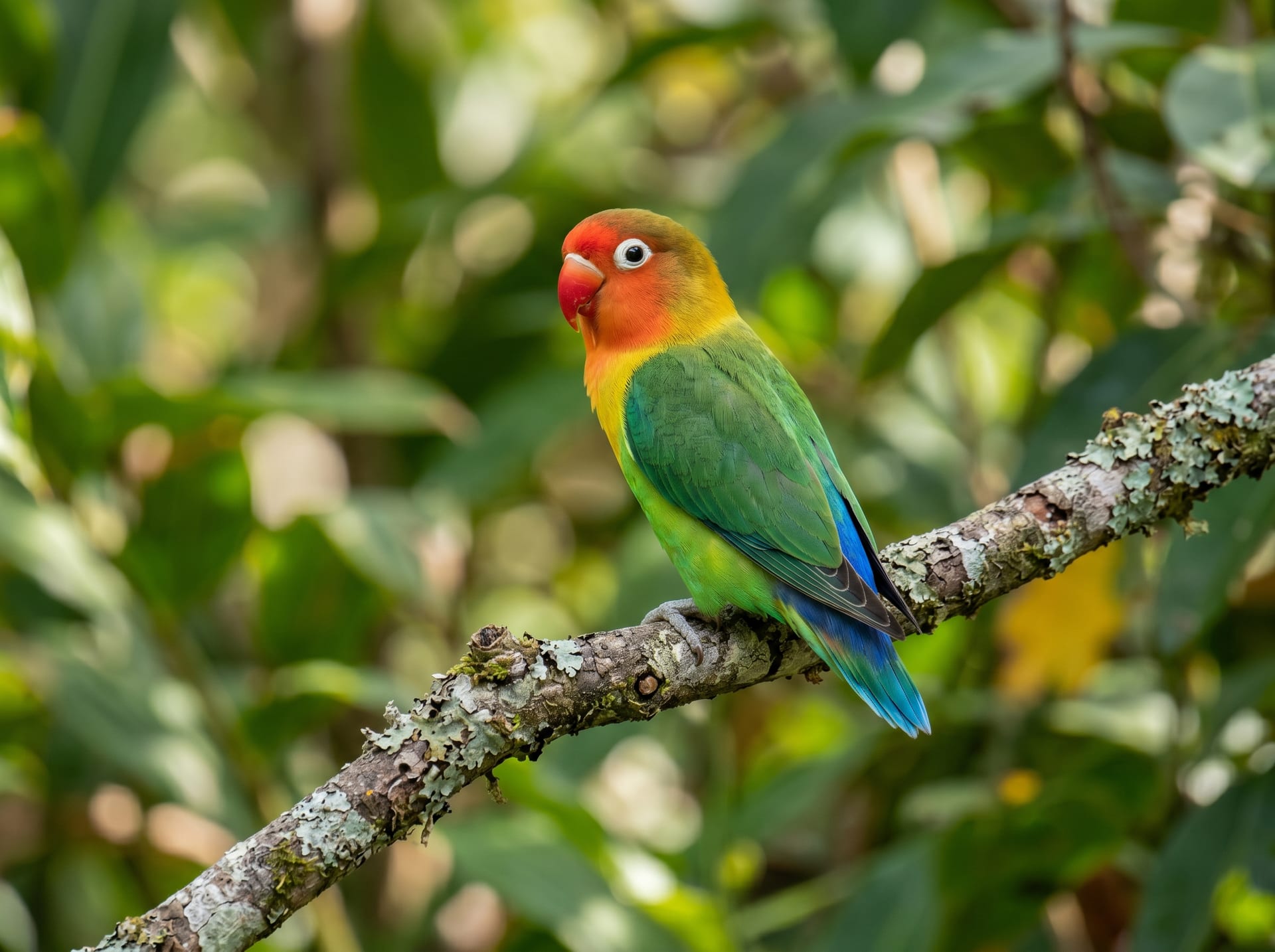
Lovebird
Named for their affectionate nature and vivid plumage. Bonds deeply with owners but can be jealous. Strong bite for their size. Small but powerful and curious.
View Lovebird encyclopedia →- Price Range
- ¥210,000〜¥210,000
0% commission on your first sales!Register by September 30, 2026 and your first 2 sales are commission-free!
Breeder Wanted!
List on BreederDirect and sell directly to customers nationwide!
Six Transparency Commitments from BreederDirect
All Birds listings include complete Breeder transparency: hand-raised status, DNA sex determination, and health certification details.
- Hand-Raised
- DNA Sex-Determined
- Health Certified
- Origin Disclosed
- Color Variation Specified
- Age in Months Disclosed
Browse all 35 breeds
Care Level
Verified breeders wanted for Birds
Breeders are signing up now ahead of launch. Subscribe to be notified when new listings go live.
Getting alerts is free with a member account. When new listings match your saved search, we'll notify you by email and in-app.
Browse other categories
Verified breeders (preview)
Lovebird key facts
- Care level
- Intermediate
- Lifespan
- 10-15 years
- Size
- 15-17cm
- Temperature
- 20〜30℃
- Diet
- Seeds + pellets + vegetables/fruits
- Cage
- 35cm+ wide. Plenty of toys and chew materials
- Temperament
- Devoted to owner but may be aggressive toward other pets
- Biting
- Strong bite. Proper training from young age is important
- Notes
- Instinct to shred paper for nesting. Watch for ingestion
About Lovebird
The Lovebird originates from the African continent and takes its scientific name, Agapornis, from the Greek for "love bird," a fitting tribute to the intense bonds these small parrots form. In the wild they live in flocks, and mated pairs remain together for extended periods. Adults measure roughly 14 to 17 centimeters in length, and one of their greatest appeals is the wide range of color mutations available, from the classic normal green to vivid lutinos, pieds, and beyond. In temperament, Lovebirds are energetic, curious, and genuinely playful, yet they bond possessively and can show jealousy toward rivals for their owner's attention. Their bite is notably strong for their size, which means patient, consistent handling from a young age is essential to building mutual trust. Given daily out-of-cage playtime and regular gentle interaction, a well-socialized Lovebird becomes a devoted, spirited companion capable of sharing many rewarding years with its owner.
7 things to know before welcoming a Lovebird
1Mind the Strong Bite
Lovebirds have a notably strong bite for their size and may bite hard when agitated or in breeding condition. Consistent hand-taming from a young age helps reduce biting tendencies over time.
2Best Kept Solo
Keeping two Lovebirds together often shifts their bond toward each other, reducing tameness with humans. If you want a people-oriented pet, keep one bird and spend quality interaction time daily.
3Jealousy and Possessiveness
Lovebirds can show strong jealousy toward other people or pets around their favorite human. In multi-pet or busy households, watch closely for stress signals such as feather-plucking or excessive screaming.
4Daily Out-of-Cage Time Required
Lovebirds are active and curious, requiring one to two hours of supervised out-of-cage time each day. Before letting your bird roam, secure windows, doors, and exposed electrical cords.
5Cage Size Matters
Despite their small size, Lovebirds need a cage at least 60 cm wide to allow climbing and active movement. Add multiple perches and toys to keep them mentally stimulated.
6Managing Breeding Behavior
Female Lovebirds may lay unfertilized eggs even without a mate, which can deplete their energy. Avoid providing nest boxes and minimize dark hiding spots to help manage excessive egg-laying.
7Estimated Initial Costs
Lovebird prices vary by color mutation, typically ranging from 5,000 to 30,000 yen. When factoring in a cage, heating equipment, food, and initial vet visits, expect to budget several tens of thousands of yen in the first year.
Frequently asked questions about Lovebird
- Q.Should I keep one Lovebird or a pair?
- A.Single-bird keeping is generally recommended if you want a hand-tamed companion, as Lovebirds kept in pairs tend to bond more with each other than with people. That said, if you spend long hours away from home, a pair can help prevent loneliness-related stress.
- Q.How long do Lovebirds typically live?
- A.With proper care, Lovebirds commonly live 10 to 15 years. A balanced diet, appropriate warmth, and regular veterinary check-ups all contribute to a longer, healthier life. Welcoming one is a long-term commitment worth considering carefully.
- Q.Can Lovebirds learn to talk?
- A.Lovebirds have limited talking ability compared to larger parrots, and there is considerable variation between individuals. Some may pick up a word or two, but they are not regarded as reliable talkers. Their appeal lies more in expressive body language and a wide range of vocalizations.
- Q.How should I manage temperature and heating?
- A.Lovebirds thrive at temperatures between roughly 20 and 28 degrees Celsius and are at risk of illness when temperatures drop below 10 degrees. In winter, use a dedicated bird heater or panel heater to keep the area around the cage warm, and avoid sudden temperature fluctuations.
- Q.Are Lovebirds suitable for first-time bird owners?
- A.Lovebirds can be rewarding for first-time owners who enjoy daily interaction, but they require more attentive management than some other small parrots, particularly regarding their strong bite and breeding behavior. With thorough preparation and a commitment to building trust gradually, beginners can form a wonderful bond with them.
Useful tools for Lovebird care
Learn more about Lovebird in the encyclopedia
View Lovebird encyclopedia entry →
Care difficulty, lifespan, size and diet — all basics covered.
Lovebird related articles
Color Genetics and Morph Explanation of Rosy-faced Lovebirds and Black-capped Lovebirds | How Green, Blue, and Lutino Work
Explaining the color variations (morphs) of Rosy-faced Lovebirds (Lovebirds) and Black-capped Lovebirds from the perspective of genetic inheritance. A beginner-friendly guide to how Green, Blue, Lutino, Pied, and Albino morphs develop, and how to predict the colors of offspring from pairing.
Peach-faced Lovebirds (Lovebirds) Complete Care Guide | Pair Breeding, Breeding Condition Management, and Hand-taming Tips
Complete guide to caring for Peach-faced Lovebirds (Agapornis genus). Detailed explanation of care methods, including pair breeding precautions, hand-taming training, breeding condition suppression, and breeding basics, through molt care and diet management—a complete guide to raising lovebirds long-term and healthy.
Breeding Guide for Rosy-faced Lovebirds and Fischer's Lovebirds: Nest Boxes, Egg-laying, and Chick Rearing
A detailed guide to breeding Rosy-faced Lovebirds and Fischer's Lovebirds. Covers breeding age requirements, choosing nest boxes, managing egg-laying through hatching, and chick-rearing techniques (hand-feeding).
Cockatiel vs Lovebird | Small Parrot Beginner's Breeding & Care Comparison Guide
A comprehensive comparison of Cockatiels and Lovebirds (including Peach-faced Lovebirds) - two popular small parrots for beginners - across personality, vocalizations, tameness, and breeding costs. Learn the decision criteria for choosing the right species for you.
Rosy-faced Lovebird Care & Breeding Guide: Basic Care for Affectionate Love Birds
A comprehensive guide to raising affectionate Rosy-faced Lovebirds. Learn the differences between pair and single-bird housing, cage selection, breeding procedures, and strategies for managing behavior issues specific to this species.
Lovebird Care & Breeding Guide | Tips for Raising Them with Love
Explains the care environment, hand-training, and breeding methods for Lovebirds (Peach-faced and Fisher's lovebirds). We introduce care tips for keeping these birds, which form strong bonds, healthy and long-lived.
More in this category
Can't find the one you're looking for?
Post your wishes for free and breeders with matching animals will contact you with introductions.