Cockatiel vs Lovebird | Small Parrot Beginner's Breeding & Care Comparison Guide
A comprehensive comparison of Cockatiels and Lovebirds (including Peach-faced Lovebirds) - two popular small parrots for beginners - across personality, vocalizations, tameness, and breeding costs. Learn the decision criteria for choosing the right species for you.

Key Takeaways
A comprehensive comparison of Cockatiels and Lovebirds (including Peach-faced Lovebirds) - two popular small parrots for beginners - across personality, vocalizations, tameness, and breeding costs. Learn the decision criteria for choosing the right species for you.
Related Species
Small Parrot Beginner's Guide | How Are Cockatiels Different from Lovebirds?
Small parrots popular for beginners include Cockatiels and Lovebirds (including Peach-faced Lovebirds, known collectively as "Lovebirds"). Both have body lengths around 20-25 cm with similar cage requirements, and many people struggle to choose based on their cute appearance alone. This article provides a thorough comparison across four dimensions: personality, vocalizations, tameness, and breeding costs.
Basic Profiles
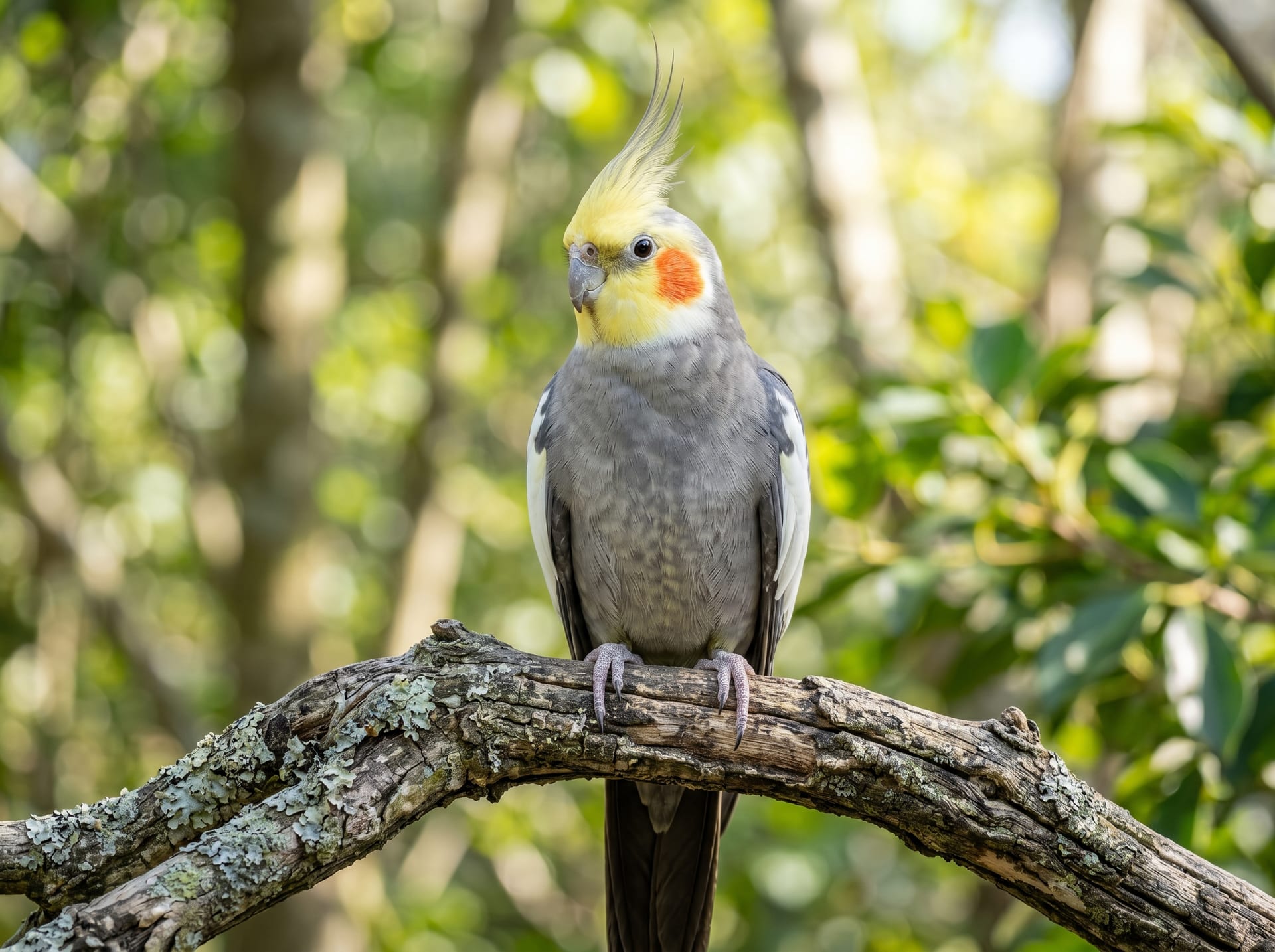
Cockatiel (Nymphicus hollandicus)
- Origin: Australia
- Body Length: 30-33 cm
- Lifespan: 15-25 years (with proper care)
- Characteristics: Distinctive crest atop the head and orange cheek patches. Among small parrots, they have a gentle and calm temperament.
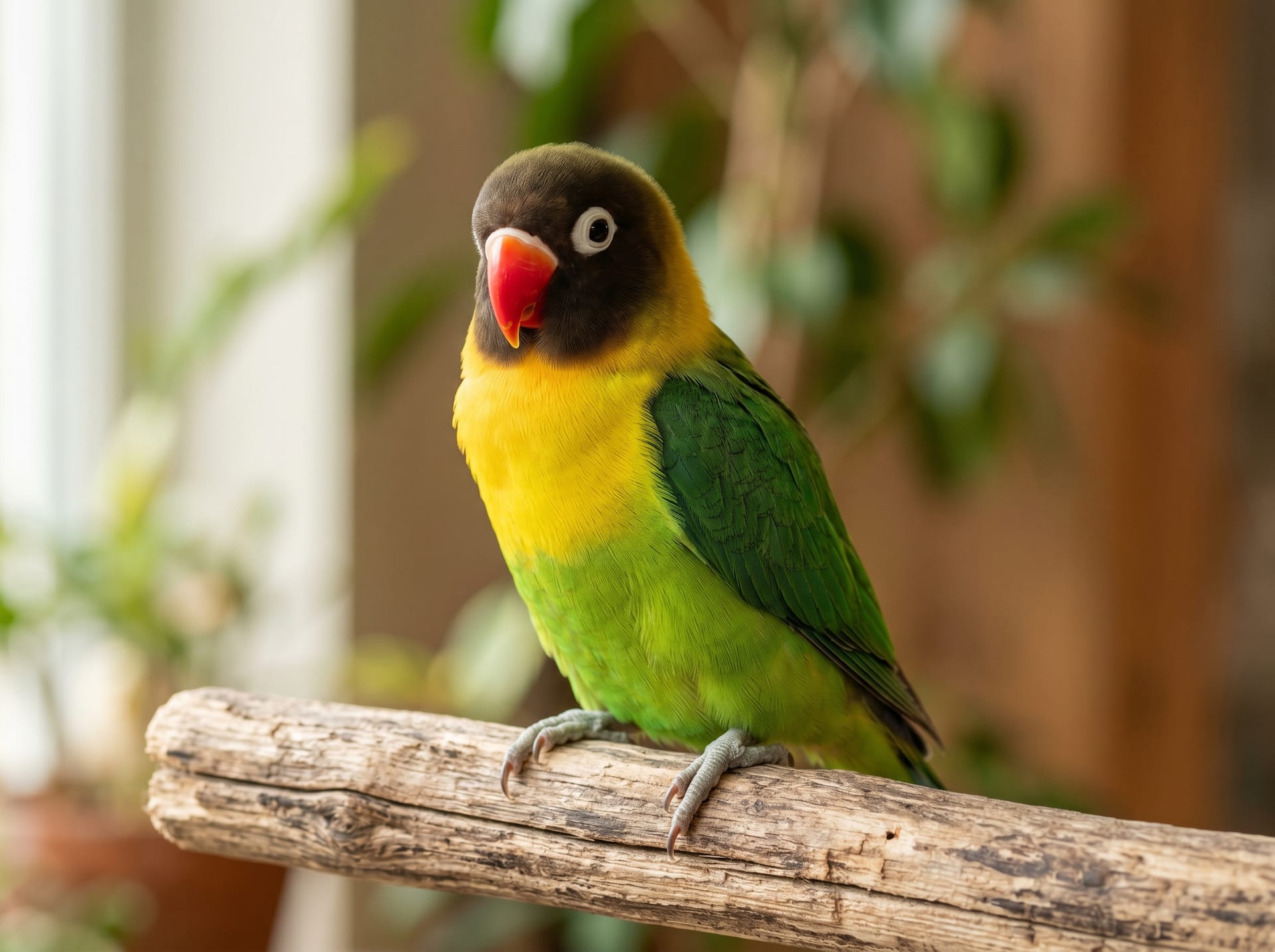
Lovebird (Agapornis personatus)
- Origin: Tanzania
- Body Length: 13-16 cm
- Lifespan: 10-15 years
- Characteristics: Black face and bright green body. Smaller than Peach-faced Lovebirds with a tendency toward lower partner dependency.
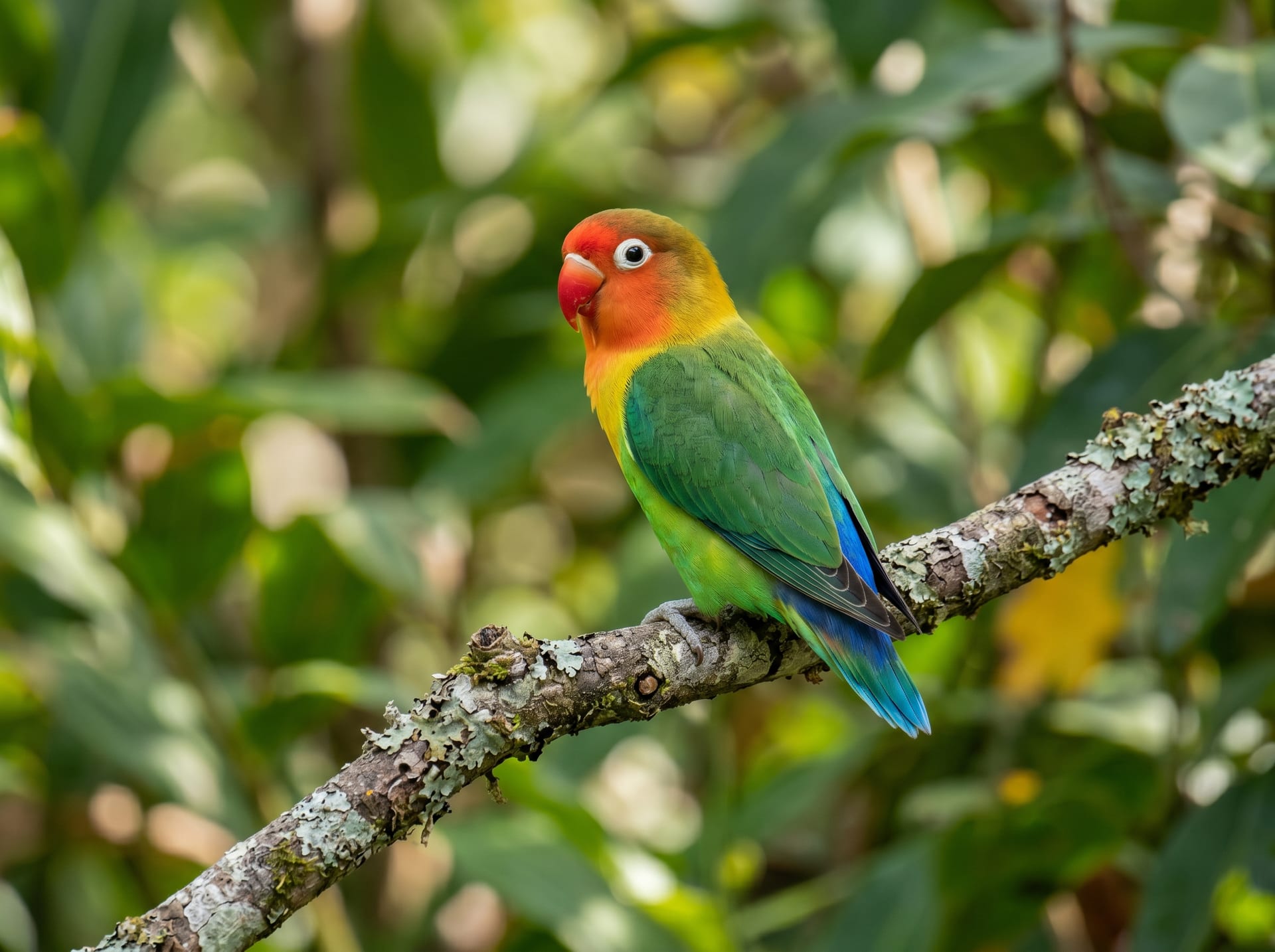
Peach-faced Lovebird (Agapornis roseicollis)
A species of the same Lovebird genus as the Black-masked Lovebird. 15-17 cm in body length with a pink face, it is the most popular Lovebird. In this article, we compare it together with Black-masked Lovebirds under the term "Lovebirds."
Personality Comparison
| Item | Cockatiel | Lovebird (Black-masked & Peach-faced) |
|---|---|---|
| Affection toward humans | ★★★★☆ | ★★★★☆ (once acclimated) |
| Independence | ★★★☆☆ | ★★☆☆☆ (high partner dependency) |
| Aggression | Low | Moderately high (especially during breeding season) |
| Curiosity | Calmly active | Extremely active and challenge-seeking |
Cockatiels are characterized by their calm demeanor and lack of fear toward humans, making them easy to tame to the hand. They express their emotions through their crest, making their feelings easy to read and suitable for beginners.
Lovebirds are extremely active and energetic. While they become deeply devoted to their owner, keeping multiple birds can result in them bonding with each other and becoming wary of humans. Single-bird keeping tends to deepen communication with humans.
Vocalizations & Volume
Cockatiels may emit loud piercing screeches during panic flights (sudden panic and fluttering). Their everyday vocalizations are gentle and chirping, and they often learn to whistle. They rarely cause problems even in apartment settings.
Lovebirds produce high-pitched vocalizations, and Peach-faced Lovebirds in particular have loud voices. During breeding season, they may screech considerably, making soundproofing measures important in some cases.
Taming Methods & Training
Taming a Cockatiel:
- Speak quietly in front of the cage to acclimate them to your presence (3-7 days)
- Persistently offer your finger and repeat the "step-up" command (the action of perching on your finger)
- Repeatedly play whistles and simple melodies to encourage mimicry
Taming a Lovebird:
- Keep a single bird and establish yourself as their bonding partner
- Use positive reinforcement with treats (sunflower seeds, mustard greens)
- Maintain daily hand-perching practice for a set period (wariness returns easily if discontinued)
Breeding Cost Comparison
| Item | Cockatiel | Lovebird |
|---|---|---|
| Purchase price (estimate) | ¥10,000-35,000 | ¥8,000-25,000 |
| Required cage size | 60 cm width or larger recommended | 45-60 cm width |
| Monthly maintenance (food & supplies) | ¥3,000-5,000 | ¥2,500-4,000 |
| Annual veterinary care (estimate) | ¥10,000-30,000 | ¥8,000-25,000 |
Cockatiels, being larger, tend to require bigger cages and more food. Lovebirds, with their smaller size, have slightly lower maintenance costs. However, neglecting breeding season management can lead to egg-laying and egg binding, which increases veterinary expenses.
Which Should You Choose?
| Suitable for these people | Cockatiel | Lovebird |
|---|---|---|
| First-time bird owner | ◎ | ○ |
| Solo living and seeking comfort | ◎ | ◎ |
| Want to maintain a quiet environment | ○ | △ |
| Enjoy active play | ○ | ◎ |
| Want to live together long-term | ◎ (up to 25 years) | ○ |
Both make loving companions with proper care. If you're uncertain, the best approach is to visit a breeder and spend time with the birds directly to confirm compatibility.
Summary
Cockatiels are ideal for those seeking a calm companion with quieter vocalizations for long-term companionship. Lovebirds suit those who enjoy energetic personalities and desire a deep one-on-one bond. Both are small parrots with ample appeal for beginners. Choose based on your living environment and lifestyle.