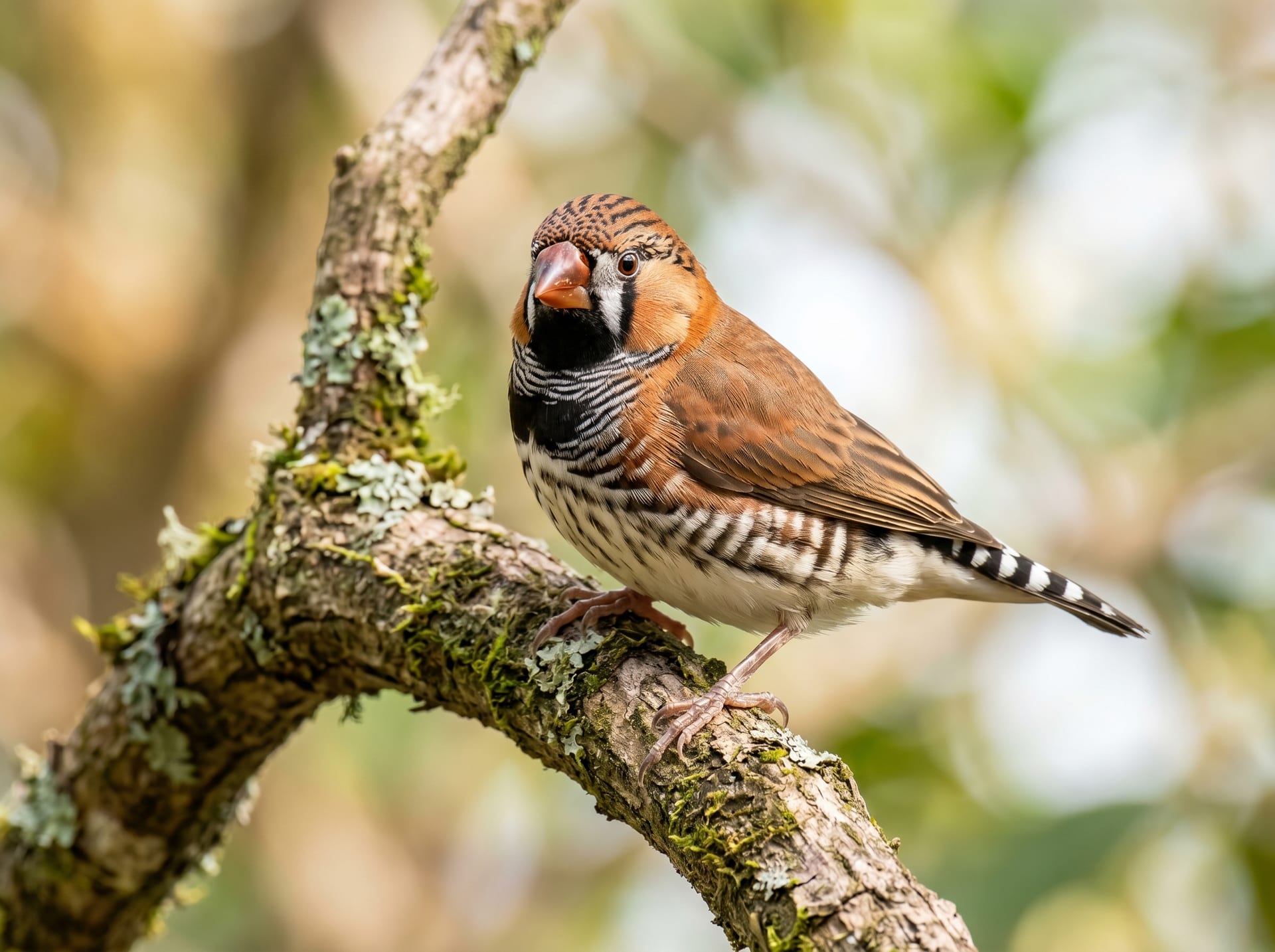
Society Finch / Zebra Finch
Society Finches and Zebra Finches are two of the most beloved small finches among bird keepers, from beginners to experienced enthusiasts. Society Finches are gentle and highly social, thriving when kept in pairs or small groups. Zebra Finches are lively and hardy birds known for the males' cheerful songs, making them an excellent choice for first-time bird owners.
View Society Finch / Zebra Finch encyclopedia →- Price Range
- ¥210,000〜¥210,000
0% commission on your first sales!Register by September 30, 2026 and your first 2 sales are commission-free!
Breeder Wanted!
List on BreederDirect and sell directly to customers nationwide!
Six Transparency Commitments from BreederDirect
All Birds listings include complete Breeder transparency: hand-raised status, DNA sex determination, and health certification details.
- Hand-Raised
- DNA Sex-Determined
- Health Certified
- Origin Disclosed
- Color Variation Specified
- Age in Months Disclosed
Browse all 35 breeds
Care Level
Verified breeders wanted for Birds
Breeders are signing up now ahead of launch. Subscribe to be notified when new listings go live.
Getting alerts is free with a member account. When new listings match your saved search, we'll notify you by email and in-app.
Browse other categories
Verified breeders (preview)
About Society Finch / Zebra Finch
The Society Finch is a domesticated breed developed in Japan during the Edo period and does not exist in the wild. It was selectively bred from the White-rumped Munia over many generations, resulting in a gentle temperament and ease of handling. Measuring around 13cm in length, it comes in a wide variety of color mutations including white, chocolate, and pied. Its highly social nature makes it a capable foster parent, known to incubate and raise eggs of other bird species. The Zebra Finch originates from Australia and is recognized by the male's vivid orange cheek patches and boldly striped chest. Robust and adaptable, it is considered one of the best beginner birds available. Males learn and perform intricate songs, providing constant entertainment. Both species can live five to eight years with proper care, making them long-term companions despite their small size.
7 things to know before welcoming a Society Finch / Zebra Finch
1Keep in Pairs or Groups
Both Society Finches and Zebra Finches are flock birds that can become stressed when kept alone. It is recommended to keep at least two birds together so they can engage in natural social behaviors. When housing different species together, always monitor compatibility carefully.
2Spacious Cage Is Essential
Finches exercise primarily by flying, so a cage at least 60cm wide is ideal to allow free movement. Provide multiple perches of varying thicknesses to prevent foot fatigue. Choosing a cage with an easy-to-clean design will help you maintain good hygiene with minimal effort.
3Temperature Control Matters
Both species are somewhat sensitive to cold, with an ideal temperature range of around 20–28°C. During winter, use a bird-safe heater or panel heater to maintain warmth. Avoid placing the cage in areas with direct airflow from air conditioners, as sudden temperature changes can lead to illness.
4Feed Finch-Specific Seed Mix
A finch-specific seed mix containing canary seed, millet, and other small seeds forms the dietary staple. Since seeds alone can lead to nutritional imbalances, supplement with leafy greens such as komatsuna or bok choy, and egg-based soft foods. Zebra Finches in particular benefit from additional protein during the breeding season.
5Male Zebra Finches Sing Often
Male Zebra Finches are enthusiastic singers and may vocalize frequently, especially in the morning and throughout the day. While their voices are not loud, it is worth considering neighbors in apartment settings. Society Finches are generally quieter, making them a good option for those sensitive to bird noise.
6They Breed Readily — Plan Ahead
Both species breed readily when kept in pairs, and egg-laying can begin even without intentional encouragement. If you do not wish to breed them, avoid providing nesting boxes and consider separating males and females. Society Finches are well known as foster parents for other bird species, so careful management during breeding season is important.
7Schedule Regular Health Checks
Small birds tend to hide signs of illness, and by the time symptoms are visible, the condition may already be advanced. Make it a daily habit to observe appetite, droppings, and feather condition. It is advisable to visit an avian veterinarian once or twice a year, and an initial health check shortly after bringing your bird home is also recommended.
Frequently asked questions about Society Finch / Zebra Finch
- Q.Can Society Finches and Zebra Finches be kept together?
- A.They can sometimes coexist in a sufficiently large cage, but territorial conflicts may arise during the breeding season. Monitor the birds closely during the introduction period and separate them if persistent aggression occurs.
- Q.Is it okay to keep just one bird?
- A.Both species are strongly flock-oriented and are prone to stress when kept alone. Whenever possible, it is better to keep at least two birds together for their well-being.
- Q.How do I tell males and females apart?
- A.Zebra Finch males are easily identified by their orange cheek patches and striped chest markings. Society Finches are visually indistinguishable by sex, so DNA sexing or behavioral observation such as song patterns is typically used for identification.
- Q.Can they be trained to perch on your hand?
- A.Both species generally prefer not to be handled and are not well-suited to hand-taming the way parrots are. They are best appreciated as aviary birds to observe, and building trust through calm, non-intrusive interaction is the most natural approach.
Useful tools for Society Finch / Zebra Finch care
Learn more about Society Finch / Zebra Finch in the encyclopedia
View Society Finch / Zebra Finch encyclopedia entry →
Care difficulty, lifespan, size and diet — all basics covered.
Society Finch / Zebra Finch related articles
Complete Finch Breeding Guide | Breeding Tips for Java Sparrows, Gouldian Finches, and Zebra Finches
Learn finch breeding methods (Java Sparrows, Gouldian Finches, Zebra Finches, etc.). This guide covers nest box types, egg management, incubation, chick rearing, and environmental preparation for breeding season.
Zebra Finch Breeding and Chick Rearing Guide | Practical Steps for Pairing, Egg-Laying, Hatching, and Hand-Feeding
A practical guide for successful Zebra Finch breeding. This guide covers pair selection, nest box setup, incubation management, parent-rearing of chicks, hand-feeding (hand-rearing), common failure causes, and solutions in detail.
Estrildid Finch Flock Care Guide | Management and Breeding of Common Waxbills and Zebra Finches
Detailed guide to flock keeping of Estrildid finches including Common Waxbills, Zebra Finches, and Spice Finches. Covers flight cage sizing and perch placement, seed mixture and supplemental food management, quarantine procedures for introducing new birds, handling territorial disputes, and breeding procedures—all explained for beginners.
Complete Guide to Keeping Zebra Finches and Diamond Doves | Breeding and Flock Raising of Small Birds
Explains how to care for small finches and doves such as Zebra Finches and Diamond Doves. Covers raising methods for pairs and flocks, nestbox installation and egg management, why their quiet calls make them suitable for apartments, and detailed introduction to color mutation varieties.
More in this category
Can't find the one you're looking for?
Post your wishes for free and breeders with matching animals will contact you with introductions.