Lovebird (Fischer's Lovebird & Rosy-faced Lovebird) Pairing Guide
Explains lovebird pairing methods. Introduces how to determine compatibility, sex identification, signs of pair bonding, and important precautions.
Key Takeaways
Explains lovebird pairing methods. Introduces how to determine compatibility, sex identification, signs of pair bonding, and important precautions.
Related Species
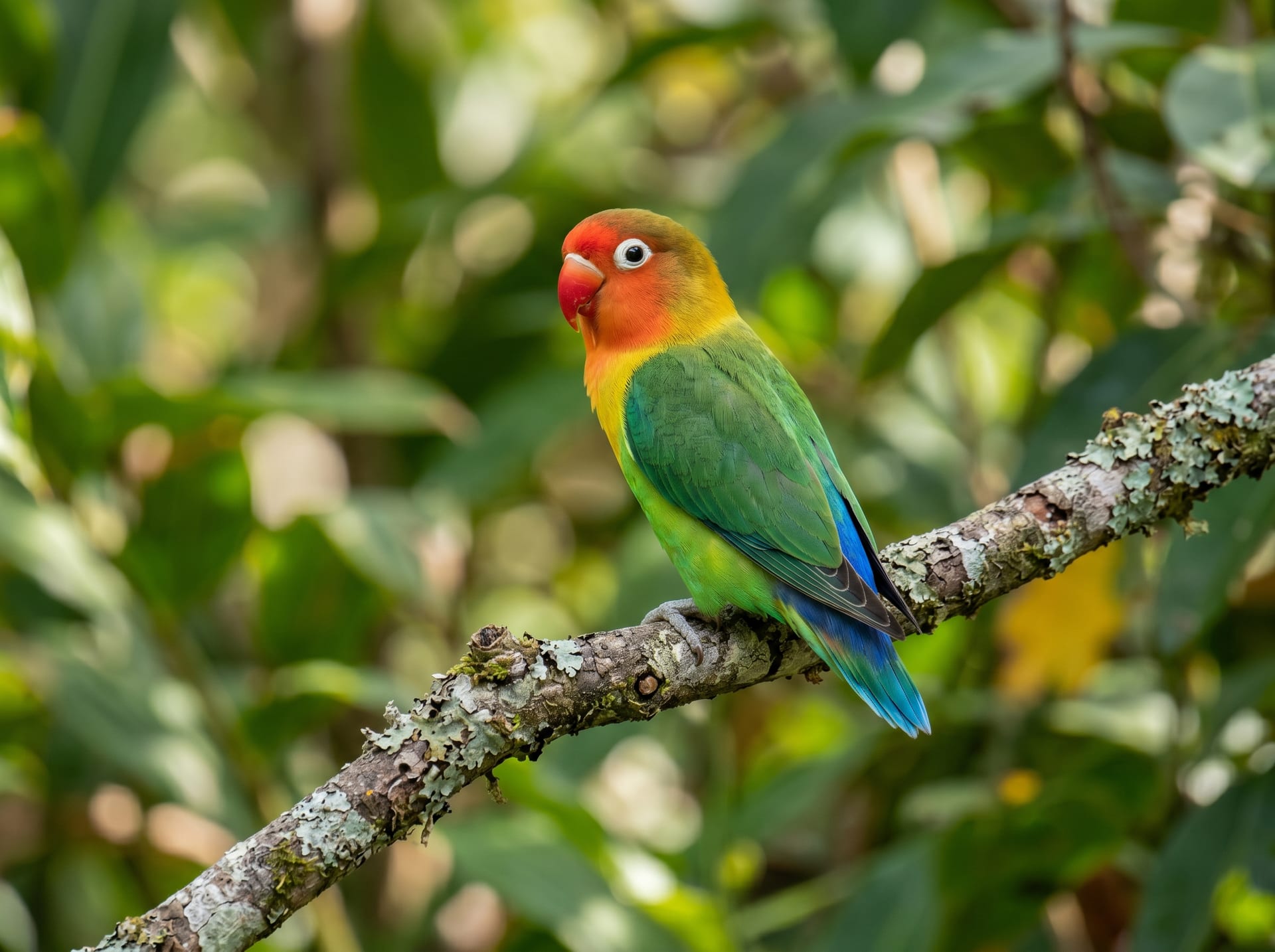
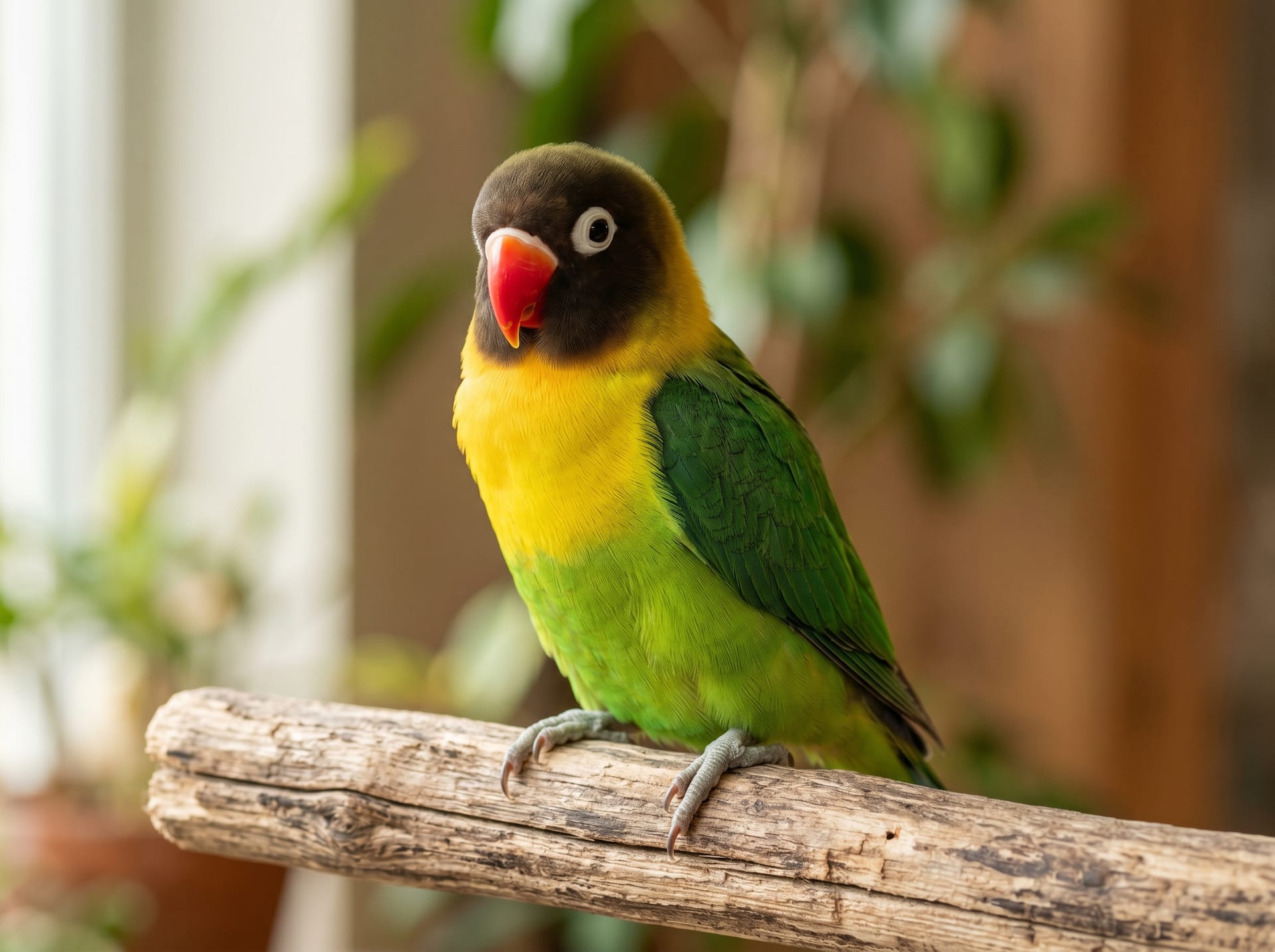
As the name suggests, "lovebirds" are birds with extremely deep affection for their partners. Among lovebirds, represented by Fischer's Lovebirds and Rosy-faced Lovebirds, the pair bond significantly influences the quality of care. While it is sometimes said that they can become tame as a single bird, respecting their natural habits makes pair-keeping the ideal approach.
This article provides a thorough explanation from sex determination to compatibility verification and signs of pair bonding for successful lovebird pairing.
Understanding Lovebird Basics
Lovebirds refer to birds of the genus Agapornis in the family Psittacidae, small parrots native to Africa. The two main species commonly kept as pets are:
- Rosy-faced Lovebird (Agapornis roseicollis): Characterized by pink cheeks and a wide range of color variations. Active and somewhat strong-willed
- Fischer's Lovebird (Agapornis fischeri, etc.): Distinctive white eye-rings around the eyes. Slightly more docile than Rosy-faced Lovebirds
Both species are roughly 15 cm in length and fit in the palm of your hand, but their vitality and energy are extraordinary. Once a pair bond forms, they stay close together, preen each other, and dislike being apart for extended periods. Because of this strong bond, careful and patient pairing is essential. For age-related care differences, see "Lifespan-Stage Care Guide for Pet Birds".
Identifying Bird Sex
Lovebirds are known to be extremely difficult to distinguish by sex through appearance alone. With numerous color mutations (morphs) present, determining sex by plumage is nearly impossible. Use a combination of the following methods:
Pelvic Width Palpation
Females tend to have wider pelvic (pubic) spacing than males in preparation for egg-laying. However, individual variation is significant, and the difference may narrow outside the breeding season, making this method alone unreliable. It's reassuring to have experienced breeders or veterinarians confirm the sex.
Behavioral Observation
Female lovebirds display a characteristic behavior known as nesting material carrying. If you observe them tearing paper or small leaves and tucking them into their tail or back feathers for transport, they are likely female. This behavior is particularly common in Rosy-faced Lovebird females. However, males occasionally exhibit this behavior too, so it cannot be considered definitive.
DNA Testing (Most Reliable)
Currently, DNA testing is the most reliable method for sex determination. It can be performed using shed feathers or blood samples, with costs typically ranging from 3,000 to 5,000 yen per bird. Animal hospitals and pet genetics testing services can conduct the analysis. For those considering pairing for breeding purposes, DNA testing beforehand is strongly recommended.
Pairing Procedure
Lovebirds have strong territorial instincts, and placing them together suddenly in the same cage can result in fierce conflicts. Gradual acclimation is key to success.
Step 1: Side-by-Side in Separate Cages (1–2 weeks)
Start by placing them in separate cages positioned next to each other. The goal is to allow them to become accustomed to each other's presence, voice, and scent without direct contact. During this period, observe whether they show interest and move closer to each other, or display threat displays.
Step 2: Observe Their Reactions
If compatibility is good, you may see the following behaviors:
- Approaching closely as if to snuggle through the cage bars
- Vocalizing softly toward each other (exchanging calls)
- Attempting to offer food to each other
Conversely, if they display aggressive threat displays or attempt to bite through the cage bars, compatibility may be an issue. If the situation doesn't improve after observing for several days, consider pairing with a different individual.
Step 3: Merging in a Neutral Cage
Introduce both birds simultaneously to a new cage (or one thoroughly cleaned) that belongs to neither. If you place one bird into a cage already familiar to the other, the resident bird may become aggressive due to territorial instincts—be careful to avoid this.
Step 4: Close Observation in Initial Phase
Observe closely for 30 minutes to 1 hour immediately after merging. Light chasing and minor squabbles are normal, but immediately separate them if severe attacks with bleeding occur. Forcing cohabitation can cause significant stress and serious injury to either bird.
Signs of Pair Bonding
If the following behaviors appear consistently, it indicates the pair bond is developing:
- Spending increasingly more time on the same perch
- Preening each other's head and neck feathers (allogrooming)
- The male offering food to the female mouth-to-mouth (courtship feeding)
- The female beginning to collect nesting materials (paper scraps, etc.)
- The two birds spending almost all their time together
Courtship feeding is a clear sign of deep pair bonding. The male regurgitates and passes food to the female's mouth—while the appearance may be surprising, this is healthy courtship behavior.
Precautions and Long-Term Care
Pair Only the Same Species
Although Fischer's Lovebirds and Rosy-faced Lovebirds are both lovebirds, avoid cross-species breeding. Hybrids may result, which is undesirable from both ethical and health perspectives. Always pair birds of the same species.
Understand Temperament Differences Between Species
Rosy-faced Lovebirds tend to be somewhat more strong-willed than Fischer's Lovebirds and have stronger territorial instincts. Conflicts are more likely to occur during the early pairing phase with Rosy-faced Lovebirds. Patience and ample time for acclimation are essential. For breeding management after pair formation, the procedures in "Budgerigar Breeding Season Management Guide" for the same parrot family share many common steps and serve as useful reference.
Never Separate an Established Pair
Once a pair bond forms, the connection between the two birds becomes extremely strong. If unavoidable circumstances (illness or death of one partner) force them apart, the remaining bird may experience severe stress or grief. In such cases, enrich the environment and provide ample communication and emotional support.
Pair-Keeping Remains Valuable Even Without Breeding
Even if breeding is not the goal, keeping lovebirds in pairs helps them maintain a stable mental state. With single-bird keeping, the owner must take on the "partner" role, requiring significant time and interaction.
BreederDirect's Safe and Reliable System
BreederDirect is a direct breeder marketplace platform connecting breeders and buyers. For those seeking lovebird pairs, the ability to consult directly with experienced breeding breeders provides significant peace of mind.
- Direct from breeder means reassurance: You can verify the bird's condition and rearing environment directly without intermediaries
- Pre-paired individuals also listed: In some cases, you can purchase pairs that have already been confirmed compatible
- Pre-purchase consultation available: Discuss personality, health status, pair compatibility, and other concerns directly with the breeder
- Diverse color variations: Rare morphs like lutino and pied variants are featured
A life with lovebirds begins with proper pairing. Through BreederDirect, connect with trustworthy breeders and welcome a pair you can cherish for years to come.