Parrot and Parakeet Breeding Season Management Guide | Causes and Solutions for Excessive Breeding
Behavioral changes that occur during breeding season in popular parakeets such as Budgerigars and Cockatiels, and an explanation of the causes and countermeasures for problematic "excessive breeding." This guide introduces daily management practices and environmental adjustment tips to prevent issues such as egg-laying, aggression, and feather damage.
Key Takeaways
Behavioral changes that occur during breeding season in popular parakeets such as Budgerigars and Cockatiels, and an explanation of the causes and countermeasures for problematic "excessive breeding." This guide introduces daily management practices and environmental adjustment tips to prevent issues such as egg-laying, aggression, and feather damage.
Related Species
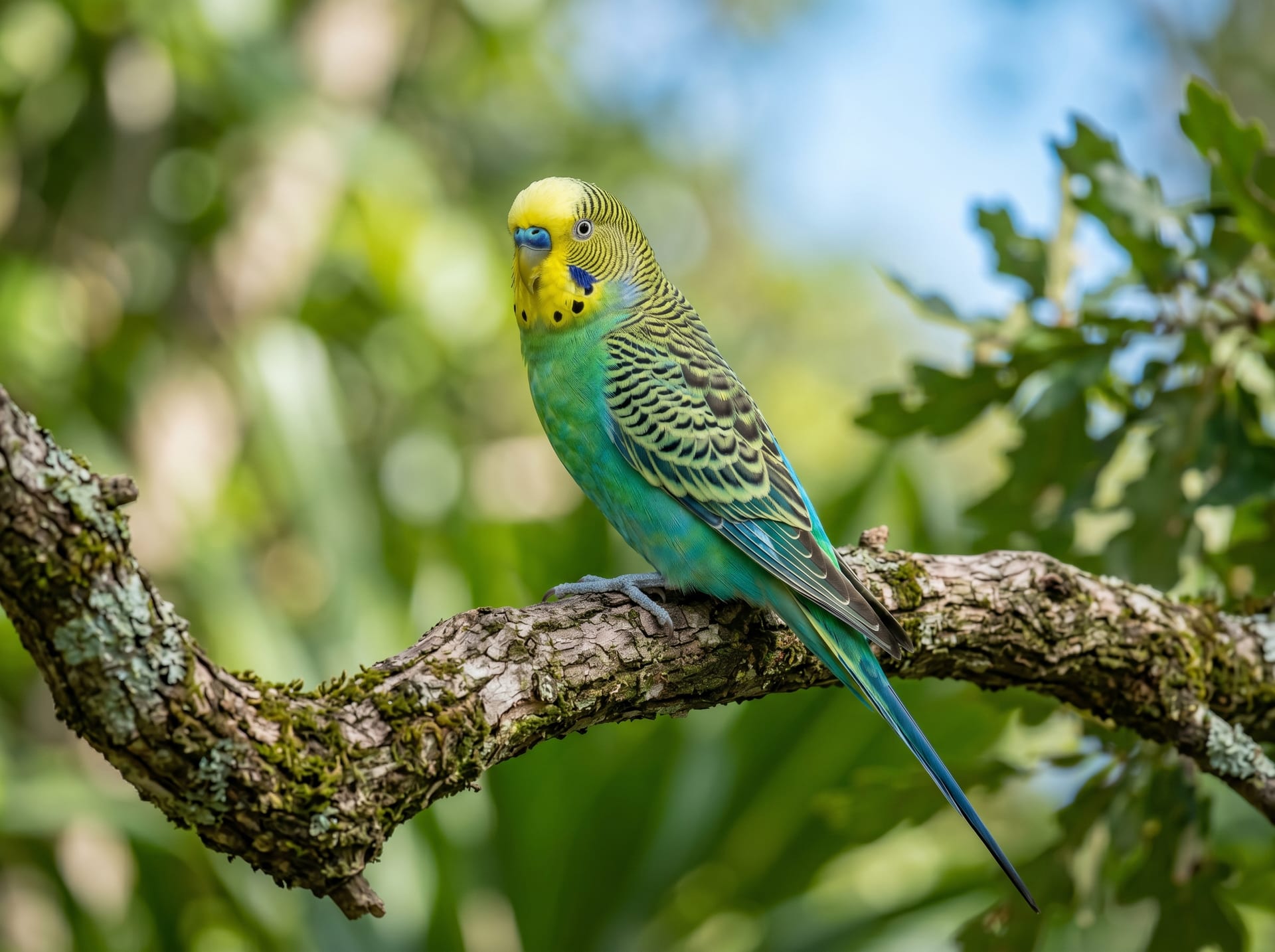
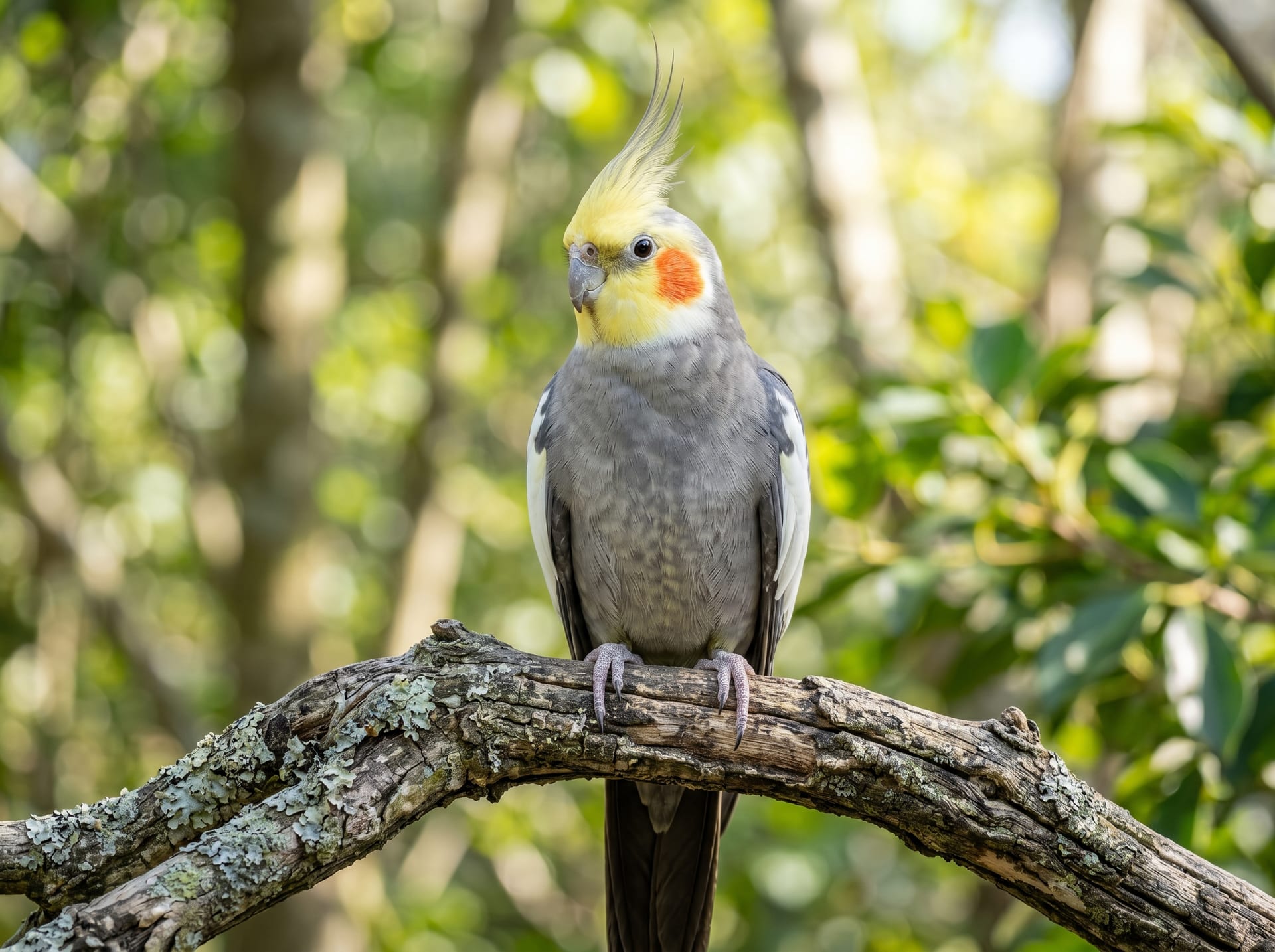
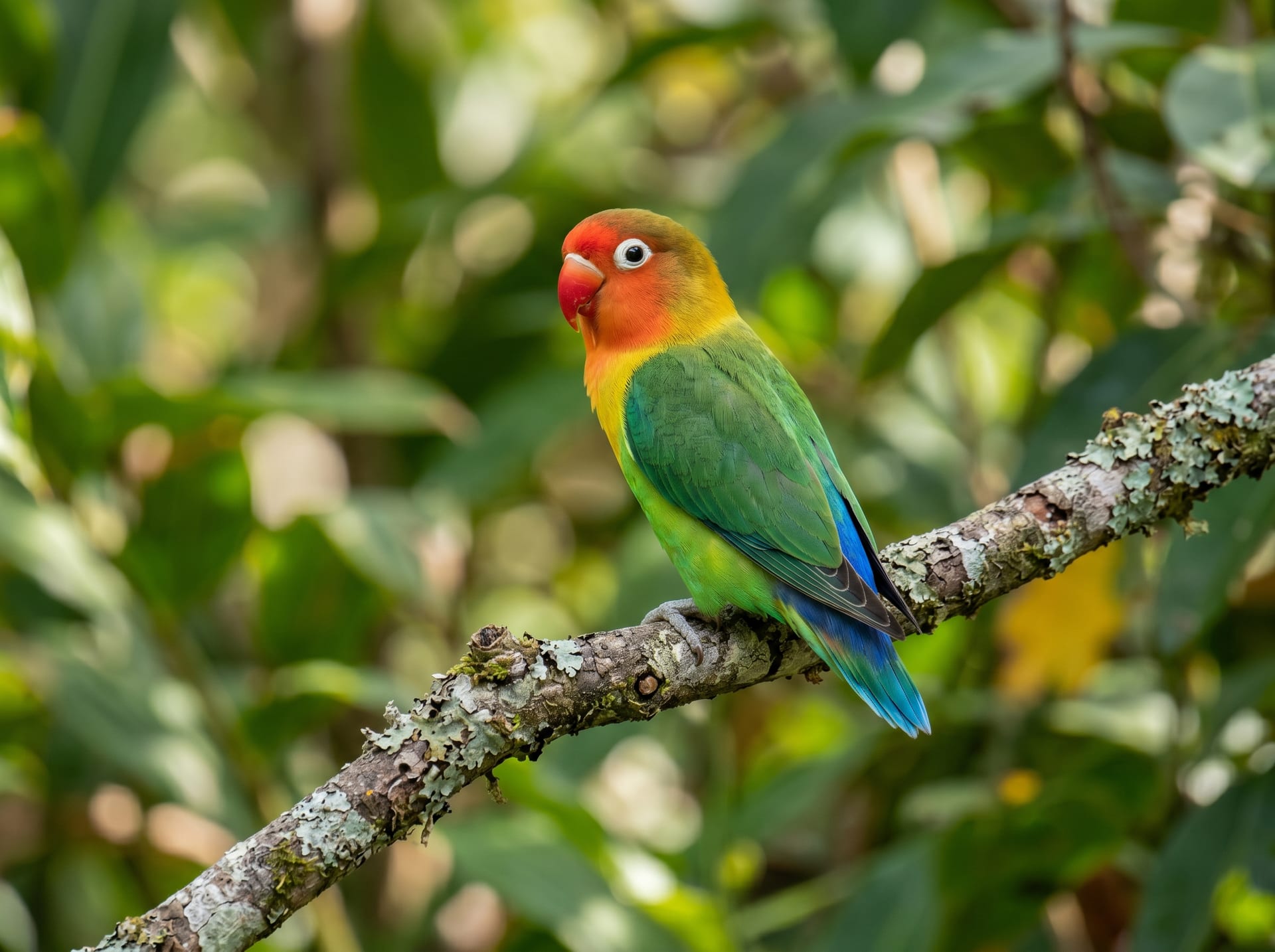
Breeding Season in Parrots and Parakeets
Parrots and parakeets naturally enter a breeding period triggered by climate changes in spring and autumn—changes in daylight hours and rises and falls in temperature. In the wild, this is a physiological change that aligns with breeding seasons occurring once or twice per year, and an appropriate rhythm is maintained physically.
However, birds kept indoors are in a different situation. An environment with stable room temperature, long periods of brightness from artificial lighting, and abundant nutrition causes the bird's body to mistakenly believe it "can breed anytime." As a result, birds are prone to falling into a state of "excessive breeding" where they remain in breeding condition regardless of season.
Excessive breeding is not merely a behavioral issue but can lead to serious health problems, making it essential for keepers to understand and manage it correctly. In particular, excessive breeding in females of small to medium-sized species such as Peach-faced Lovebirds, Budgerigars, and Cockatiels can cause life-threatening problems.
Behavioral Changes Seen During Breeding Season
Catching the behavioral signs of breeding season early is the first step toward appropriate management.
Typical Signs in Females
- Shredding tissue finely and attempting to use it as nesting material
- Hiding in cage corners, dark boxes, under towels, and similar places
- Abdominal swelling or soiling around the cloaca (increases before and after egg-laying)
- Laying unfertilized eggs (egg-laying itself is normal for healthy females, but frequency is the issue)
- Increased nuzzling and affectionate behavior toward specific people or objects
Typical Signs in Males
- Courtship displays with head held low in a proposal-like posture
- Regurgitation to females, the keeper, or toys (courtship feeding)
- Increased territorial awareness and aggression
- Increased vocalization and prolonged loud calling
These are natural physiological responses, but when excessive or chronic, they place significant stress on the bird's body and mind.
Health Risks Caused by Excessive Breeding
When excessive breeding persists over time, the risk of serious illness increases, particularly in females.
Egg Binding: A condition where the bird cannot expel an egg despite attempting to lay it. Defecation becomes impossible, and this is an emergency condition that can result in death within hours to days. The primary causes are calcium deficiency, weakened muscles, and excessive egg-laying fatigue; it is most commonly seen in first-time layers, elderly birds, and underweight individuals.
Hypocalcemia: Calcium is depleted with each egg laid for shell formation. When calcium cannot be replenished sufficiently, neurological symptoms such as muscle spasms and inability to stand appear. Seed-based diets are particularly prone to causing calcium deficiency.
Salpingitis and Peritonitis: Infection within the oviduct or rupture of the oviduct leading to yolk peritonitis, where egg contents leak into the abdominal cavity, is a serious condition that may require emergency surgery.
Psychological Stress and Immune Suppression: Excessive breeding creates chronic hormonal stress in birds, which can lead to weakened immunity, deteriorated feather quality, and self-biting and self-injury.
Environmental Factors That Cause Excessive Breeding
By accurately understanding the causes of excessive breeding in indoor birds, targeted countermeasures can be implemented.
Excessive Daylight Hours: When the bird receives more than 12 hours of daylight per day, its internal clock interprets this as "breeding season." Environments where room lighting continues to shine after evening are a particular concern.
Nest-like Spaces Exist: Dark, narrow, enclosed spaces (gaps in fabric hung on cages, inside drawers, tissue boxes, etc.) strongly stimulate the urge to lay eggs. Not installing a nest box is the basic countermeasure.
Touch That Promotes Breeding: Stroking the back, lower back, wing base, belly, and cloaca area mimics mating behavior and acts as a stimulating trigger. Limit physical affection to the head, cheeks, and neck area.
High-Calorie, High-Protein Diet: Offering large amounts of sunflower seeds or safflower seeds results in excess fat and protein intake, causing the body to conclude "there is sufficient nutrition for breeding." Transitioning from seed-dependent diets to pellet-based diets is a fundamental solution.
Mirrors and Toys That Trigger Breeding: Some birds recognize their reflection in mirrors as a mate. Removing mirrors and plush toys that easily become breeding targets during periods of strong breeding behavior is also effective.
Specific Countermeasures for Excessive Breeding
Cases where excessive breeding is significantly improved simply by reviewing the environment are not uncommon. Implement the following measures in combination.
Light Management (Most Important): Ensure a dark period and limit daylight to 10 hours or less per day. Use a light-blocking cage cover and ensure the bird goes to sleep by 8-9 PM. Also be careful not to allow too much natural light in the morning.
Provide Regular Environmental Changes: Changing the cage location, rearranging perches, rotating toys, and similar "changes" have the effect of temporarily resetting breeding motivation. Even small weekly changes make a difference.
Reduce Room Temperature Slightly: Maintaining temperatures in the range of 22-25°C, particularly keeping nighttime temperatures slightly lower, helps suppress excessive breeding. An environment that is constantly too warm continuously sends signals that breeding season is ongoing.
Using Dummy Eggs: When a bird lays eggs, many will immediately attempt to "lay again" if the eggs are removed right away. By placing store-bought dummy eggs (plastic) instead of the real eggs, you can satisfy the incubation desire while suppressing excessive egg-laying. After the incubation period (10-30 days depending on species) passes, interest naturally fades.
Review Diet: If sunflower seeds are the main diet, transition to pellet-based feeding and supplement with fresh vegetables (such as mustard greens and bok choy) as side foods to provide calcium. Especially before and after breeding season, pay particular attention to low-fat, low-protein diet composition.
When to Consult an Avian Veterinarian
If excessive breeding does not improve with environmental changes alone, or if symptoms of egg-laying problems have already appeared, consultation with an avian veterinarian (experienced with exotic animals) is essential.
Medical approaches include egg-laying suppression treatment using hormone injections (GnRH agonist formulations) or oral hormone medications as options. These have temporary effects and can be effective in reducing the burden on birds with chronic excessive breeding.
If egg binding is suspected (round, swollen abdomen, no droppings, sitting on the floor, rapid breathing), the situation is particularly urgent, and veterinary consultation within 24 hours is recommended.
Managing breeding season is one of the most important topics that determines the bird's healthy lifespan. Making daily observation a habit and not overlooking changes in behavior and physical condition is the foundation for living long and healthily with birds.