Cockatiel Complete Training Guide | Hand Training, Music, and Step-Up Training Methods
Detailed explanation of Cockatiel hand training, teaching whistling, and step-up training basics. We also cover daily care and health management tips.

Key Takeaways
Detailed explanation of Cockatiel hand training, teaching whistling, and step-up training basics. We also cover daily care and health management tips.
Related Species
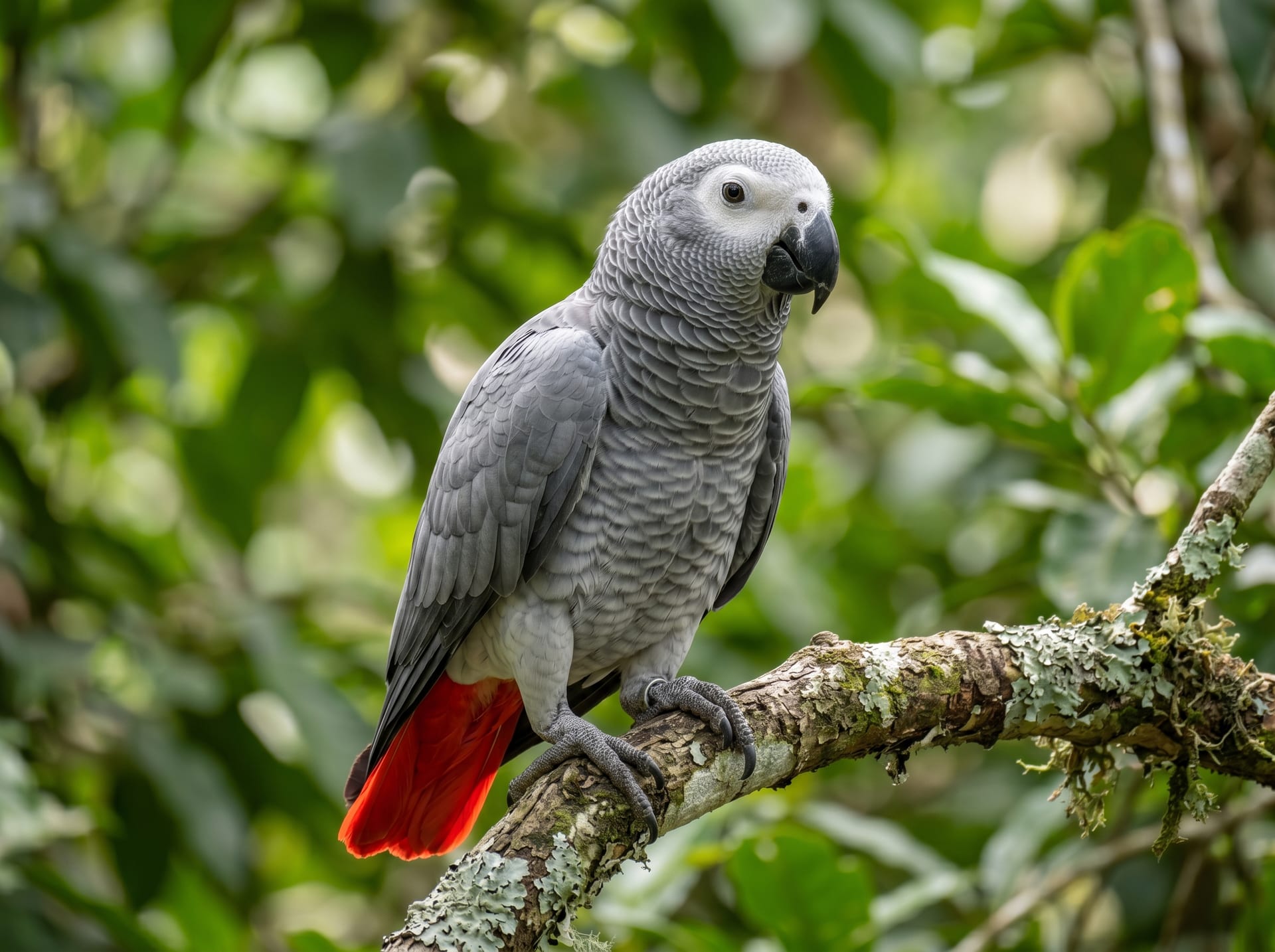
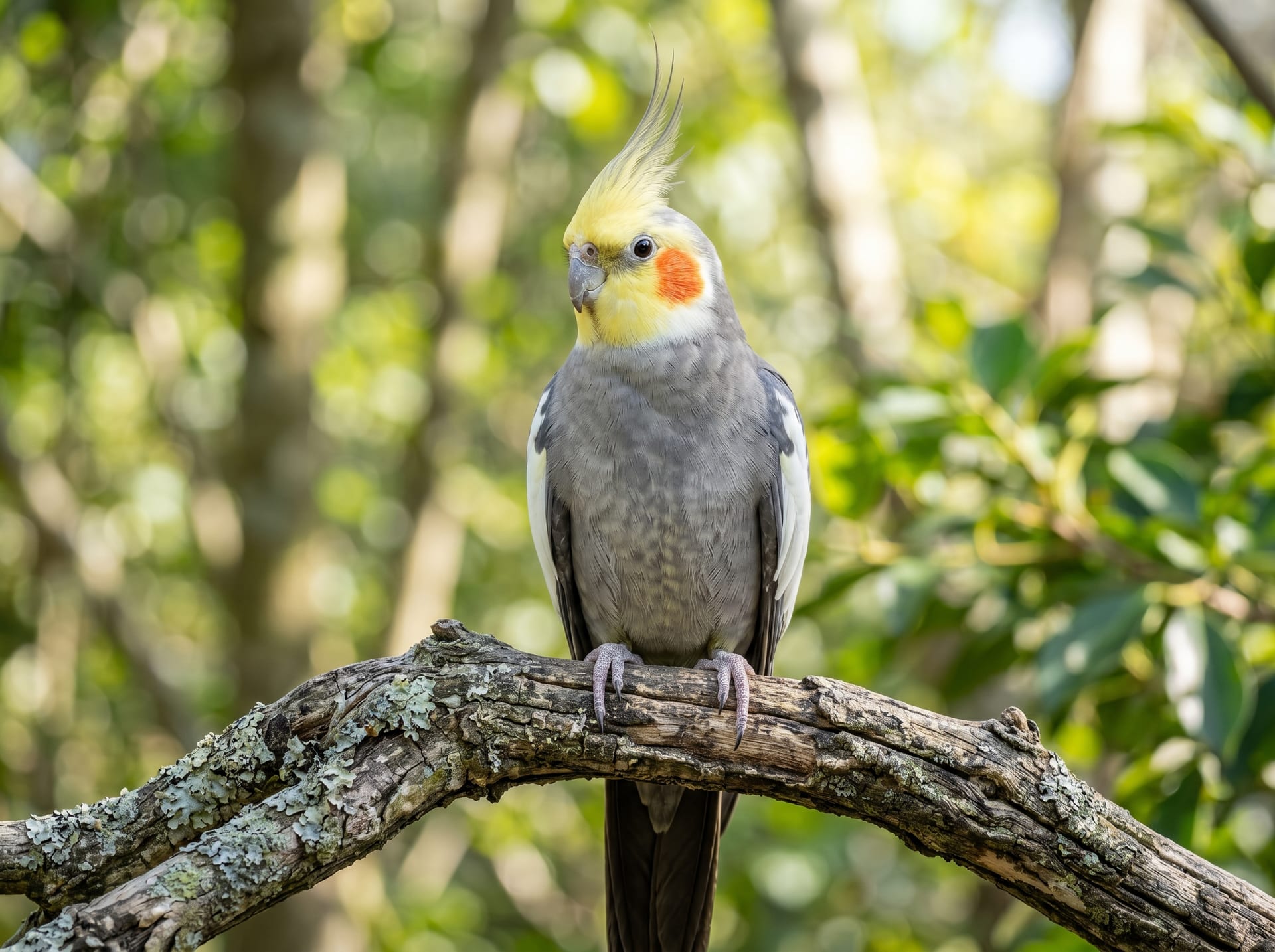
Cockatiels are particularly easy to raise among birds and are known for their emotional richness and affectionate nature, making them popular with both beginners and experienced bird keepers. This article provides comprehensive coverage of Cockatiel training (hand training, singing and whistling, and step-up training) from basics to advanced techniques.
Cockatiel Learning Ability and Characteristics
Cockatiels are parrots in the Psittacidae family with excellent companion bird characteristics.
Learning and Cognitive Features
- Musical Talent: Particularly male individuals have a high ability to mimic whistles and melodies
- Emotional Expression: Express emotions through crest movements
- Social Bonding: Form deep bonds with humans and other cockatiels
- Territorial Awareness: Show strong attachment to specific locations
- Mimicry Ability: Males are better at imitating speech and whistles than females
Hand Training Basics
Hand training is the first step in building trust between your cockatiel and owner.
Preparation and Mindset
Training Prerequisites:
- Begin only after the bird has adjusted to its new environment (cage) for at least 1-2 weeks
- Train at the same time every day
- Keep each session to 5-10 minutes (end before the bird gets tired)
- Never force or chase
Required Items:
- Rewards (things cockatiels love): millet spray, foxtail millet, sunflower seeds
- A quiet, calm environment
- Patience
Step 1: Acclimate the Bird to Your Hand
Start by simply introducing your hand inside the cage.
- Slowly open the cage door and quietly place your hand inside
- If the bird flees, don't chase—keep your hand still
- Keep your hand inside for 1-2 minutes, then withdraw it
- Repeat daily
Once the bird no longer flees at the sight of your hand, proceed to the next step.
Step 2: Perch Training (Step-Up)
Gently press your index finger against the cockatiel's belly and apply upward pressure.
- Bring your finger close to the bird's perch (or cage floor)
- Use a consistent command such as "Step-Up" or "Come here"
- Gently press your finger against the bird's chest
- Once the bird steps up, immediately reward it with praise like "Good boy/girl"
- After the bird steps up, keep it there quietly for a moment
Start with just a few seconds. Gradually increase the duration.
Step 3: Handling Outside the Cage
Once step-up training is stable inside the cage, transition to practice outside.
Important Precautions:
- Close all windows and doors (prevent escape)
- Turn off ceiling fans
- Isolate other pets (cats, dogs) in another room
- Prepare a non-slip surface and cushioned flooring (to cushion any falls)
Whistling and Singing Training
Differences Between Males and Females
Generally, males have higher ability to mimic speech and whistles, while females often struggle with mimicry (though exceptions exist). Male cockatiels inherently sing for courtship, so they are said to have high learning ability.
Steps to Teach Whistling
Basic Approach:
- Train during times when the bird is relaxed (morning and evening are common)
- Start with simple melodies (2-3 note repetitions)
- Repeat the same melody daily (consistency is crucial)
- Immediately praise the bird when it attempts to mimic
- Move to the next melody only after the first one is established
Recommended Starting Melodies:
- 2-note repetitions (e.g., Sol-Sol, Mi-Mi)
- The opening notes of famous nursery rhymes
- Recall whistles (used when you come home so the bird learns to recognize you by sound)
Teaching Speech
Some individual cockatiels can mimic human language, though they don't have as large a vocabulary as parrots or macaws.
Effective Approach:
- Start with single words or short phrases ("Hello," "Polly," etc.)
- Speak with emotion (emotionless repetition is less likely to be mimicked than expressive speech)
- Use in natural situations (say "Hello" when approaching the cage)
- Female voices tend to be learned more easily
Cockatiel Care and Health Management
Daily Care Tips
Diet Management:
- Primary Food: Specialized pellets or seed mix (70-80%)
- Secondary Food: Fresh vegetables (bok choy, Chinese mustard greens, broccoli) and fruit (small amounts)
- Foods to Avoid: Avocado, chocolate, onions and scallions, alcohol, coffee
- Calcium Supplementation: Provide cuttlebone (crushed oyster shell) continuously
Water Management:
- Change to fresh water daily
- Many individuals enjoy bathing (use a mist bottle or shallow dish once or twice weekly)
Cage Management:
- Clean the cage bottom daily
- Full cage cleaning once per week
- Regularly replace and clean perches
Health Signs and Symptoms to Watch
Signs of a Healthy Bird:
- Active movement and curiosity
- Feathers lie flat against the body without puffing
- Bright eyes
- Regular eating and droppings
Warning Signs (Consult a Veterinarian):
- Feathers puffed up and rounded posture (sign of temperature regulation, indicating illness)
- One or both eyes closed
- Nasal discharge or eye discharge
- Vomiting or undigested droppings
- Sudden changes in vocalization or becoming quiet
Managing Panic (Night Fright)
Cockatiels are known to panic at night, a phenomenon called "night fright."
Causes: Sudden sounds, car headlights, dreams (?), etc.
Preventive Measures:
- Cover the cage to create a calming darkness
- Install a night light (dim constant light source) near the cage
- Avoid making sudden noises near the cage at night
Summary
The key to cockatiel training is patience and consistency. Regular interaction, even for short periods each day, builds trust over time until your cockatiel learns to mimic whistles and relax comfortably on your hand.
The most important principle is "never force" and "teach through praise." Birds experience stress and fear just like humans. By building positive experiences, your cockatiel will grow into a more expressive and trusting bird.