Cockatiel Care Guide
Cockatiels are the second most popular pet bird. Covers cage setup, diet, communication methods, understanding crest signals, and common health issues.

Key Takeaways
Cockatiels are the second most popular pet bird. Covers cage setup, diet, communication methods, understanding crest signals, and common health issues.
Related Species
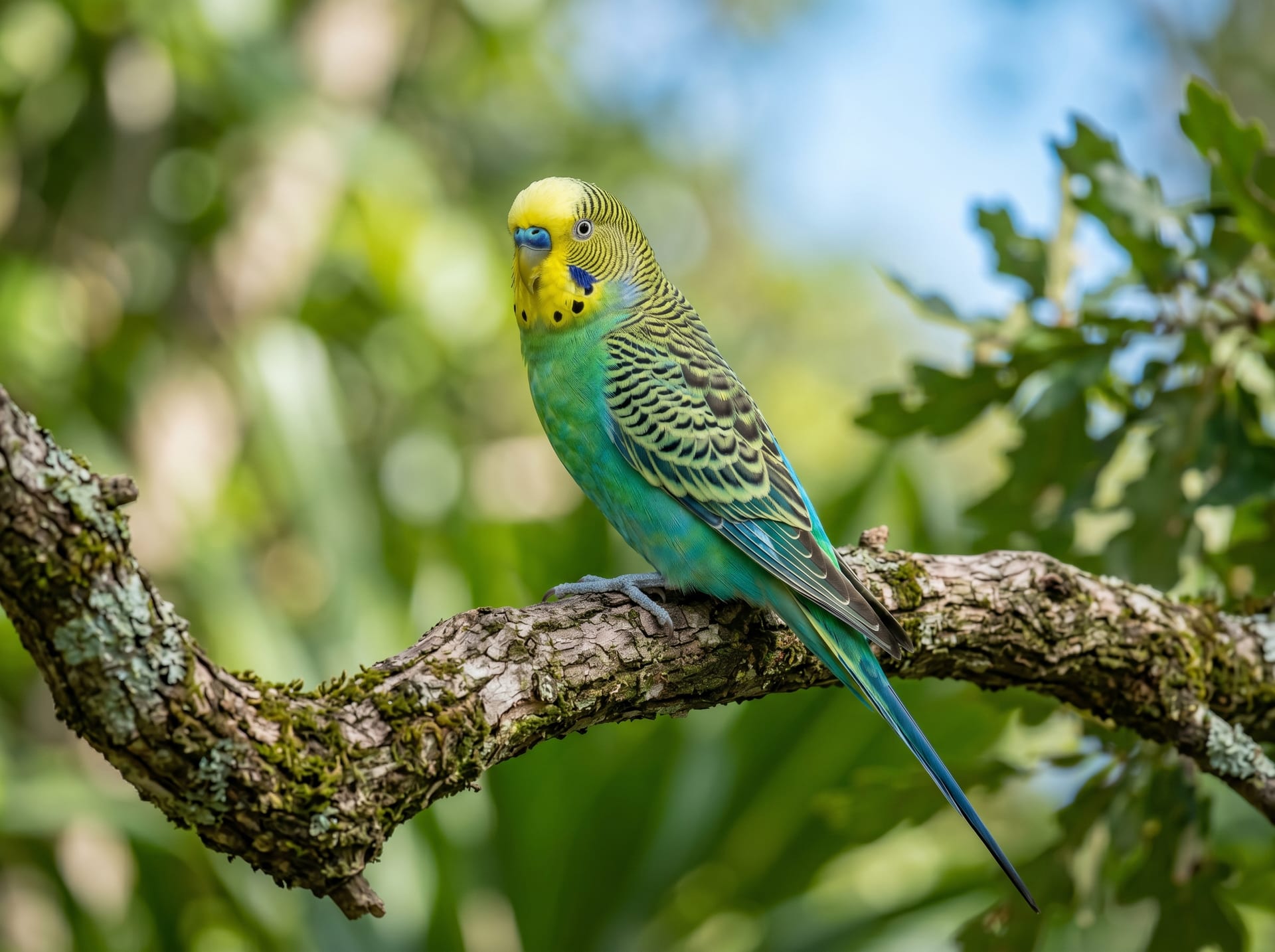
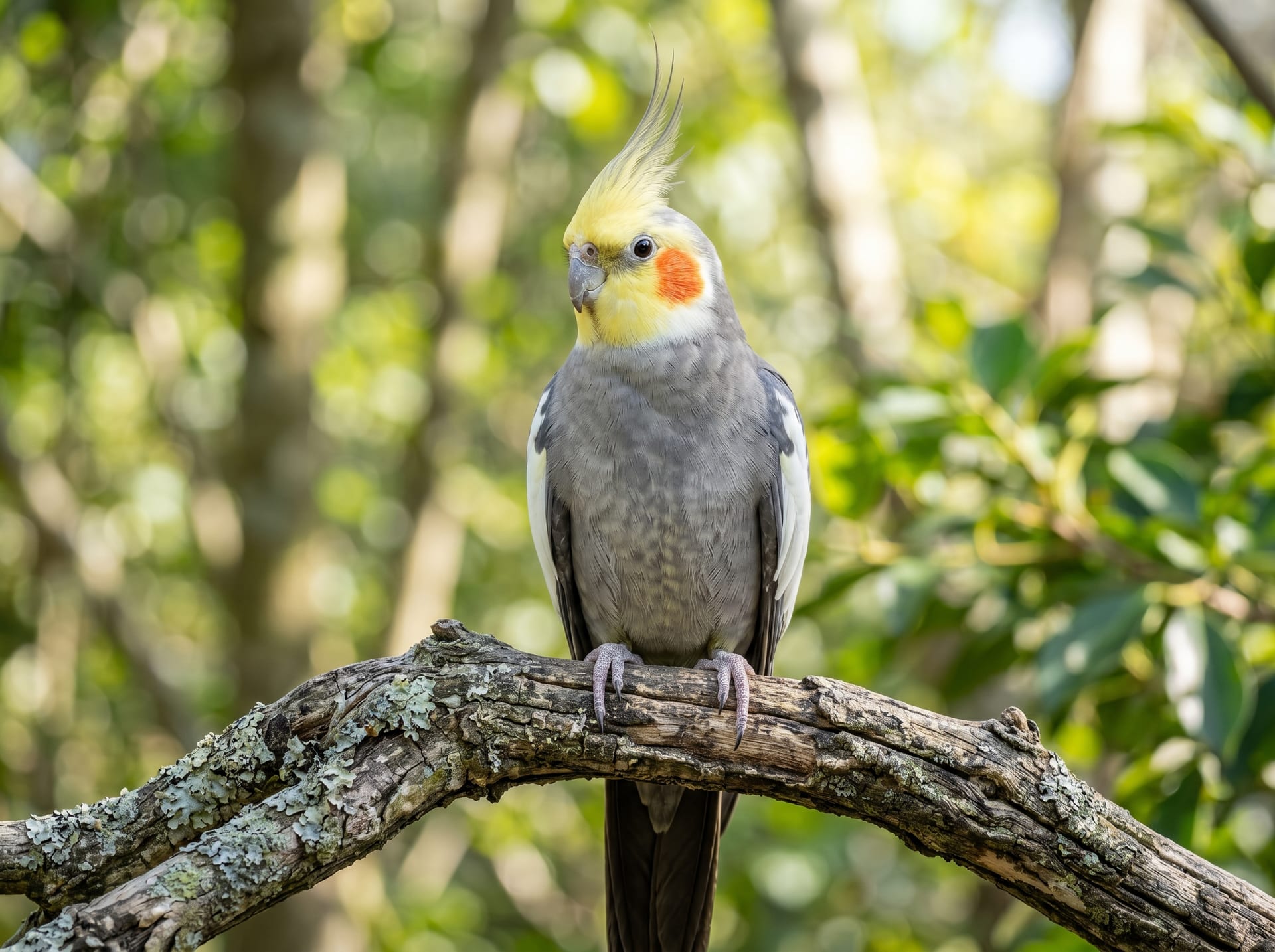
The Cockatiel (Nymphicus hollandicus) is a medium-sized parrot native to Australia, distinguished by its distinctive head crest and round orange cheek patches on both sides. Due to its gentle temperament and natural friendliness toward humans, it ranks alongside budgerigars as one of the most popular pet birds worldwide. This article provides a detailed guide to cockatiel care fundamentals.
Basic Cockatiel Information
- Origin: Australia (arid interior regions)
- Body Length: 30–33 cm (appears larger due to feather volume making up half its size)
- Lifespan: 15–25 years (long-lived birds; many individuals exceed 20 years)
- Diet: Herbivorous (grains, seeds, vegetables, fruits)
- Temperament: Gentle, affectionate, sensitive
Cockatiels are highly emotional birds with a strong tendency to bond closely with their owners. They can be prone to loneliness, so communication is especially important when keeping a single bird.
Essential Care Equipment
Cage Size A minimum size of 60 cm × 45 cm × 60 cm or larger is essential. Cockatiels are larger than budgerigars and need sufficient space for wing stretching without obstruction. Large horizontal cages or bird enclosures are recommended.
Perches A diameter of approximately 1.5–2 cm is ideal. Natural wood (citrus, cherry, birch, etc.) helps maintain foot health. Install multiple perches at varying heights within the cage.
Cage Placement Placing the cage in a corner near a wall reduces anxiety from threats from behind. Avoid direct sunlight, air conditioning drafts, and cigarette smoke.
Diet and Nutrition Management
Pellets vs. Seeds Like budgerigars, cockatiels ideally should have nutritionally balanced pellets as their primary diet. Cockatiel-specific pellets are commercially available. Seeds alone tend to create imbalances in fat and protein content, increasing the risk of obesity and fatty liver disease.
Seed Mix Offer mixed seeds containing millet, canary seed, panic grass, and sunflower seeds as supplementary food. While hemp seeds are highly palatable, limit quantities due to high fat content.
Vegetables and Fruits Bok choy, Chinese broccoli, regular broccoli, corn, and carrots are suitable. Never feed avocado, scallions, onions, or chocolate.
Cuttlebone Attach to the cage to supplement calcium and support beak maintenance.
Understanding Emotions Through Crest Feathers
The cockatiel's distinctive crest serves as an emotional barometer.
- Raised (high): Excitement, interest, alertness
- Lowered (flat): Relaxation, contentment, pre-sleep
- Nearly vertical: Strong excitement, alertness, or fear
- Flattened forward with spread: Intimidation or courtship display
By combining vocalizations, body posture, and crest position, you'll develop the ability to understand your bird's emotional state.
Managing Cockatiel Panic (Night Frights)
Cockatiels may exhibit a behavior known as "cockatiel panic" or "night frights." This involves the bird suddenly panicking and thrashing within the cage at night, risking bone fractures and wing damage.
Causes
- Sudden loud noises or lights
- Moving shadows
- Outdoor bird sounds
- Moonlight and shadows
Prevention Strategies
- Cover the cage at night (keep it completely dark)
- Provide a dim night light (reduces moving shadows)
- Minimize protruding objects inside the cage
- Soundproofing measures
Common Illnesses and Health Signs
Signs of a Healthy Cockatiel
- Crest feathers respond appropriately to situations
- Stable body weight
- Feathers are neat and well-groomed
- Strong appetite
- Bright, alert eyes
Diseases Requiring Attention
- PDD (Proventricular Dilatation Disease): Vomiting, appetite loss, weight loss. Viral disease.
- Reproductive diseases (excessive egg-laying, egg binding): Particularly concerning in females
- Chronic feather disorders (beak and feather disease): Often caused by viral infection or nutritional deficiency
Regular Checkups Annual or biannual checkups with an avian veterinarian are recommended.
Conclusion
Cockatiels can be partners for 20+ years—emotional birds that form deep attachments. By providing solid basic care and prioritizing daily communication, you can build a strong bond of trust. We recommend preparing thoroughly and welcoming your cockatiel with the commitment to a long-term partnership.