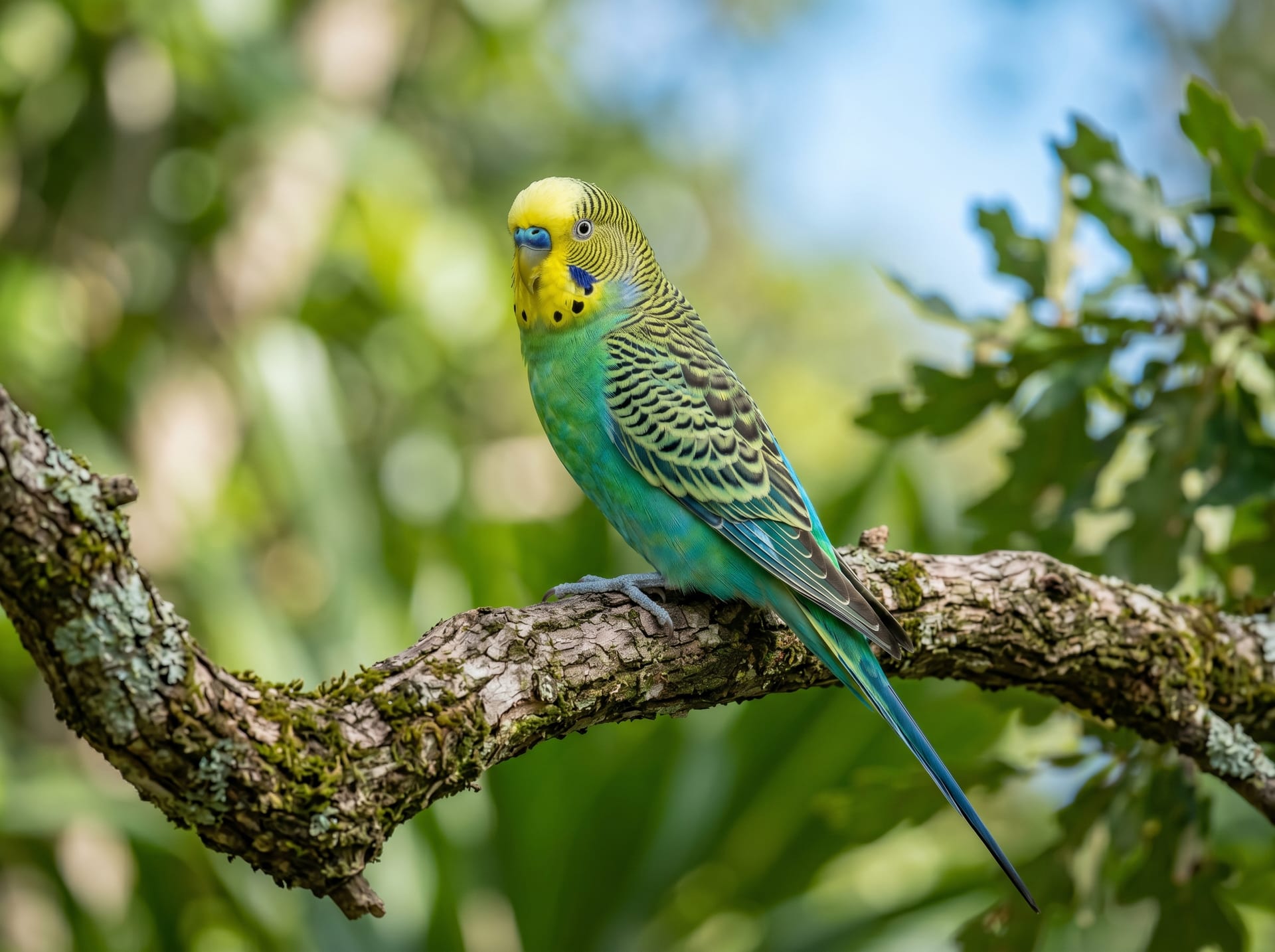
Budgie Care Guide for Beginners | Basic Care Instructions for Peace of Mind
Budgies are a popular and beginner-friendly small bird. This guide covers the basics—cage, food, temperature, health management—and explains how to tame them and teach them to talk.
Key Takeaways
Budgies are a popular and beginner-friendly small bird. This guide covers the basics—cage, food, temperature, health management—and explains how to tame them and teach them to talk.
Before You Start Living with a Budgie
Budgies are among the most commonly kept birds in Japan, captivating many people with their colorful plumage, adorable calls, and talking ability. Native to Australia, they are highly social animals that live in flocks in the wild. They measure 18–20 cm in body length, with an average lifespan of 7–10 years, though individuals with proper care can live 15 years or more.
✍️
BreederDirect Editorial
The BreederDirect editorial team specializes in care information for animals, covering veterinary care and breeding to deliver beginner-friendly guides.
Find Birds on BreederDirect
Buy directly from verified breeders
Browse Related Listings
Find Birds listings related to this article on BreederDirect. Buy directly from verified breeders.
While hardy and relatively easy to care for, daily maintenance and health management are essential. If you bring one home thinking "it's just a small bird, so it will be easy," you may encounter unexpected challenges. This article systematically explains cage setup, diet, health management, and taming for first-time budgie owners.
Setting Up Your Budgie's Environment
Choosing a Cage
Provide a cage measuring at least 35 cm wide × 35 cm deep × 50 cm tall. Budgies are active climbers and flyers, so a larger cage is ideal. Horizontal (wide-type) cages allow them to climb and grip the walls, making them well-suited to this species. Choose mesh spacing of 1 cm or less to prevent accidents where beaks or feet get caught.
Perches: Selection and Placement
Install 2–3 perches inside the cage. Commercial plastic perches with uniform thickness alone can create monotonous pressure on the footpads, potentially leading to bumblefoot (plantar pododermatitis) over time. Combining natural wood branches 1–1.5 cm in diameter (from safe species like cherry, apple, or mulberry) balances muscle use and promotes healthier feet. Varying the height of perches adds the fun of hopping between them.
Toys and Environmental Enrichment
Budgies are intelligent birds, and boredom can lead to behavioral problems such as cage chewing, excessive vocalization, and feather plucking. Provide swings, mirrors, chew toys, and foraging toys, rotating 2–3 items regularly. Budgies quickly tire of the same toy, so rotating them weekly is effective.
Diet and Nutrition Management
Pellets and Seeds: Finding the Balance
The ideal staple diet is pellets (complete balanced food). They contain calculated amounts of vitamins, minerals, and protein, preventing vitamin A and calcium deficiencies common with seed-only diets. However, many budgies prefer seeds and may stop eating if switched entirely to pellets at once. A practical approach is to start at a 3:7 ratio of pellets to seeds and gradually shift toward 7:3 pellets over several weeks.
Vegetables and Fruit
Offer dark leafy greens such as Chinese mustard greens, bok choy, broccoli, carrots (including greens), and pea shoots 3–4 times weekly. These provide vitamin A and calcium. Give fruit only 1–2 times per week in small amounts due to high sugar content.
It is critical to remember which foods are toxic: avocado, onion family members (onions, spring onions, chives), chocolate, alcohol, raw potatoes (especially sprouts and skins), and caffeine. Even small amounts can cause life-threatening poisoning.
Water Management
Change water daily with fresh water. Water dishes harbor bacteria easily, so clean and dry the container thoroughly 2–3 times weekly. A bottle-type waterer is recommended for easier hygiene maintenance.
Temperature and Humidity Management
Budgies thrive at temperatures between 20–28°C and humidity of 40–60%. They are sensitive to sudden temperature changes, so place the cage away from direct air conditioning flow.
Winter Care
Cover the entire cage with a thick blanket at night for insulation. If daytime room temperature drops below 18°C, install a panel heater or heat lamp (around 60W) inside the cage. The key is creating "warm and cool zones" so the bird can regulate its body temperature and have an escape route.
Summer Heat Prevention
When temperatures exceed 30°C, heat stress risk rises sharply. Use air conditioning to keep room temperature at 28°C or below, and place the cage away from direct sunlight. If you notice heat stress signs—open-mouthed panting or drooping wings—move the bird to a cool location immediately and consult a veterinarian.
Taming and Building Your Relationship
The First Week Home
A newly arrived budgie experiences significant stress. For the first few days, avoid handling; simply speak quietly through the cage bars. Repeatedly calling its name so it recognizes your voice as safe is the priority.
Steps to Hand-Training
① Once the budgie stops fleeing when you put your hand in the cage, offer millet or another preferred seed in your open palm. ② When it eats from your hand, offer your finger as a perch. ③ Increase time gradually day by day without rushing. Never scold or chase; the bird will learn "hands = danger" and set back your progress. Stay calm even if attempts fail.
Daily Out-of-Cage Time
Set aside 15–30 minutes daily for "out-of-cage time," letting your budgie fly freely. This is your greatest opportunity to deepen your bond. Close all doors and windows during this time, and remove hazards beforehand—hot cookware, spinning fans, containers of water, and anything else that could cause injury.
Health Management and Warning Signs
Daily Observation Checklist
Make it a habit to check these daily: appetite changes, droppings (color, volume, consistency), feather fluffiness, any discharge from eyes or nostrils, and body weight (weigh weekly on a kitchen scale). Budgies instinctively hide illness, so visit a veterinarian if anything feels even slightly off.
Common Health Issues
Megabacteriosis (AGY disease): A fungal infection of the digestive tract. Symptoms include weight loss, regurgitation, and loss of appetite. Early detection allows for antifungal treatment.
Feather Plucking: Caused by stress, malnutrition, or skin disease; the bird pulls out its own feathers. Address it through environmental improvements and dietary adjustments, plus veterinary diagnosis.
Sinusitis and Respiratory Infection: Sneezing, nasal discharge, or voice changes warrant prompt veterinary attention. Temperature swings and poor ventilation are common triggers.
Psittacosis (Chlamydiosis): A zoonotic disease; regular fecal testing is recommended.
Choosing an Avian Veterinarian
Before bringing a budgie home, locate an animal hospital offering "exotic animal care" with experience treating birds. This prevents the panic of not knowing where to go in an emergency. Scheduling annual or biannual checkups helps with early disease detection and prevention.
Summary
With proper environment and a loving relationship, a budgie becomes a family member for more than a decade. A spacious cage, balanced diet, appropriate temperature control, and daily interaction—these fundamentals of care lay the foundation for a healthy and happy life together. First-time bird owners can approach budgie care with confidence, building on these basics step by step.