Racing Pigeons and Carrier Pigeons: A Beginner's Guide to Breeding and Racing
A guide to raising racing and carrier pigeons and understanding pigeon racing. Covers loft design, daily care, how to participate in races, and breeding for beginners.
Key Takeaways
A guide to raising racing and carrier pigeons and understanding pigeon racing. Covers loft design, daily care, how to participate in races, and breeding for beginners.
What Are Racing Pigeons?
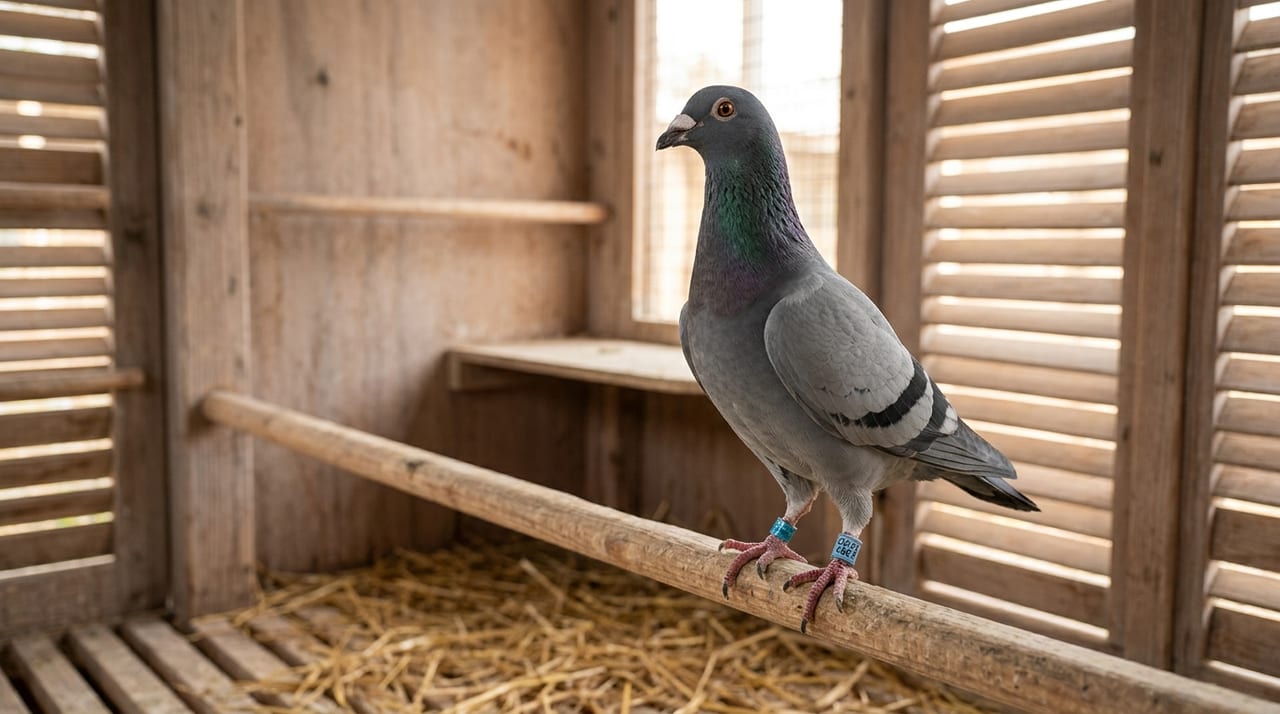
Racing pigeons, also called competition pigeons, are a type of bird used in racing competition based on their ability to fly long distances and return home. They are selectively bred descendants of rock doves, developed over time specifically for a competition called "pigeon racing" that leverages their natural homing instinct.
Carrier pigeons are essentially the same type of bird as racing pigeons, historically used by the military and civilians as a means of communication. Today, their practical use as messengers has largely disappeared, and they are kept almost exclusively as hobby birds for racing enthusiasts. In Japan, the Japan Pigeon Racing Association (NPA) manages racing rules and record-keeping, with competitions held through local pigeon clubs throughout the country.
The mechanism behind homing ability is not yet fully understood, but it is believed that pigeons use a combination of geomagnetic fields, solar orientation, smell, sight, and inner ear sensation. It is not uncommon for pigeons to fly over 500 km at speeds of 60–80 km/h and return home, and this ability continues to fascinate bird enthusiasts.
Basic Housing Requirements: Loft Design
Keeping racing pigeons requires a dedicated loft (pigeon house). In typical home settings, a loft can be built yourself or purchased and installed in a backyard or on a rooftop.
The basic requirements for a loft are as follows: First, place it in a location with good ventilation and not overly exposed to direct sunlight. Ensure the interior has sufficient height and space for pigeons to move freely, with a minimum floor area of approximately 0.5 m² per bird.
Provide one nesting box per pair; wooden boxes approximately 30 cm on each side are standard. Combine horizontal and sloped perches to create a stable resting environment. Install a one-way door called a "trap door" at the entrance, which allows returning race pigeons to enter automatically and facilitates integration with electronic timing systems.
Clean the loft daily and remove droppings from the floor. Proper ventilation is especially important, as moisture and ammonia can cause disease.
Daily Care and Management
Feed primarily with grain-based mixed feed. Commercial pigeon feed containing sunflower, barley, wheat, corn, and legumes is convenient. Nutritional requirements differ between off-season, training, and breeding periods, so adjust feed composition—such as high-protein or low-fat mixes—according to the season.
Always provide fresh water. Be especially careful about dehydration during summer and after long flights. Keep grit (a mixture of sand, oyster shells, and calcium carbonate) available at all times to aid digestion and supplement minerals.
Regular parasite control is crucial for health management. Internal parasites such as coccidia, roundworms, and capillary worms, as well as external parasites like lice and mites, are common issues. Use preventive medications under veterinary guidance and isolate suspected infected birds promptly.
Racing System and How to Participate
To participate in pigeon racing, the first step is to join a local pigeon club. Rules and membership fees vary by club, so check in advance.
Races typically measure and rank speed, calculated by the distance from the release point to the home loft divided by flight time. Return times are automatically recorded by an Electronic Timing System (ETS) and matched in real-time with ring numbers. Each pigeon wears an identification ring on its leg, which serves as official identification.
Events range from beginner races (derbies and short-distance races) to long-distance competitions. In races over 500 km, pigeons may take several days to return home, and return rates are heavily influenced by weather conditions.
Breeding and Raising Young Pigeons
Breeding of racing pigeons occurs primarily in spring (February–April) and fall (August–October). When a breeding pair is placed in a nesting box, the female typically lays 2 eggs, which hatch in approximately 18 days. Parents take turns incubating the eggs, and after hatching, both parents feed squabs with a special secretion called "pigeon milk."
Young pigeons fledge 4–6 weeks after hatching and become race-ready after a training period of 3–6 months. Training begins with short-distance releases and gradually increases distance to strengthen homing instinct.
Selecting which birds to keep as racing stock is also an important aspect of breeding. Maintaining excellent bloodlines—based on return records, physique, and health status—leads to improved racing performance. Pigeon racing is a deep hobby that demands not only the pigeons' natural abilities but also the breeder's management skills and years of experience.
Health Management and Common Diseases
Since racing pigeons expend significant energy during demanding races, proper daily health care directly impacts competitive performance. Perform regular fecal tests to check for internal parasites and use deworming medication as needed. During seasonal changes, the risk of respiratory disease (such as Newcastle disease and capillary bronchitis) increases, so minimizing temperature fluctuations in the loft is effective.
Newcastle disease vaccination is the primary vaccine and is a participation requirement at many clubs. Many breeders administer preventive medication during high-risk periods and before long-distance races. If you notice anything abnormal, consult an avian veterinarian as a general principle.
Tips for Enjoying Pigeon Racing
Pigeon racing offers deep satisfaction not just in competitive results, but in the daily interactions with the birds themselves. Daily releases from the loft, observing the condition of returning birds, and the joy of raising young from excellent bloodlines—these cumulative experiences continue to draw enthusiasts to this hobby year after year. Exchanging information with experienced club members is also a shortcut to improvement.