Bird Rehoming and Adoption Guide | Options When You Can No Longer Care for Your Bird and How to Responsibly Say Goodbye
How to find a new home for your bird and important considerations when rehoming. This guide explains the steps and responsibilities that both those seeking homes for their birds and those adopting them should know.
Key Takeaways
How to find a new home for your bird and important considerations when rehoming. This guide explains the steps and responsibilities that both those seeking homes for their birds and those adopting them should know.
There may come a time when circumstances make it impossible to continue living with your beloved bird—a situation that can happen suddenly to any bird owner. Moving, family circumstances, sudden allergies, financial difficulties, the bird owner's health problems or hospitalization—there are many cases where parting ways becomes unavoidable. In such times, it is crucial to know how to make the responsible choice of finding a new home with your bird's happiness as the highest priority.
✍️
BreederDirect Editorial
The BreederDirect editorial team specializes in care information for animals, covering veterinary care and breeding to deliver beginner-friendly guides.
Find Birds on BreederDirect
Buy directly from verified breeders
Browse Related Listings
Find Birds listings related to this article on BreederDirect. Buy directly from verified breeders.
Things to Confirm Before Starting Your Search for a New Home
Before deciding to find a new home, first organize your current situation. Honestly confronting the question of whether you truly need to find a new home is the first step.
If it is a temporary difficulty, there may be other solutions such as using pet hotels or pet sitting services, asking acquaintances for temporary care, or improving the living environment. Before giving your bird to a new home, consult with family and friends, seek advice from veterinarians and fellow bird enthusiasts, and consider all available options.
Understanding your bird's current condition is also important. Obtaining a health checkup and health certificate, compiling information about your bird's personality, characteristics, and care requirements, and preparing records of vaccinations and parasite testing can help you find a good new home. Particularly for birds you have raised for many years, health records play a very important role in the transition.
Methods for Finding a New Home
Rehoming to a trusted acquaintance or friend is the most reassuring method. Directly consult with someone who knows your bird's personality or who has experience raising birds. Rehoming to someone with whom you already have an established relationship makes adjustment to the new environment relatively smooth.
Utilizing social media and communities is also a widely used method. On bird-specialized social media groups, online communities for bird enthusiasts, and forums dedicated to parakeets and parrots, there are environments where you can find responsible owners more easily. When posting, be careful with personal information and be sure to include photos of your bird, its age, personality, health condition, and rehoming terms. Even if you are offering "free rehoming," making a viewing or meeting mandatory can reduce inquiries from those not serious.
Consulting with breeders and specialists is also an option. Contacting the breeder from whom you purchased your bird may result in them taking the bird back or introducing you to a new owner. Consulting with a bird-specialized pet shop or bird club is also effective. Breeders in particular have extensive experience with the same species and are in a good position to introduce an appropriate new owner.
Requesting help from animal welfare organizations and rehoming matching services is also possible, though organizations specialized in birds are limited, so they may not always be able to help. Prior telephone confirmation is necessary.
Screening Potential Adopters and Meeting
Once you have found a potential adopter, verify the living environment and experience. Check whether they have experience raising birds, whether they are permitted to keep a bird in their residence (in the case of rental property), the risk of compatibility with other pets if they have any, and whether all family members agree.
Meeting in person is essential. Have the candidate actually meet your bird and observe how your bird reacts. Some birds may be nervous and freeze, but confirm that the candidate is able to interact with the bird at an appropriate distance. Only proceed with rehoming once both parties are satisfied after the meeting.
It is recommended to confirm rehoming terms in writing. Preventing trouble by documenting terms such as "if circumstances change and care becomes difficult, contact me immediately," "no resale or re-rehoming," and "periodic updates on the bird's condition," rather than only discussing them verbally. Agree in advance on accessories such as the cage and food.
Mindset for Those Adopting a Bird
When adopting a bird as a new home, thorough preparation is also necessary. Adopting an adult bird presents unique challenges different from raising from a chick.
Understand that adapting to a new environment takes time. A bird in a new environment needs an adjustment period of several days to several weeks. Birds with long life histories with a breeder or previous family, in particular, experience strong stress from changes in location and people. Avoid forcing interaction and set aside a period for quiet observation.
Inheriting detailed information from the previous owner is key to success. Listen carefully to dietary habits (preferred and disliked foods), feared objects and favorite toys, sleep and wake times, any past health issues, and information about the previous veterinarian, and try to keep the daily routine as unchanged as possible.
A quarantine period is strongly recommended at the start. If there are resident birds, manage the new bird in a separate cage for 2-4 weeks and have a health checkup before introducing them. Even if a new bird shows no symptoms, it may carry infectious disease.
Abandonment and Release into the Wild Are Absolutely Forbidden
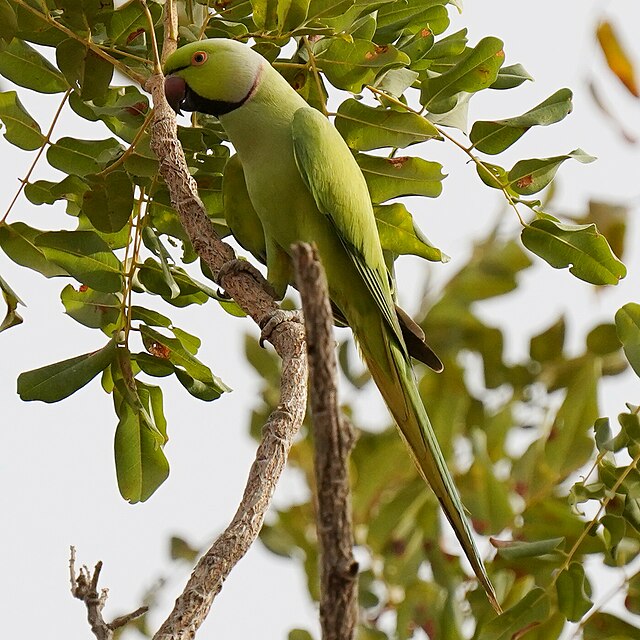
When faced with difficulty in care, what you must absolutely never do is abandon or release your bird into the wild. The vast majority of captive birds in Japan are non-native species and cannot survive in Japan's outdoor environment. Additionally, under the Animal Welfare and Management Law, abandoning a kept animal is a crime. When non-native birds become established (such as the Rose-ringed Parakeet), the impact on native species and ecosystems is severe. No matter how desperate the situation, never choose to release your bird into the wild.
Parting with your beloved bird is painful, but your final responsibility as an owner is to make the responsible choice while envisioning your bird living happily with its new family.