Gouldian Finch Overview
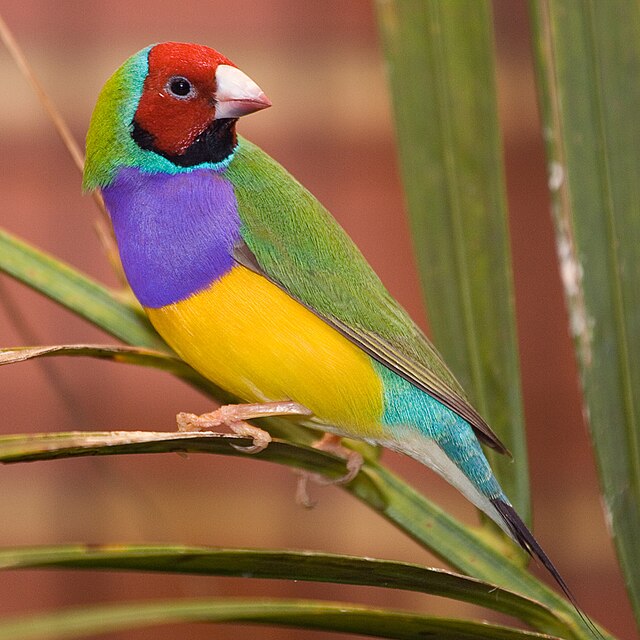
The Gouldian Finch (scientific name: Chloebia gouldiae, English name: Gouldian Finch) is a small finch native to the tropical savannas of northern Australia. With a body length of approximately 13–14 cm and weight of 15–20 grams, this tiny bird packs brilliant colors of red, yellow, green, blue, and purple onto its small frame, earning it the title of "the most beautiful finch in the avian world."
Three Head Color Types
The most distinctive feature of the Gouldian Finch is the color variation on the head, with three types occurring in wild populations:
| Head Color | Wild Proportion | Characteristics |
|---|
| Red Head | ~75% | Most popular, brilliant red-orange coloring |
| Black Head | ~25% | Cool black head markings |
| Yellow Head | Rare | Spontaneous mutation, highly prized by enthusiasts |
In captive-bred birds, numerous color mutations are available in the hobby, including White Breast (a mutation where the normally purple breast becomes white) and pastel color variants.
Care Difficulty and Important Considerations
The Gouldian Finch is known as a "beautiful but difficult to breed" finch. Water management, temperature control, and infection prevention are more demanding than with other common finch species.
Why Gouldian Finches Are Challenging
- Highly sensitive to cold due to tropical and subtropical origin (minimum temperature of 22°C or above required)
- Susceptible to air sac mite infection (Sternostoma tracheacolum)
- Prone to appetite loss and chick rearing failure during breeding season
- High nutritional requirements and delicate digestive system
Understanding these characteristics and establishing appropriate management conditions is key to successful keeping.
Essential Housing Requirements
Cage Size
Although small, these finches are highly active and require horizontal space.
- Minimum: 60 cm wide × 40 cm deep × 50 cm tall (for one pair)
- Recommended: 90 cm wide × 45 cm deep × 60 cm or taller
- Group housing (5–10 birds): Flight cage 120 cm or wider
Temperature Management
Temperature control is one of the most critical aspects of Gouldian Finch care.
- Ideal temperature: 22–28°C
- Minimum temperature to maintain: 20°C or above (below this birds often develop health problems)
- Heating lamp or panel heater strongly recommended during winter months
Sudden temperature fluctuations (10°C or more per day) can trigger immune suppression and infection.
Lighting
Natural light is ideal, but full-spectrum UVB avian lamps used for 12–14 hours daily (summer) and 10–12 hours (winter) promote vitamin D3 synthesis and help regulate breeding cycles.
Diet Management
Basic Diet Composition
| Food Item | Proportion | Notes |
|---|
| Small mixed seeds | 60–70% | Millet, canary grass seed, canary seed, etc. |
| Fresh leafy greens | 20–30% | Mustard greens, mizuna, bok choy, sprouted vegetables |
| Small pellets | 10–15% | Especially important during breeding and molting seasons |
Special Nutrition During Breeding and Molting
- Eggs and egg food (sponge cake): Essential for high-protein supplementation
- Live insects (bloodworms, small crickets): Improves chick rearing success when provided to growing chicks
- Grit and calcium blocks: Calcium supplementation during egg-laying
Vitamin Supplementation
Water-soluble avian vitamin supplements added to drinking water 2–3 times per week prevent vitamin A, D, and E deficiency. Particularly important during winter and molting periods.
Breeding Management
Breeding Gouldian Finches is an exciting challenge for finch enthusiasts.
Basic Breeding Requirements
- Appropriate age: Pairs one year or older (younger birds have higher risk of chick rearing failure)
- Nest box: Approximately 20 cm wide × 15 cm deep × 20 cm tall wooden box
- Nesting material: Provide appropriate amounts of palm fiber, cotton fiber, and dried grass
Egg-Laying to Hatching
- Clutch size: 4–8 eggs
- Incubation period: Approximately 14–15 days
- Fledging: Approximately 3 weeks from hatching
Preventing Chick Rearing Failure
Gouldian Finches are prone to abandoning chicks. Prevention strategies include:
- Provide abundant high-protein food (egg food and live insects) during breeding season
- Keep the nest box area quiet (minimize stress from noise and disturbances)
- Visibility of multiple breeding pairs may stimulate breeding drive through flock dynamics
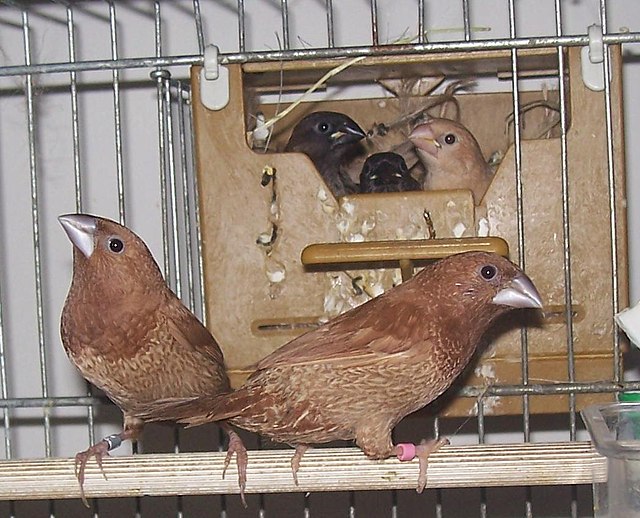
- Consider using experienced "foster pairs" (such as Bengalese Finches) as surrogate parents
Early Disease Detection and Important Health Conditions
Air Sac Mite Infection (Sternostoma tracheacolum)
The most common serious infection in Gouldian Finches. This mite parasitizes the trachea and air sacs, with symptoms including beak rubbing, open-mouth breathing, and weight loss. Regular preventive medication (ivermectin-based) and quarantine of newly acquired birds are essential.
Feather and Skin Problems
Abnormal molting patterns and feather quality decline indicate nutritional deficiency. These symptoms are particularly common with vitamin A and zinc deficiency.
Clostridium Infection
A digestive tract infection caused by intestinal bacterial imbalance. Symptoms include diarrhea, loss of appetite, and lethargy. Environmental cleanliness and regular disinfection are fundamental prevention measures.
Summary
The Gouldian Finch captivates bird lovers with its incomparable beauty, but requires proper temperature management, high-nutrition diet, and regular infection prevention—making it a "intermediate to advanced" finch species. Maintaining temperatures constantly above 22°C and providing diligent protein supplementation and air sac mite prevention during breeding season are the keys to long-term success. Once a stable care environment is established, the bird's magnificent colors become a daily source of joy.