Pet Birds and the Law: Why Understanding Matters
Unlike dogs and cats, birds—particularly parrots and parakeets—fall under international treaty regulations (Washington Convention), with many species subject to protection. Purchasing, selling, or importing/exporting without proper knowledge can result in criminal penalties.
This article explains the major laws and treaties relevant to purchasing, raising, breeding, and selling pet birds in Japan, from both the pet owner and breeder perspective.
---
Washington Convention (CITES): Foundational Knowledge
What is CITES?
The Convention on International Trade in Endangered Species of Wild Fauna and Flora (commonly known as the Washington Convention or CITES) is an international treaty designed to prevent species extinction by regulating international trade in wild plants and animals. Japan became a signatory in 1980.
Appendix Classification
CITES classifies protected species into three appendices.
| Appendix | Protection Level | Commercial International Trade | Examples of Bird Species |
|---|
| Appendix I | Highest (Endangered) | Generally prohibited | African Grey Parrot, Macaws (some), Cockatoos (some), Falcons |
| Appendix II | Moderate | Permitted with permit | Budgerigars (wild-type), Lovebirds, Conures, Amazon Parrots (many) |
| Appendix III | Protected by specific countries | Requires certificate of origin | Some pigeons and plovers |
Important: CITES regulations differ between "wild-caught specimens (WC)" and "captive-bred specimens (CB)". Even Appendix I species that are properly documented CB individuals can be legally traded domestically.
Appendix II Birds: Confirming Commonly Kept Species
| Common Name | Scientific Name | CITES Appendix |
|---|
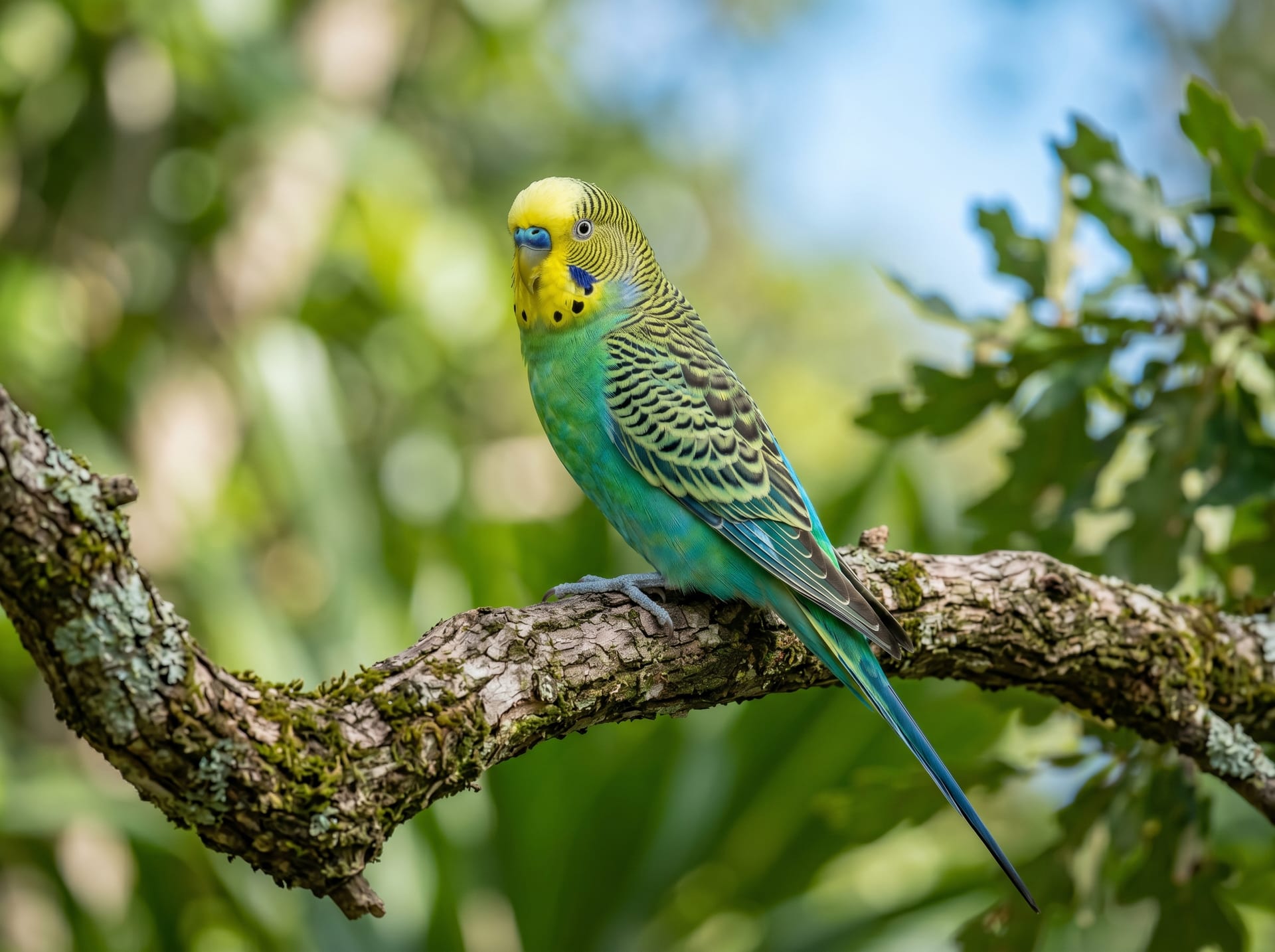
| Budgerigar (wild-type) | Melopsittacus undulatus | II |
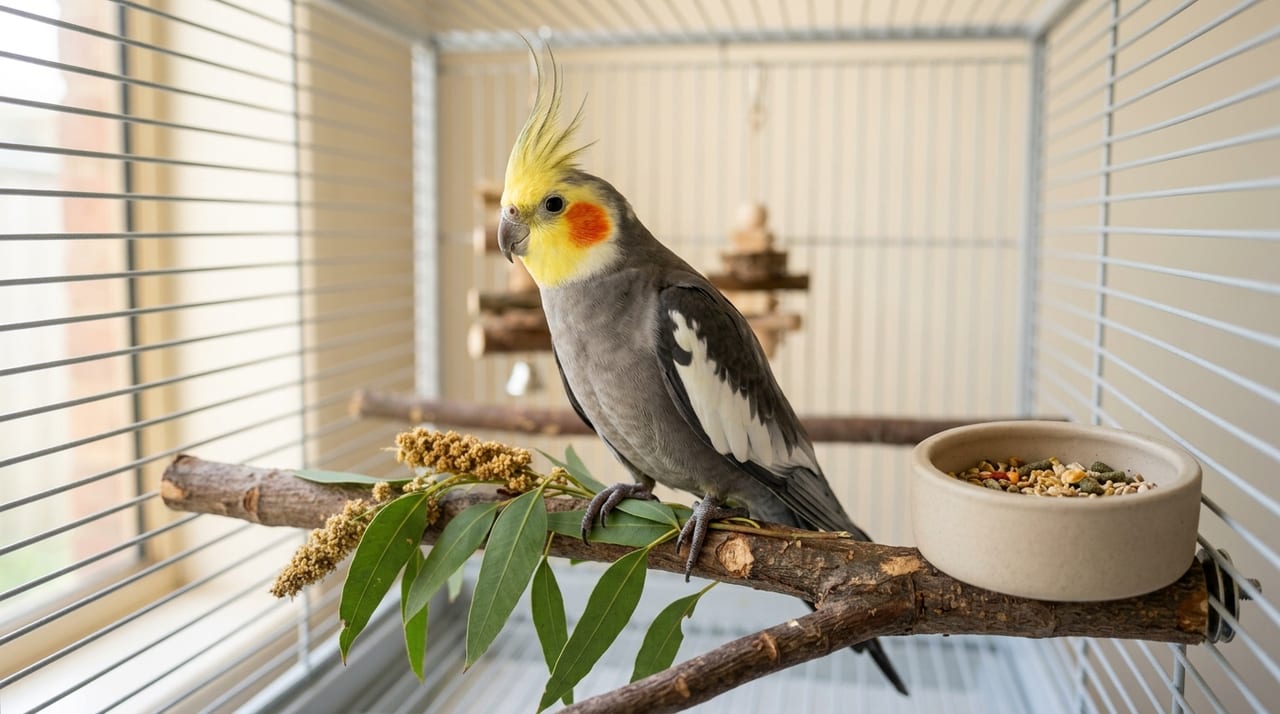
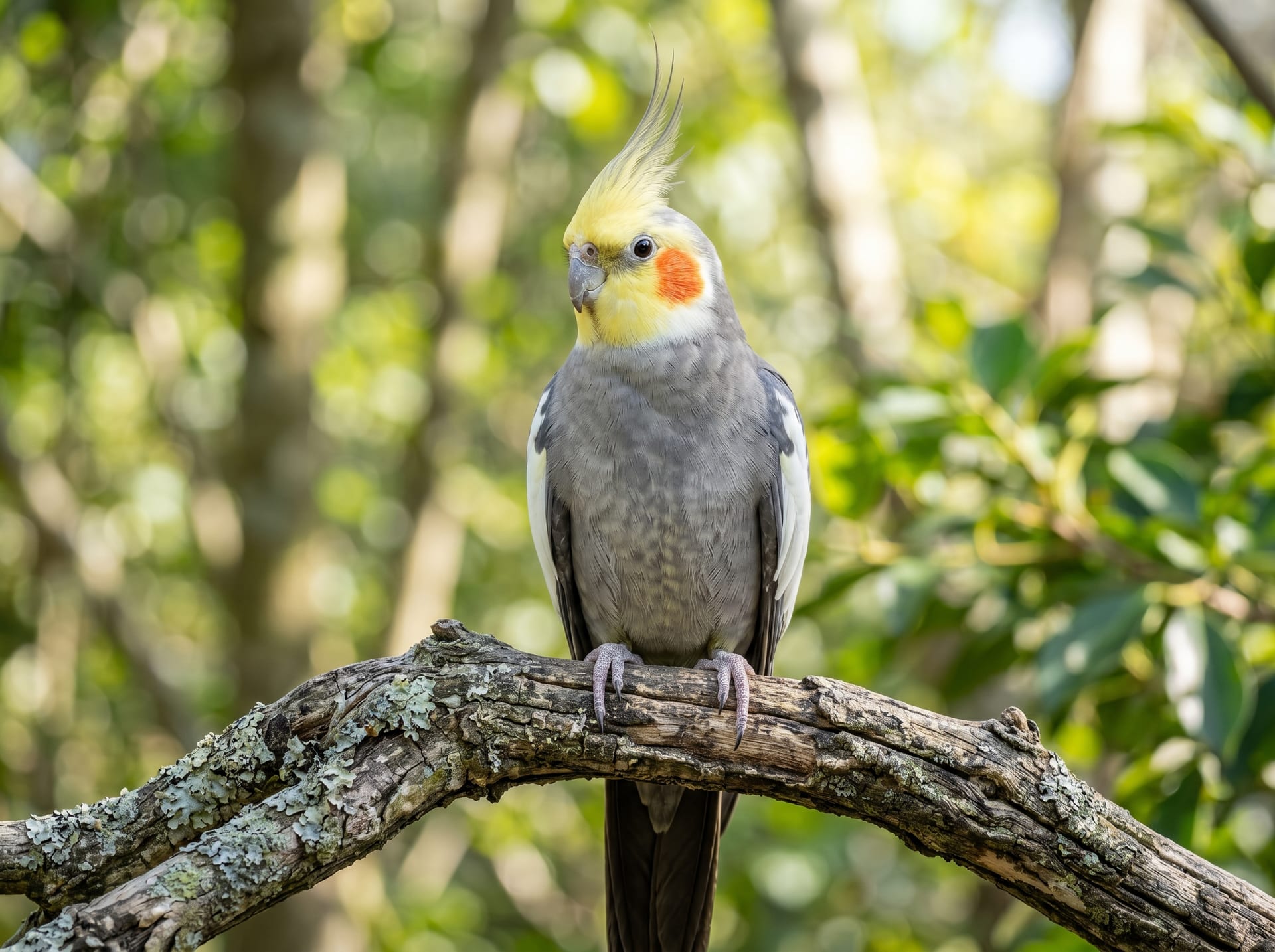
| Cockatiel | Nymphicus hollandicus | II |
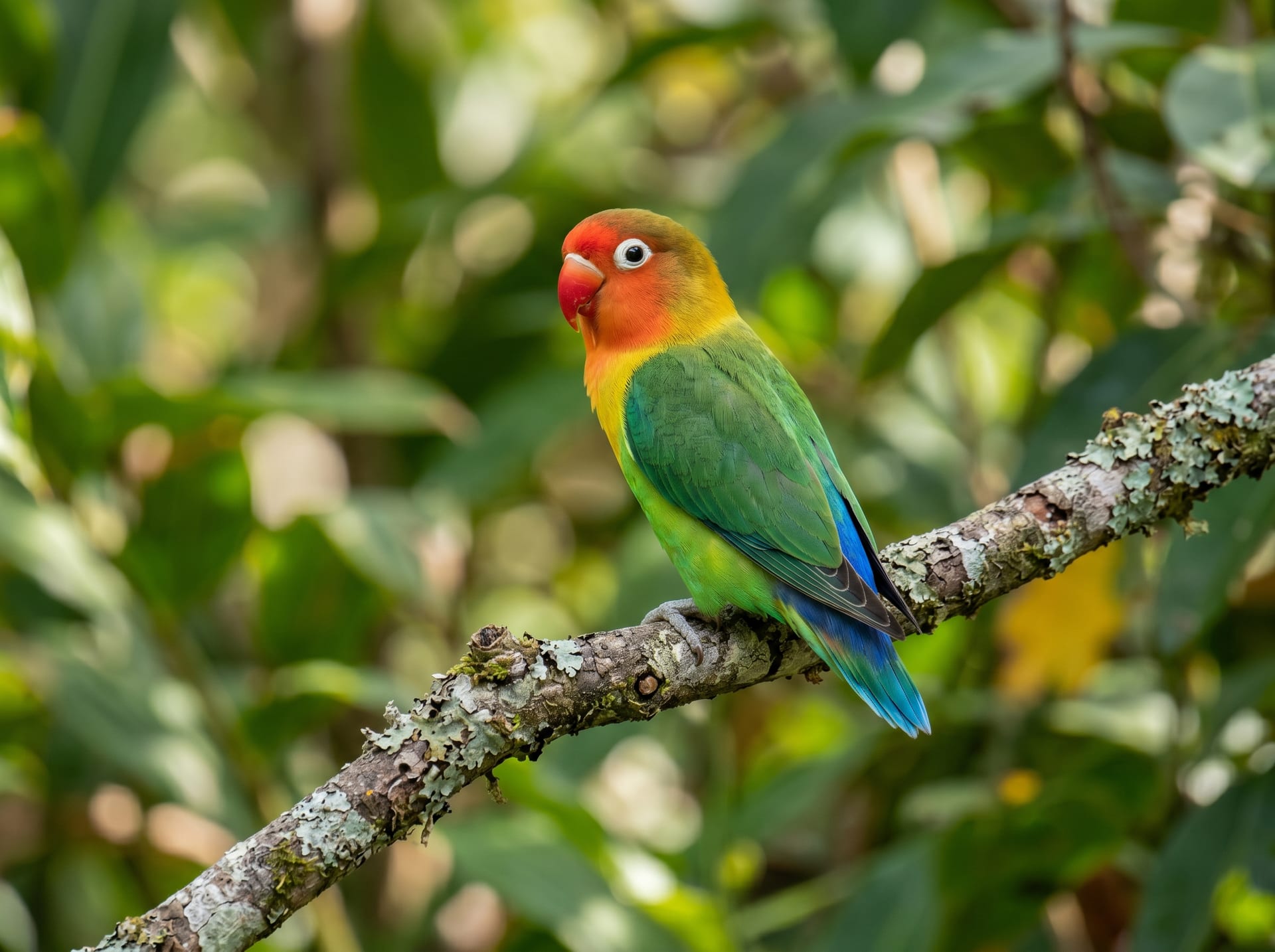
| Peach-faced Lovebird | Agapornis roseicollis | II |
| Black-winged Lovebird | Agapornis nigrigenis etc. | II (species-dependent) |
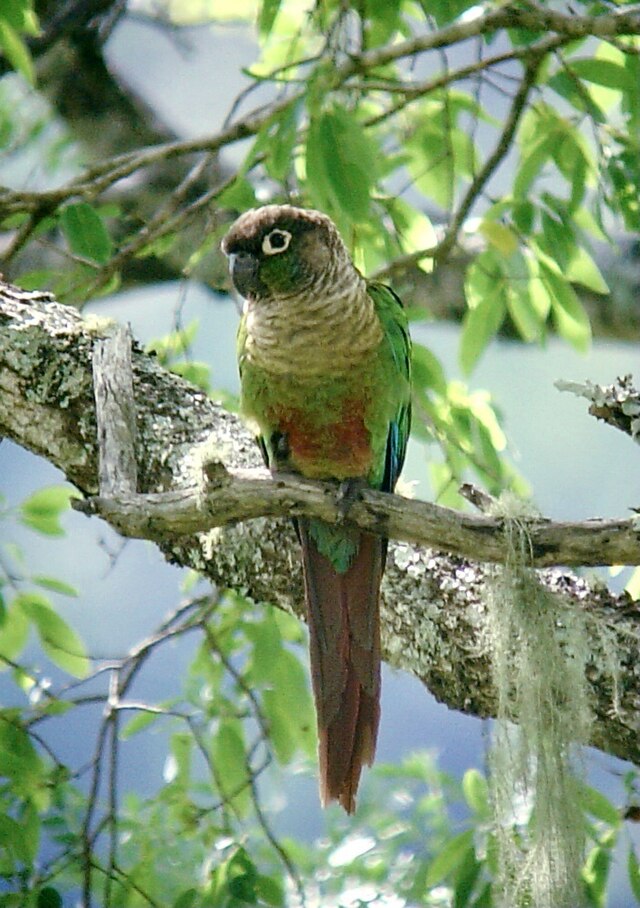
| Green-cheeked Conure | Pyrrhura molinae etc. | II |
| Amazon Parrot | Amazona spp. | I or II (species-dependent) |
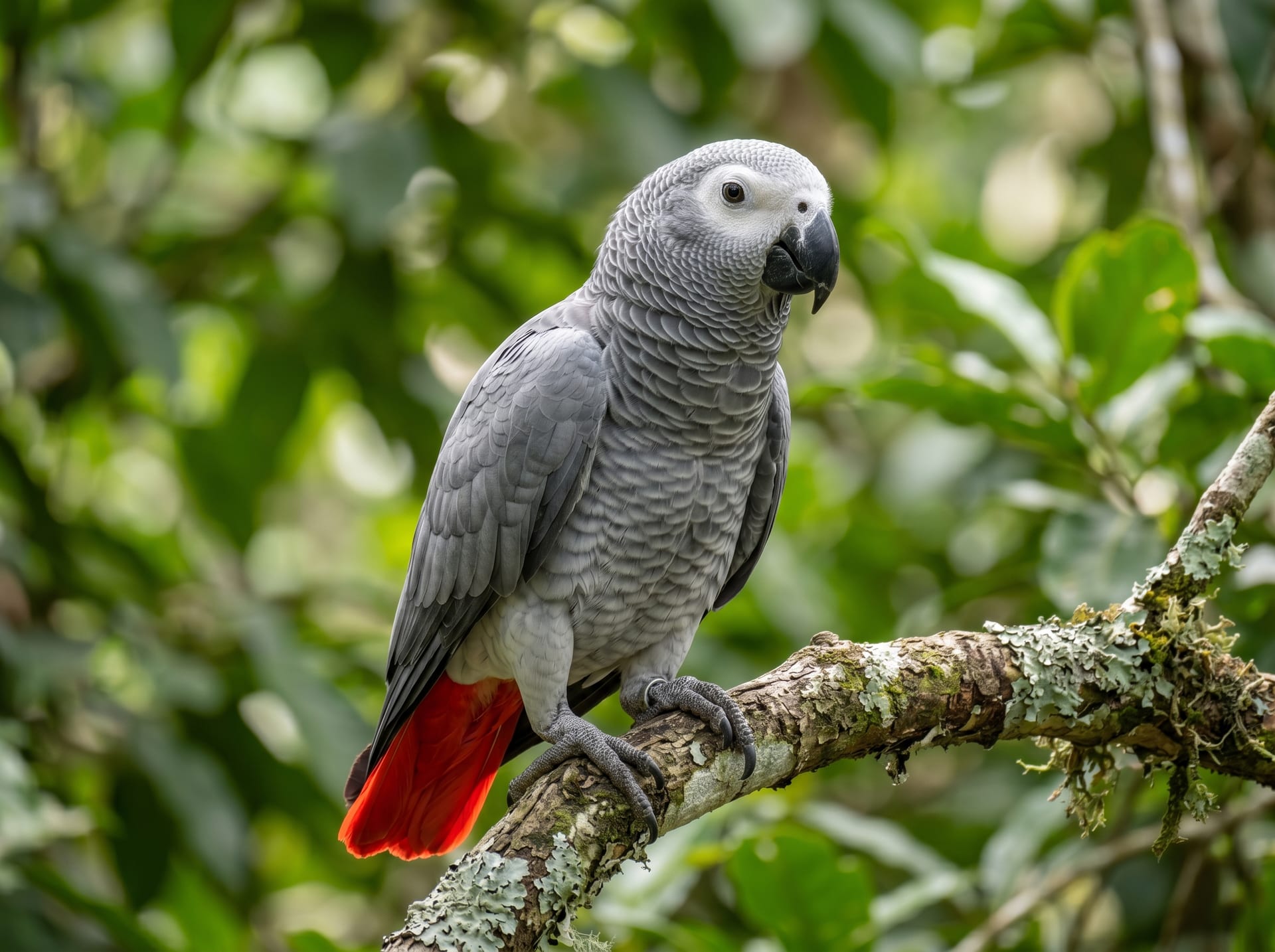
| African Grey Parrot | Psittacus erithacus | I |
Note: The domesticated varieties of budgies and cockatiels have undergone such extensive selective breeding that they are difficult to distinguish from wild-type birds. In practice, they are often treated as CITES-exempt, but documentation checks are still required for imports.
Import Procedures in Japan
For importing Appendix I and II species from overseas, the following procedures are required:
- Obtain an Export Permit from the exporting country
- Declare to customs upon entry to Japan (CITES Import Permit may be required)
- Submit application to animal quarantine authorities (Ministry of Agriculture, Forestry and Fisheries)
- Register domestically after import (some species require notification to the Ministry of Economy, Trade and Industry)
Even personal imports (souvenirs from overseas travel) are subject to CITES regulations. Cases of smuggling birds in suitcases have been prosecuted as violations of Foreign Exchange Control Law and CITES.
---
Animal Protection and Management Law
First Category Animal Handling Business
If you sell, exchange, or transfer birds as a business, you must register as a "First Category Animal Handler" with your prefectural governor (Article 10 of the Animal Protection and Management Law).
Activities requiring registration:
- Selling birds at pet shops
- Continuously breeding and selling as a breeder
- Regularly selling through online auctions or marketplace apps
"Conducting as a business" guideline: Business activities conducted for profit on a continuous basis. Transferring one or two chicks born at home typically does not constitute business, but frequent, large-scale, or continuous sales require registration. If uncertain, check with your prefectural animal welfare center.
Requirements for Registration
First Category Animal Handler registration requires:
- Selection of a responsible animal handler (qualifications: veterinarian, certified animal nursing aide, or completion of required practical experience and training)
- Compliance with facility standards (cage size, ventilation, sanitation, etc.)
- Registration by type of business (sales, storage, rental, etc.)
Violations can result in fines up to ¥500,000 (operating without registration) or administrative sanctions such as business suspension.
Obligations for Pet Owners (Non-Commercial)
General pet bird owners also have obligations under the Animal Protection and Management Law.
- Lifetime care commitment: Make a reasonable effort to care for your bird throughout its life
- Prevention of escape: Maintain proper management to prevent your bird from escaping
- Prohibition of abuse and abandonment: Intentional abuse can result in imprisonment up to 2 years or fines up to ¥2,000,000
---
Invasive Species Law
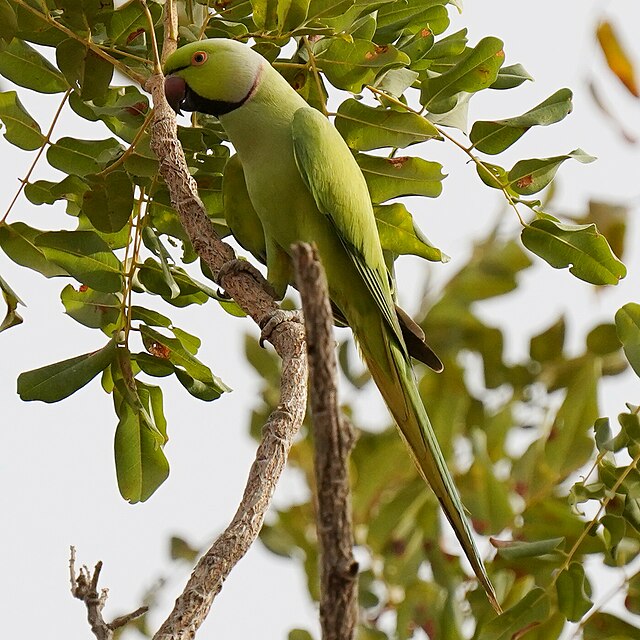
Among parrots and parakeets, some species present potential risks to Japan's ecosystem. As of 2026, major ornamental parrots have not been designated as invasive species, but the Rose-ringed Parakeet (Psittacula krameri) is problematic due to wild populations becoming established in urban areas. If escaped individuals breed in the wild, owners are encouraged to report them to the Ministry of the Environment.
---
Practical Points Breeders Should Know
Selling Domestically Bred Appendix II Species
Domestically bred (CB) individuals of Appendix II species such as lovebirds and conures can be legally sold domestically with appropriate documentation (import documentation or domestic CB certification).
Documents to confirm and provide when transferring to buyers:
- Proof of parental acquisition (receipt from pet shop, copy of import permit, etc.)
- Breeding records (laying date, hatching date, chick weight records)
- Health certificate (from avian veterinarian)
Selling Domestically Bred African Grey Parrots (Appendix I Species)
Even domestically bred (CB) African Grey Parrots require special care when selling.
- It is important to maintain documentation proving that CB individuals are descended from legally held domestic parents
- You have a duty to explain to buyers that this is an Appendix I species and that export/re-export is subject to strict regulations
Listing on Buricho (ブリちょく)
When listing CITES-regulated species (particularly Appendix I) on the breeder marketplace "Buricho," it is recommended to clearly state the following on the listing:
- Individual's acquisition history (CB, WC, F1 or later generation)
- Whether parental documentation is available
- Domestic sales only (no re-export)
---
Animal Quarantine: Important Notes on Overseas Imports
Birds imported from overseas require prior notification and quarantine through the Ministry of Agriculture, Forestry and Fisheries Animal Quarantine Service.
| Procedure | Details |
|---|
| Prior notification | Must notify the quarantine service up to 14 days before entry |
| Quarantine period | Typically 14 days (isolation at designated facility) |
| Required documents | Health certificate (in English), vaccination records, quarantine certificate from exporting country |
| Prohibited diseases | If birds test positive for highly pathogenic avian influenza (HPAI), Newcastle disease, or other specified diseases, they will be returned or euthanized |
Quarantine is required with no exceptions, even for personal imports of parrots from overseas. The assumption that "it's small so it's fine" is incorrect.
---
Summary: Complying with Regulations for Safe and Secure Bird Ownership
While regulations governing pet birds may seem complex, they boil down to three key points:
- Document verification is essential for CITES species: Check the appendix before purchasing and request documentation from breeders and shops
- Commercial bird sales require animal handler registration: Even part-time breeding activities that involve continuous sales require registration
- Overseas imports must comply with quarantine and treaty regulations: Smuggling birds in suitcases carries severe penalties
On the breeder marketplace "Buricho," we provide an environment where you can confidently transact with law-abiding breeders. Use the document verification and breeder messaging features to select legally compliant individuals.