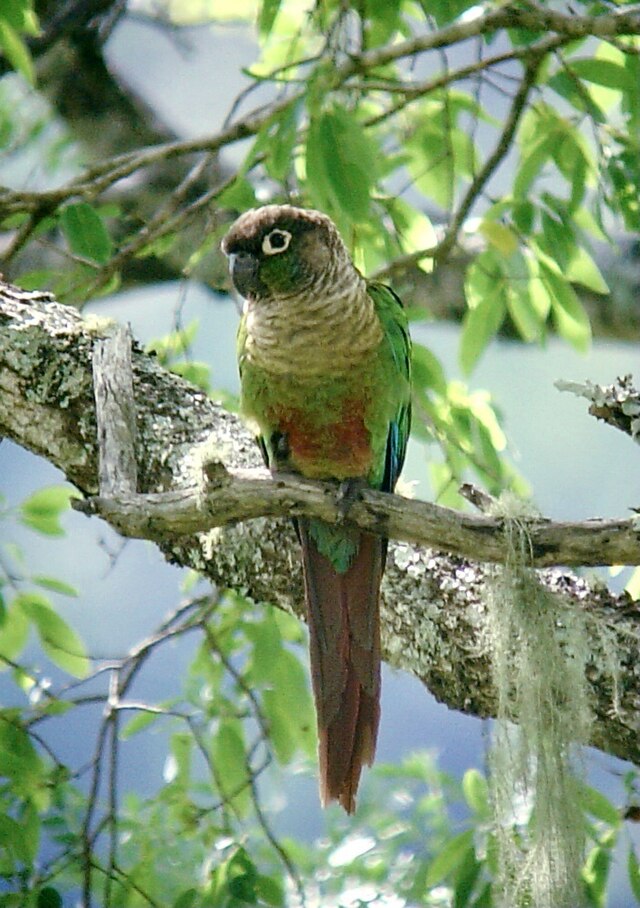
Green-cheeked Conure
Green-cheeked Conures pack a big personality into a small frame, making them one of the most popular conure species among companion bird keepers. They're famously affectionate and playful, often eager to interact with their owners, yet they're known for being relatively quiet compared to many other parrot species — a trait that makes them a more realistic option for apartment living. Adults typically reach 25–26 cm in length and can live 20 to 30 years, so bringing one home means committing to a long-term companion. They're generally considered approachable for first-time bird owners, though they still thrive on consistent daily interaction and attentive care.
View Green-cheeked Conure encyclopedia →0% commission on your first sales!Register by September 30, 2026 and your first 2 sales are commission-free!
Breeder Wanted!
List on BreederDirect and sell directly to customers nationwide!
Six Transparency Commitments from BreederDirect
All Birds listings include complete Breeder transparency: hand-raised status, DNA sex determination, and health certification details.
- Hand-Raised
- DNA Sex-Determined
- Health Certified
- Origin Disclosed
- Color Variation Specified
- Age in Months Disclosed
Browse all 247 breeds
Care Level
Verified breeders wanted for Birds
Breeders are signing up now ahead of launch. Subscribe to be notified when new listings go live.
Getting alerts is free with a member account. When new listings match your saved search, we'll notify you by email and in-app.
Browse other categories
Verified breeders (preview)
Green-cheeked Conure key facts
- Care level
- Beginner-friendly
- Lifespan
- 20-30 years
- Size
- 25-26cm
- Diet
- Pellets, Seeds, Vegetables, Fruits
- Housing
- Medium cage with daily out-of-cage time
- Diet & Feeding
- Feed pellets as the staple combined with seed, vegetables and fruit, using variety to prevent nutritional imbalance.
- Health & Cautions
- Common illnesses include chlamydiosis, digestive tract infections and stress-related feather plucking. Daily out-of-cage time and interaction help prevent stress.
- Notes
- Bite training important
About Green-cheeked Conure
A popular, affectionate conure known for its playful personality and relatively quiet call. Adults reach 25–26 cm and live 20–30 years, making them a long-term companion suited to first-time bird owners.
7 things to know before welcoming a Green-cheeked Conure
1Relatively Quiet Calls
Green-cheeked Conures are known for being quieter than many larger parrot species, making them a more realistic option for apartment living. That said, individual birds vary and may call out when seeking attention.
2Affectionate and Playful
Most Green-cheeked Conures enjoy close contact with their owners, often perching on shoulders or enjoying gentle handling. Their curious, playful streak can also lead to nibbling or mischief, so daily interaction helps build trust.
3A 20–30 Year Commitment
With a lifespan of 20 to 30 years, a Green-cheeked Conure can outlive many other pets. Before bringing one home, consider whether you can commit to their care for the long term.
4Pellet-Based Diet
A pellet-based diet supplemented with seeds, vegetables, and fruit forms the foundation of good nutrition. Reviewing their diet regularly helps prevent nutritional imbalances.
5Daily Out-of-Cage Time
These active, curious birds benefit from supervised time outside the cage in a safe space, which helps reduce boredom and stress. Keep an eye out for hazards like open windows or small objects they could swallow.
6Temperature Sensitivity
Green-cheeked Conures are sensitive to sudden temperature changes, so extra care is needed during seasonal transitions and colder months. A stable, comfortable environment supports their overall health.
7Regular Health Checks
Regularly observing feathers, skin, and droppings helps you catch changes early, and knowing an avian vet in advance is reassuring. Early awareness of health changes supports a long, healthy life together.
Frequently asked questions about Green-cheeked Conure
- Q.Is the Green-cheeked Conure suitable for first-time bird owners?
- A.Yes, Green-cheeked Conures are generally considered a good choice for beginners. That said, they live for decades and need daily care, so it's worth understanding the long-term commitment before bringing one home.
- Q.Are Green-cheeked Conures noisy?
- A.Compared to larger parrot species, their calls are considered relatively quiet. Individual birds vary, though, and they may vocalize more when seeking attention.
- Q.What should I feed a Green-cheeked Conure?
- A.A pellet-based diet supplemented with seeds, vegetables, and fruit is standard. Keeping the diet varied and balanced over time is recommended.
- Q.How does this species differ from other conures or parrots?
- A.Green-cheeked Conures are smaller and quieter than many larger parrots, while still being playful and affectionate companions. Adults typically measure around 25–26 cm.
- Q.Can they be left alone during the day?
- A.Short periods alone are fine, but these birds are social and bond closely with their owners, so extended isolation can cause stress. Regular daily interaction helps keep them content.
Useful tools for Green-cheeked Conure care
Learn more about Green-cheeked Conure in the encyclopedia
View Green-cheeked Conure encyclopedia entry →
Care difficulty, lifespan, size and diet — all basics covered.
Green-cheeked Conure related articles
See more Green-cheeked Conure articles →More in this category
Can't find the one you're looking for?
Post your wishes for free and breeders with matching animals will contact you with introductions.