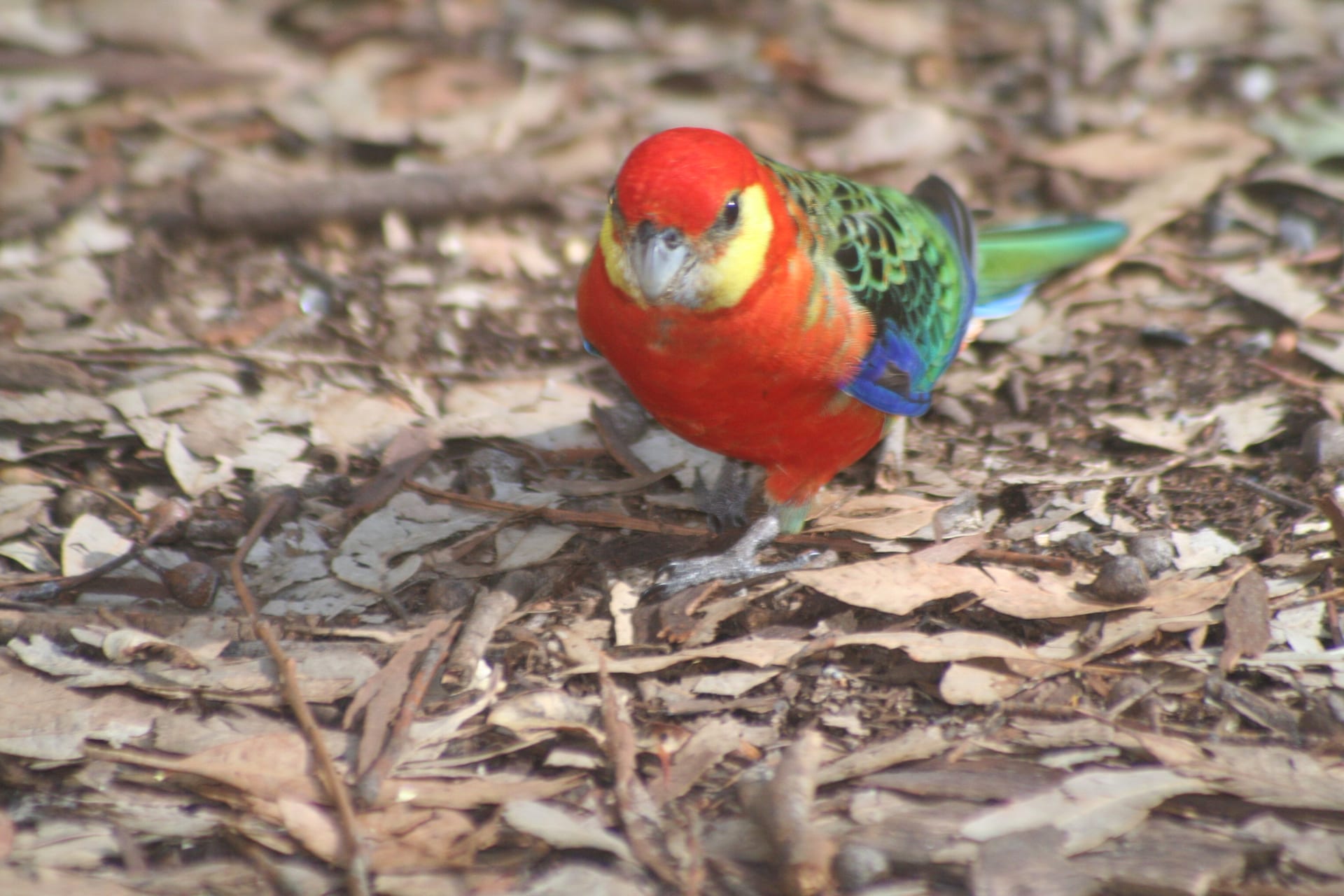
 © Stephen Barnett / CC BY 2.0
Western Rosella
The Western Rosella is the smallest member of the Platycercus (rosella) family, found only in the wild in southwestern Australia. Its red head and yellow cheek patches make for a striking, compact bird of about 26cm, and it's known for a softer, quieter voice than other rosellas — a trait many keepers appreciate in close living situations. With a lifespan of 25 to 40 years, it can be a long-term companion, and females typically show duller overall coloring than males, adding an easy way to tell the sexes apart. Because of its care needs, this species suits intermediate-level keepers who already have some parrot experience.
View Western Rosella encyclopedia →0% commission on your first sales!Register by September 30, 2026 and your first 2 sales are commission-free!
Breeder Wanted!
List on BreederDirect and sell directly to customers nationwide!
Six Transparency Commitments from BreederDirect
All Birds listings include complete Breeder transparency: hand-raised status, DNA sex determination, and health certification details.
- Hand-Raised
- DNA Sex-Determined
- Health Certified
- Origin Disclosed
- Color Variation Specified
- Age in Months Disclosed
Browse all 247 breeds
Care Level
Verified breeders wanted for Birds
Breeders are signing up now ahead of launch. Subscribe to be notified when new listings go live.
Getting alerts is free with a member account. When new listings match your saved search, we'll notify you by email and in-app.
Browse other categories
Verified breeders (preview)
Western Rosella key facts
- Care level
- Intermediate
- Lifespan
- 25-40 years
- Size
- 26cm (45-80g)
- Diet
- Mixed seed, seeding grasses, greens, fruit and vegetables, and pellets
- Cage
- A walk-in flight 3 m long is recommended, with a nest log or vertical box about 23 x 23 x 61 cm, water bowls for bathing and room to fly for exercise.
- Temperament
- A hearty chewer: keep a steady supply of unsprayed flowering fruit-tree, willow, fir, elder and pine branches. It is normally kept as a pair.
- Vocalization
- The calls are soft and melodious and much quieter than other rosellas, so the bird causes comparatively little trouble even in flats.
- Notes
- Listed on CITES Appendix II, so import requires an export permit. With a lifespan of 25-40 years, keeping one is a long-term commitment.
About Western Rosella
The Western Rosella, native to southwestern Australia, is the smallest rosella species — known for its red head, yellow cheeks, quiet voice, and 25-40 year lifespan. Best suited to intermediate keepers.
7 things to know before welcoming a Western Rosella
1Roomy Cage & Exercise
At about 26cm, the Western Rosella is a compact member of the Platycercus family, but it's an active bird that benefits from as large a cage as you can provide. Make sure to give it daily time outside the cage to stretch its wings.
2Calm Temperament
Compared to other rosellas, Western Rosellas tend to be calm and even-tempered. They're not usually overly clingy, making them a good fit for keepers who prefer a bird comfortable with a bit of independence.
3A Softer Voice
Among rosellas, this species is known for a relatively soft, quiet call rather than loud, sustained vocalizing. That said, individual birds vary, and it isn't a silent species.
4Males & Females Differ
Both sexes show the red head and yellow cheek patches, but females are generally duller in overall color than males. Their coloring becomes more defined as they mature, so watching the change can be part of the enjoyment.
5Balanced Diet
A base of quality pellets supplemented with seeds and fresh vegetables and fruit makes for a well-rounded diet. Keep an eye on how much and what your bird actually eats so nutrition doesn't become one-sided.
6Daily Health Checks
Get in the habit of noticing small daily changes in feather condition, appetite, and droppings. If anything seems off, consult an avian vet promptly.
7A 25-40 Year Commitment
Western Rosellas can live 25 to 40 years, so bringing one home means planning for care that spans major changes in your own life. Think through your long-term ability to provide care before deciding to adopt.
Frequently asked questions about Western Rosella
- Q.Are Western Rosellas loud?
- A.Among rosellas, this species is known for a softer, quieter call, so noise complaints tend to be less common than with some other parrots. That said, individual birds vary, and they aren't silent.
- Q.Are they suitable for first-time bird owners?
- A.This species is generally considered better suited to intermediate keepers with some prior parrot experience. If it's your first bird, take time to research its care needs before bringing one home.
- Q.How can you tell males and females apart?
- A.Females are generally duller in overall color than males, making the sexes reasonably easy to distinguish. In young birds, though, the difference can be harder to spot.
- Q.How long do Western Rosellas live?
- A.Their lifespan of 25 to 40 years puts them among the longer-lived parrots. Before adopting, consider whether you can commit to their care over that many years.
- Q.Are there any legal restrictions?
- A.Western Rosella is listed in CITES Appendix II. International trade requires a permit from the exporting country, but as far as CITES is concerned, no registration is needed to buy or sell individuals already legally in Japan.
Useful tools for Western Rosella care
Learn more about Western Rosella in the encyclopedia
View Western Rosella encyclopedia entry →
Care difficulty, lifespan, size and diet — all basics covered.
More in this category
Can't find the one you're looking for?
Post your wishes for free and breeders with matching animals will contact you with introductions.