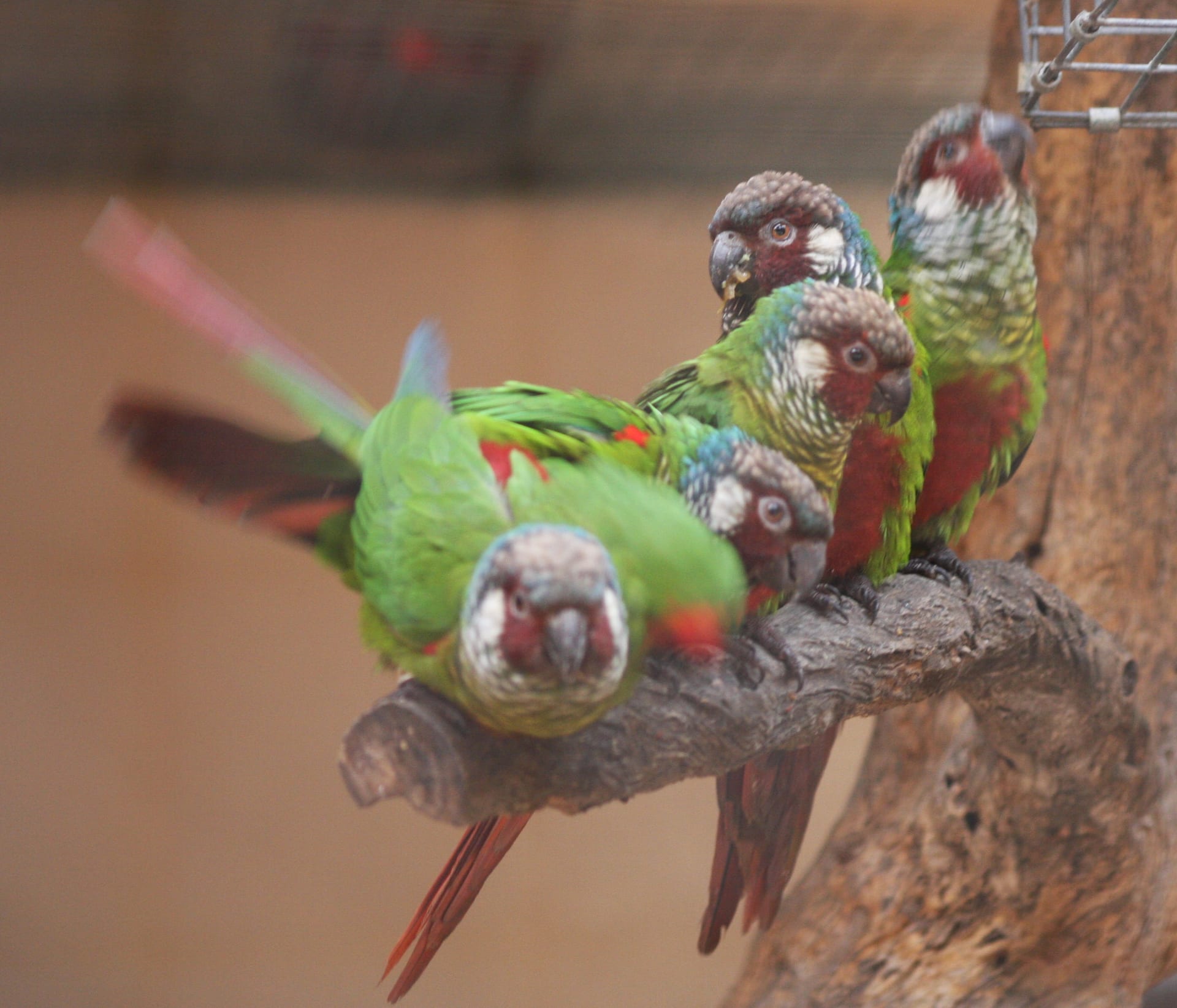
 © Bjoertvedt / CC BY-SA 3.0
White-eared Conure
The White-eared Conure is a small parrot known for the white patches on its ear coverts, reddish-brown cheeks, and fine scalloped markings across its chest. Native only to a limited stretch of Atlantic coastal forest in eastern Brazil, it's classified as Vulnerable by the IUCN, making it a genuinely uncommon bird in aviculture. These conures tend to bond closely with their people and love to play, though their intelligence means they need consistent engagement to avoid developing problem behaviors. Their calls are relatively moderate for a conure, which can make apartment living more manageable with the right approach.
View White-eared Conure encyclopedia →0% commission on your first sales!Register by September 30, 2026 and your first 2 sales are commission-free!
Breeder Wanted!
List on BreederDirect and sell directly to customers nationwide!
Six Transparency Commitments from BreederDirect
All Birds listings include complete Breeder transparency: hand-raised status, DNA sex determination, and health certification details.
- Hand-Raised
- DNA Sex-Determined
- Health Certified
- Origin Disclosed
- Color Variation Specified
- Age in Months Disclosed
Browse all 247 breeds
Care Level
Verified breeders wanted for Birds
Breeders are signing up now ahead of launch. Subscribe to be notified when new listings go live.
Getting alerts is free with a member account. When new listings match your saved search, we'll notify you by email and in-app.
Browse other categories
Verified breeders (preview)
White-eared Conure key facts
- Care level
- Intermediate
- Lifespan
- About 12-15 years
- Size
- About 23cm
- Diet
- Pellet-based diet, seed mix, fruit, vegetables
- Cage
- The World Parrot Trust recommends an aviary or suspended enclosure at least 2 m long. Leaving a roosting box up year-round is beneficial.
- Temperament
- Strongly social and suited to small groups. It is small but active and playful.
- Vocalization
- Flight calls are shrill, but quieter than in the large conures, which makes it manageable at home.
- Notes
- Vulnerable with a restricted range. Splits from close relatives have muddled identification, so check the scientific name and the white ear patch.
About White-eared Conure
A small conure with white-flecked ear coverts and scalloped chest markings, native to eastern Brazil. An IUCN Vulnerable species suited to intermediate keepers who want an affectionate companion bird.
7 things to know before welcoming a White-eared Conure
1Best Suited to Experienced Keepers
The White-eared Conure is generally considered suitable for intermediate keepers rather than first-time bird owners. Its intelligent, curious nature calls for someone already comfortable with the basics of parrot care.
2Roomy Cage and Play Space
Adults reach about 23cm, so they need a cage roomy enough to move around and stretch their wings freely. Regular out-of-cage playtime, perches, and toys help prevent stress from insufficient exercise.
3Affectionate and Playful Temperament
These birds tend to bond closely with their owners and enjoy play and interaction. Creating an environment for daily communication helps build a strong, trusting relationship.
4Needs Mental Stimulation
Being an intelligent bird, a lack of stimulation from play or interaction can lead to boredom-driven stress behaviors. Rotating foraging toys and other mentally engaging activities can help keep them content.
5Vocalization Considerations
Their calls are relatively moderate compared to many conures, though not silent. If you live in an apartment, it's worth thinking ahead about timing and consideration for neighbors.
6A Long-Term Commitment
With a lifespan of roughly 12 to 15 years, this is a long-term commitment requiring consistent care. Before bringing one home, consider whether you can sustain that care through future changes in your lifestyle.
7A Genuinely Rare Species
Found only in a limited area of Atlantic coastal forest in eastern Brazil, this species is IUCN-listed as Vulnerable, making it genuinely rare. When considering bringing one home, it's important to source from a reputable breeder.
Frequently asked questions about White-eared Conure
- Q.Can beginners keep a White-eared Conure?
- A.This species is generally considered suited to intermediate keepers. It's best for those already familiar with basic parrot care, so first-time owners may want to consult an experienced keeper before starting.
- Q.How big does a White-eared Conure get?
- A.Adults reach about 23cm, making it a small parrot species. Even so, it's recommended to provide a cage and play area with plenty of room relative to its size.
- Q.How long do White-eared Conures live?
- A.Their lifespan is roughly 12 to 15 years. Since this requires ongoing long-term care, it's important to consider it alongside your own life plans before bringing one home.
- Q.Are they noisy?
- A.Their calls are relatively moderate compared to many conures, but they're not silent. If you live in an apartment, it helps to think through consideration for neighbors beforehand.
- Q.Do I need any legal permits to keep one?
- A.White-eared Conure is listed in CITES Appendix II. International trade requires a permit from the exporting country, but as far as CITES is concerned, no registration is needed to buy or sell individuals already legally in Japan.
Useful tools for White-eared Conure care
Learn more about White-eared Conure in the encyclopedia
View White-eared Conure encyclopedia entry →
Care difficulty, lifespan, size and diet — all basics covered.
More in this category
Can't find the one you're looking for?
Post your wishes for free and breeders with matching animals will contact you with introductions.