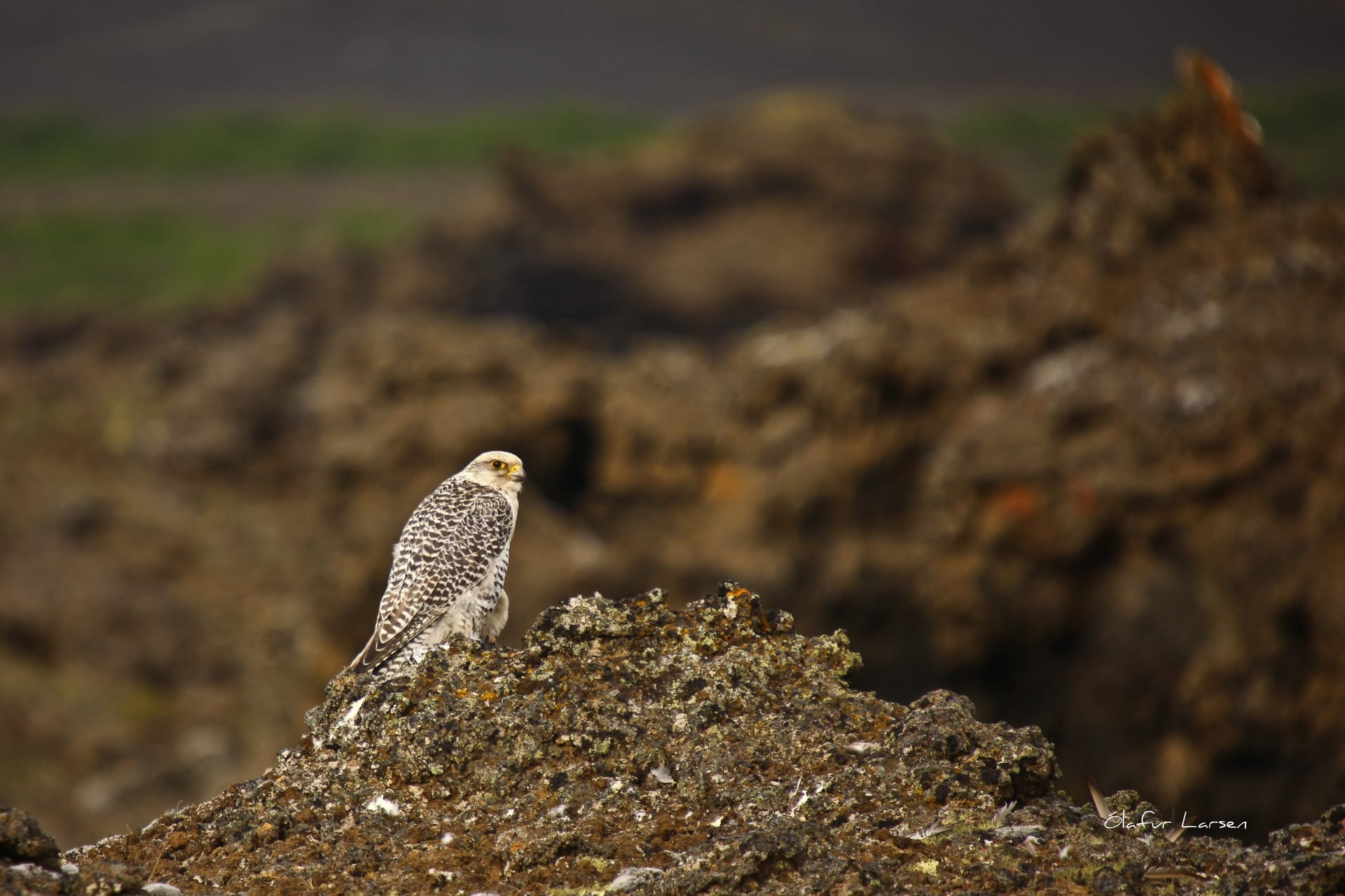
 © Ólafur Larsen / CC BY-SA 2.0
Gyrfalcon
The Gyrfalcon is the largest species in the falcon genus, and its pale-morph individuals are almost entirely white — the origin of its Japanese name, "Shiro-hayabusa" (white falcon). It breeds in Arctic tundra and forest regions and migrates to more open habitats in winter. Powerful, fast-flying, and strikingly built, it has a commanding presence that appeals to raptor enthusiasts. At the same time, it has a bold, assertive temperament and requires specialized knowledge and experience to keep well. Anyone considering this species should first understand its size and natural behavior thoroughly.
View Gyrfalcon encyclopedia →0% commission on your first sales!Register by September 30, 2026 and your first 2 sales are commission-free!
Breeder Wanted!
List on BreederDirect and sell directly to customers nationwide!
Six Transparency Commitments from BreederDirect
All Birds listings include complete Breeder transparency: hand-raised status, DNA sex determination, and health certification details.
- Hand-Raised
- DNA Sex-Determined
- Health Certified
- Origin Disclosed
- Color Variation Specified
- Age in Months Disclosed
Browse all 247 breeds
Care Level
Verified breeders wanted for Birds
Breeders are signing up now ahead of launch. Subscribe to be notified when new listings go live.
Getting alerts is free with a member account. When new listings match your saved search, we'll notify you by email and in-app.
Browse other categories
Verified breeders (preview)
Gyrfalcon key facts
- Care level
- Advanced
- Lifespan
- 15-20 years
- Size
- Males 48-61cm and 805-1,350g with a wingspan of 110-130cm; females 51-65cm and 1,180-2,100g with a wingspan of 124-134cm
- Diet
- Frozen raptor food such as quail, day-old chicks, pigeon and rats; in the wild birds and mammals, birds more often taken on the ground than in the air
- Cage
- As the largest falcon it needs a spacious weather-proof, predator-proof mews or tethered housing plus daily free flight. Being an Arctic bird it suffers in heat, so provide shade, ventilation and summer cooling.
- Temperament
- A solitary hunter with no group sociability. Large and powerful, it has been prized in falconry for centuries, but handling demands real experience and sustained weight management.
- Vocalization
- When excited or defending a nest it repeats a harsh low call. It is not a persistent caller, but the volume matches its size.
- Notes
- CITES Appendix I. It is a designated internationally endangered species in Japan, so transfer or sale requires a registration certificate; only captive-bred birds are traded, so always check the certificate and provenance. It tolerates heat poorly and Japanese summers bring a real risk of aspergillosis, so temperature and hygiene must be managed closely.
About Gyrfalcon
A guide to the Gyrfalcon, the largest falcon species — its striking white plumage, Arctic origins, temperament, size differences, and what advanced keepers should know before bringing one home.
7 things to know before welcoming a Gyrfalcon
1An Advanced-Level Raptor
The Gyrfalcon is considered a difficult species to keep well. Handling one calls for specialized raptor knowledge and hands-on experience. First-time keepers should study thoroughly and prepare well in advance.
2Marked Size Difference by Sex
Males measure roughly 48–61 cm and weigh 805–1,350 g, while females are noticeably larger at 51–65 cm and 1,180–2,100 g. Wingspan reaches 110–130 cm in males and 124–134 cm in females, so the space you'll need depends on the sex of the bird you bring home.
3Room to Fly
With a wingspan exceeding a meter, this large raptor needs daily space to stretch its wings and equipment that allows safe flight. A cramped setup puts unnecessary strain on the bird.
4A Bold, Independent Temperament
True to its raptor nature, the Gyrfalcon is sharp and fiercely independent — it won't bond the way a dog or cat does. Building trust takes patience and consistent handling.
5Color Varies by Individual
Alongside the all-white pale morph, individuals with grayer plumage also exist. The pure white form that gave the species its Japanese name is just one of several color variations.
6Active Year-Round by Nature
Gyrfalcons breed in Arctic tundra and forest and migrate to more open habitat in winter, which keeps them active regardless of season. Owners need an environment that supports that activity level.
7Preparing Before You Bring One Home
Talk with an experienced raptor keeper beforehand and form a concrete picture of the daily care and housing involved. Approach the decision with a genuine, long-term commitment in mind.
Frequently asked questions about Gyrfalcon
- Q.Is the Gyrfalcon suitable for a beginner?
- A.The Gyrfalcon is considered an advanced-level species. It requires specialized raptor knowledge and experience, so it isn't recommended for someone keeping an animal for the first time.
- Q.How different in size are males and females?
- A.Females are noticeably larger — males weigh 805–1,350 g while females reach 1,180–2,100 g. Females also tend to have a longer wingspan than males.
- Q.Are all individuals white?
- A.No. Alongside the all-white pale morph that inspired its Japanese name, individuals with different coloring also exist.
- Q.How much space does it need?
- A.With a wingspan exceeding a meter, this large raptor needs enough room to stretch its wings fully and safe flight equipment. A cramped environment should be avoided.
- Q.What is its temperament like?
- A.It has the sharp, strongly independent nature typical of raptors and won't bond the way a dog or cat does. Keeping one calls for calm, experienced handling.
Useful tools for Gyrfalcon care
Learn more about Gyrfalcon in the encyclopedia
View Gyrfalcon encyclopedia entry →
Care difficulty, lifespan, size and diet — all basics covered.
More in this category
Can't find the one you're looking for?
Post your wishes for free and breeders with matching animals will contact you with introductions.