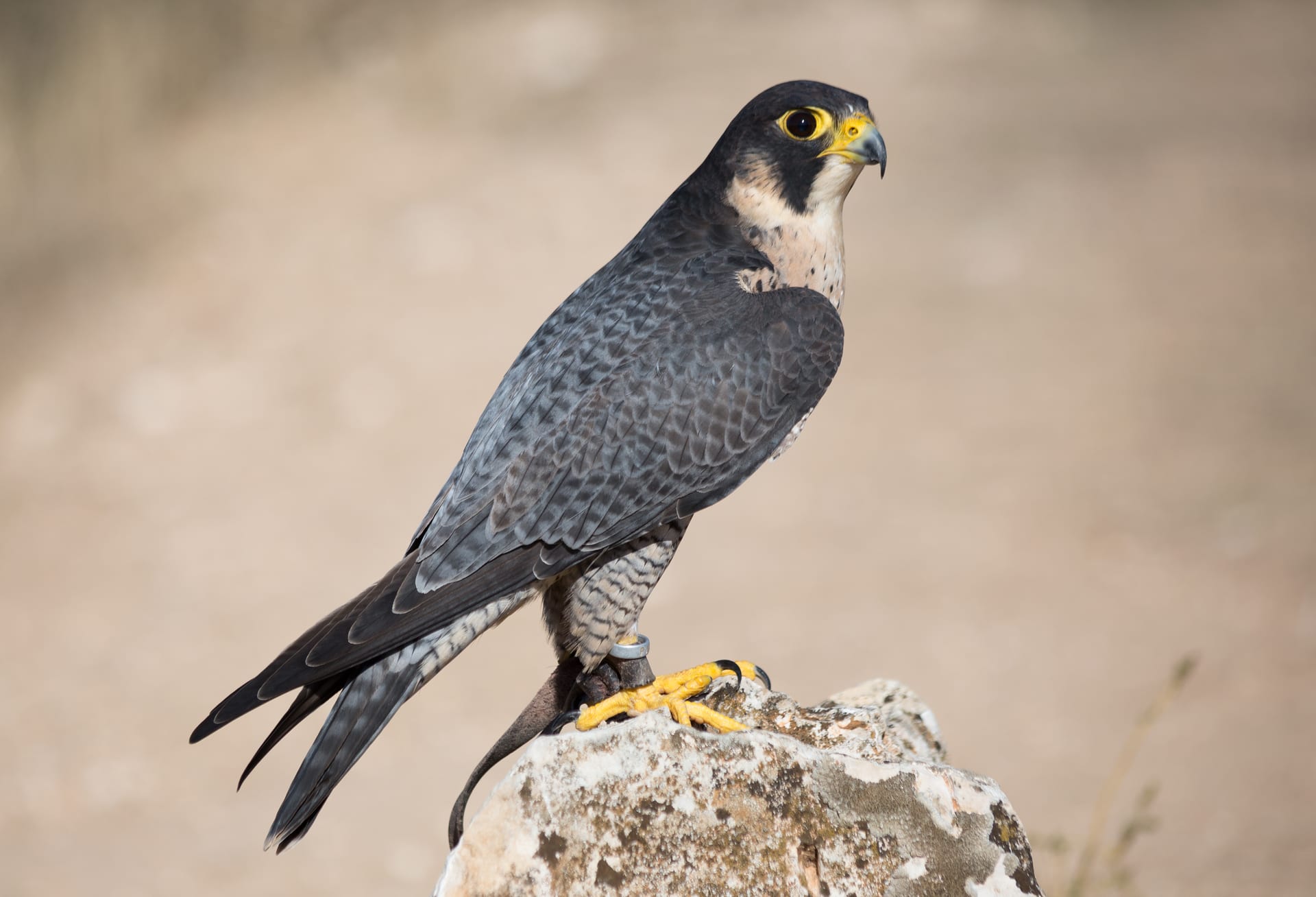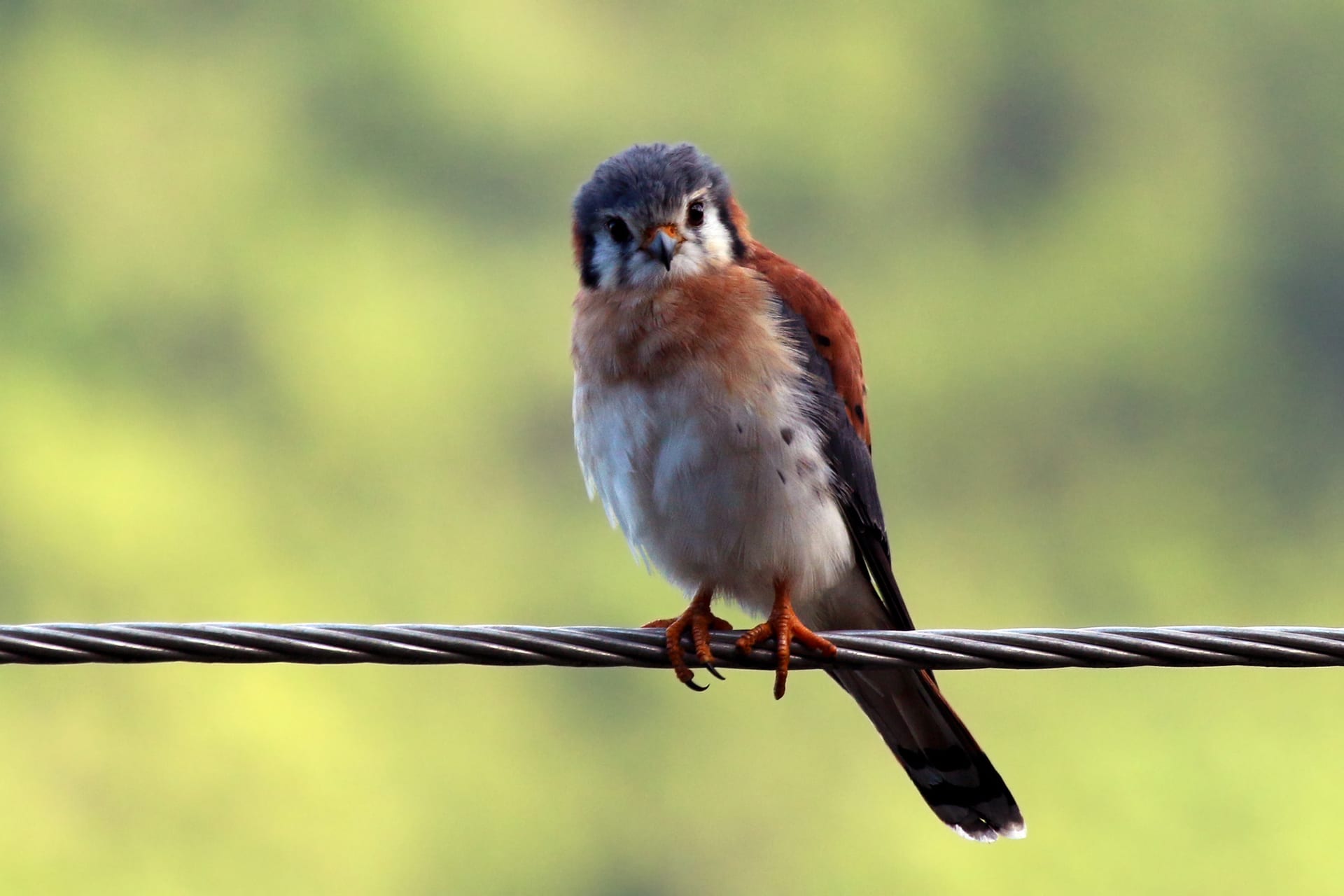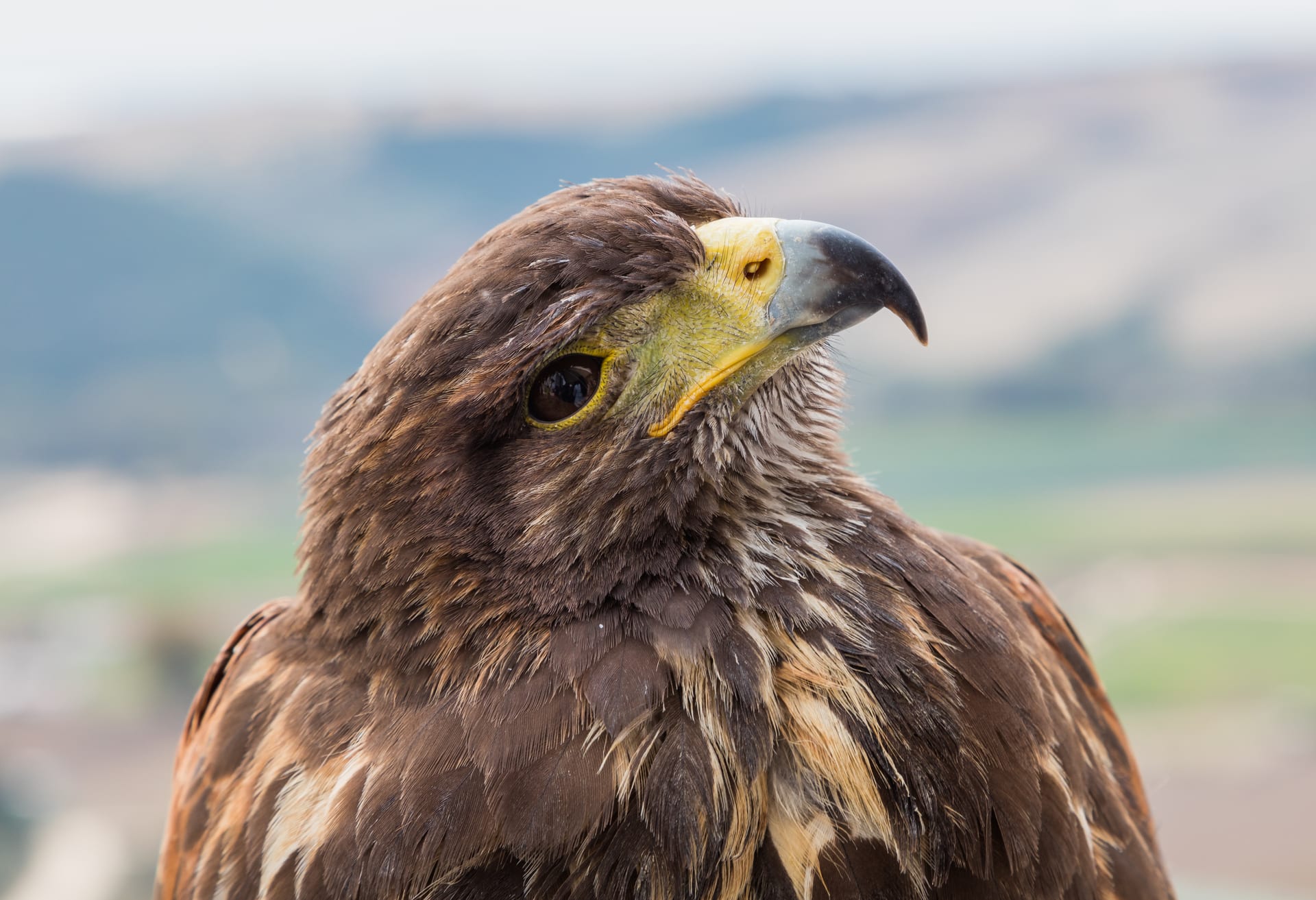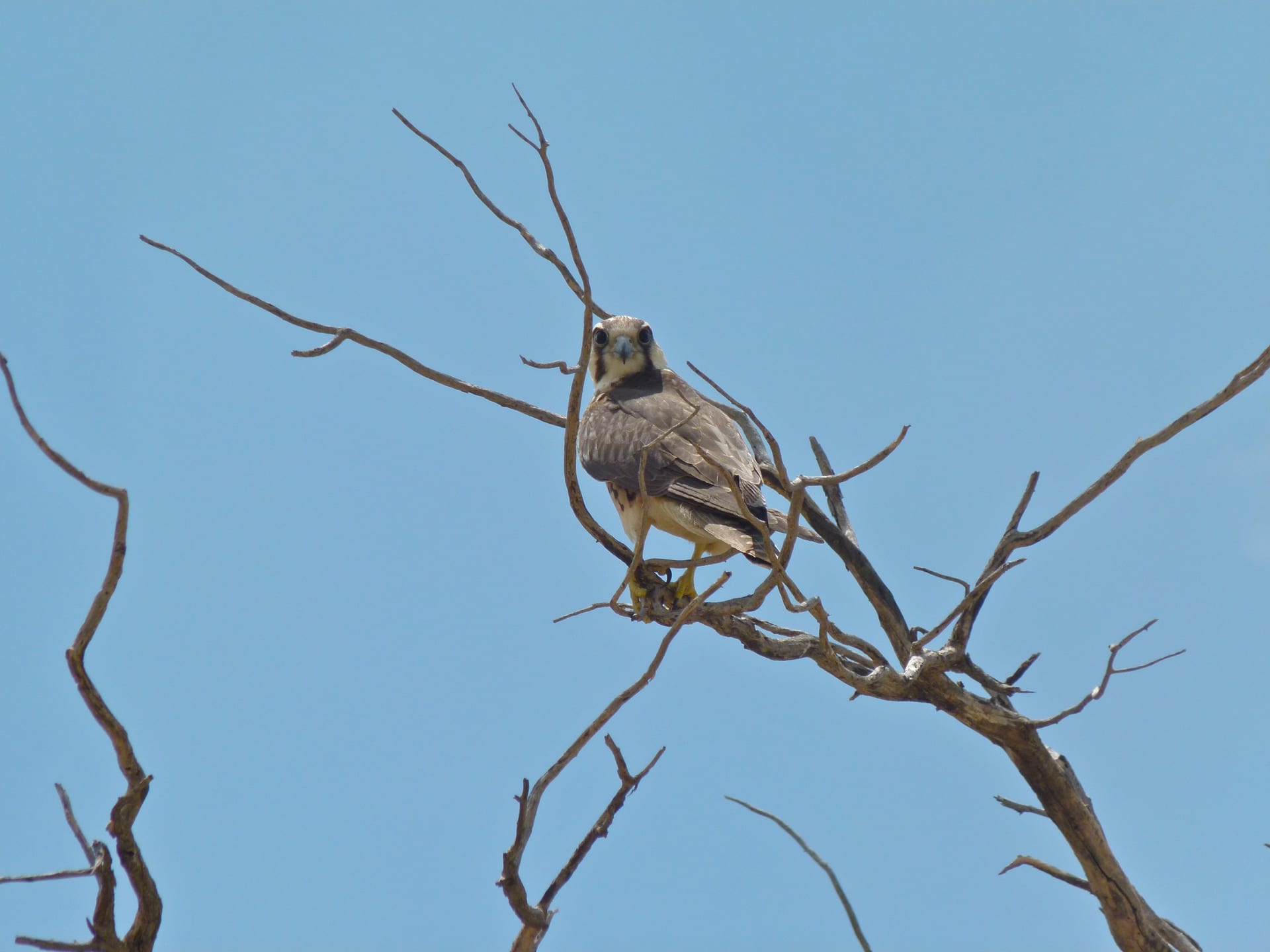
Source: Wikimedia Commons
Gyrfalcon
AdvancedFalco rusticolus
The largest falcon in the world; the pale morph is white overall, which gives the bird its Japanese name. Listed on CITES Appendix I, its transfer or sale requires a registration certificate. It breeds on Arctic tundra and in the surrounding forest, moving to open country in winter.
Difficulty
Advanced
Temperature
15〜30℃
Lifespan
15-20 years
Size
Males 48-61cm and 805-1,350g with a wingspan of 110-130cm; females 51-65cm and 1,180-2,100g with a wingspan of 124-134cm
Humidity
40〜60%
Diet
Frozen raptor food such as quail, day-old chicks, pigeon and rats; in the wild birds and mammals, birds more often taken on the ground than in the air
About
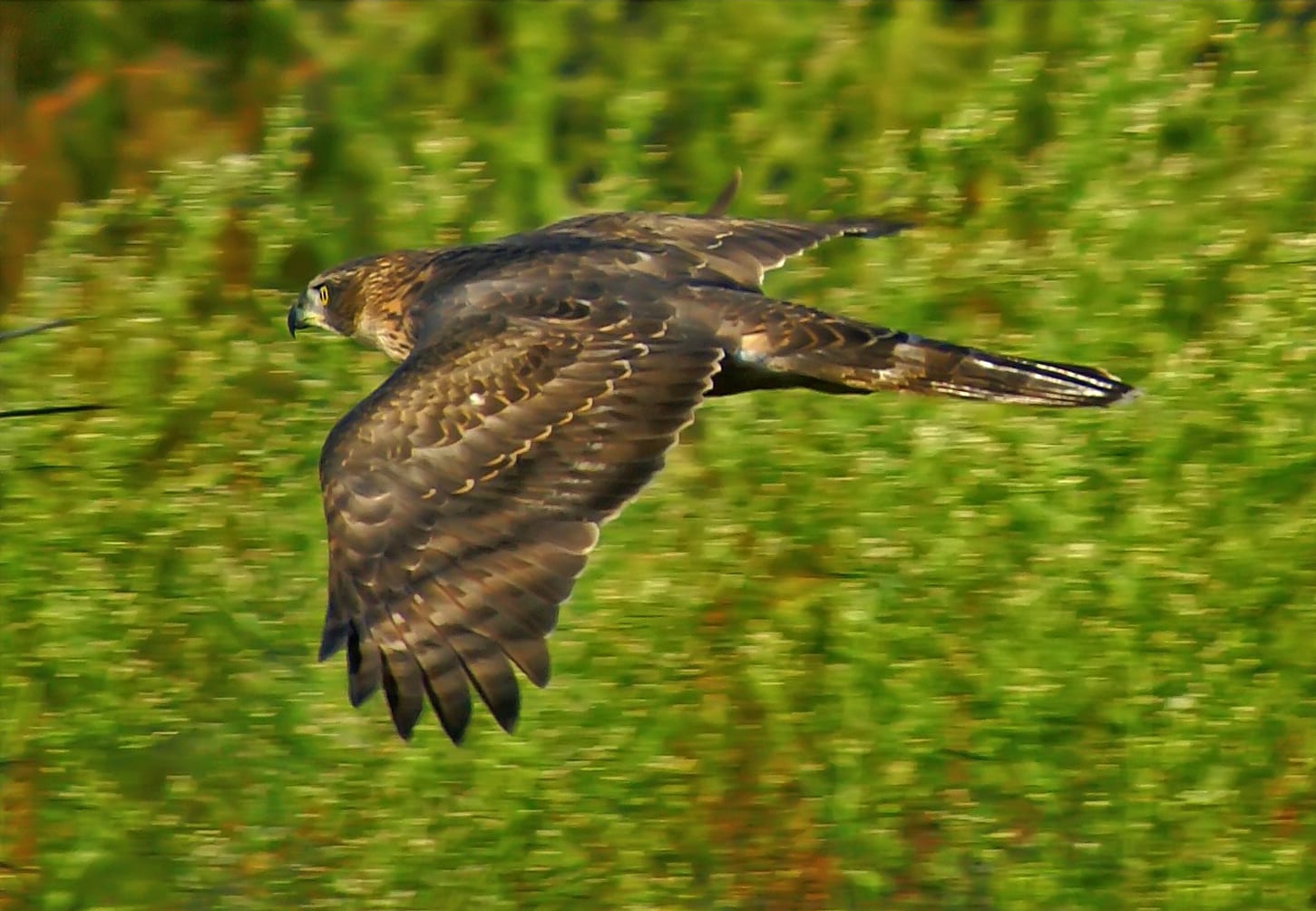
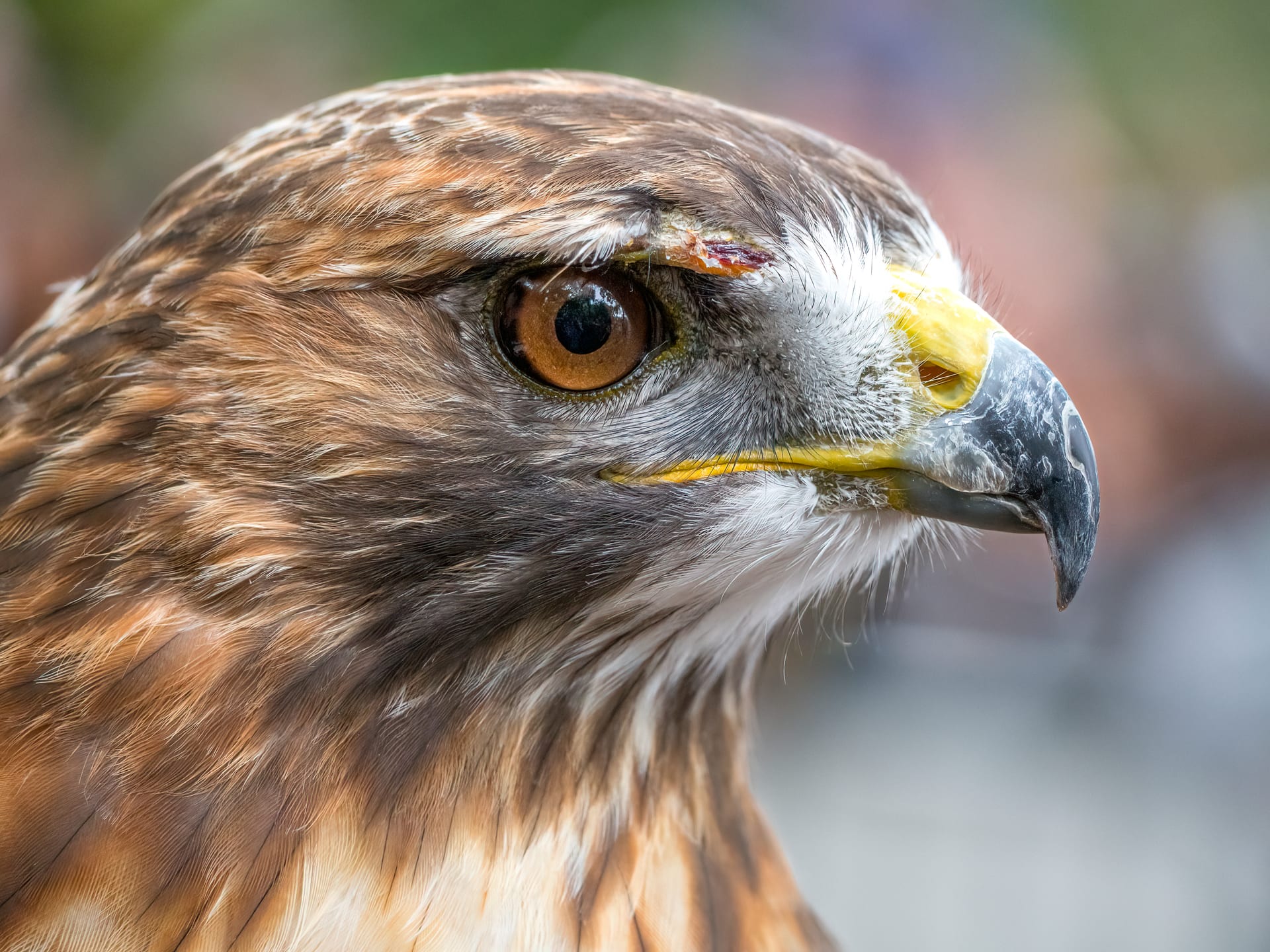
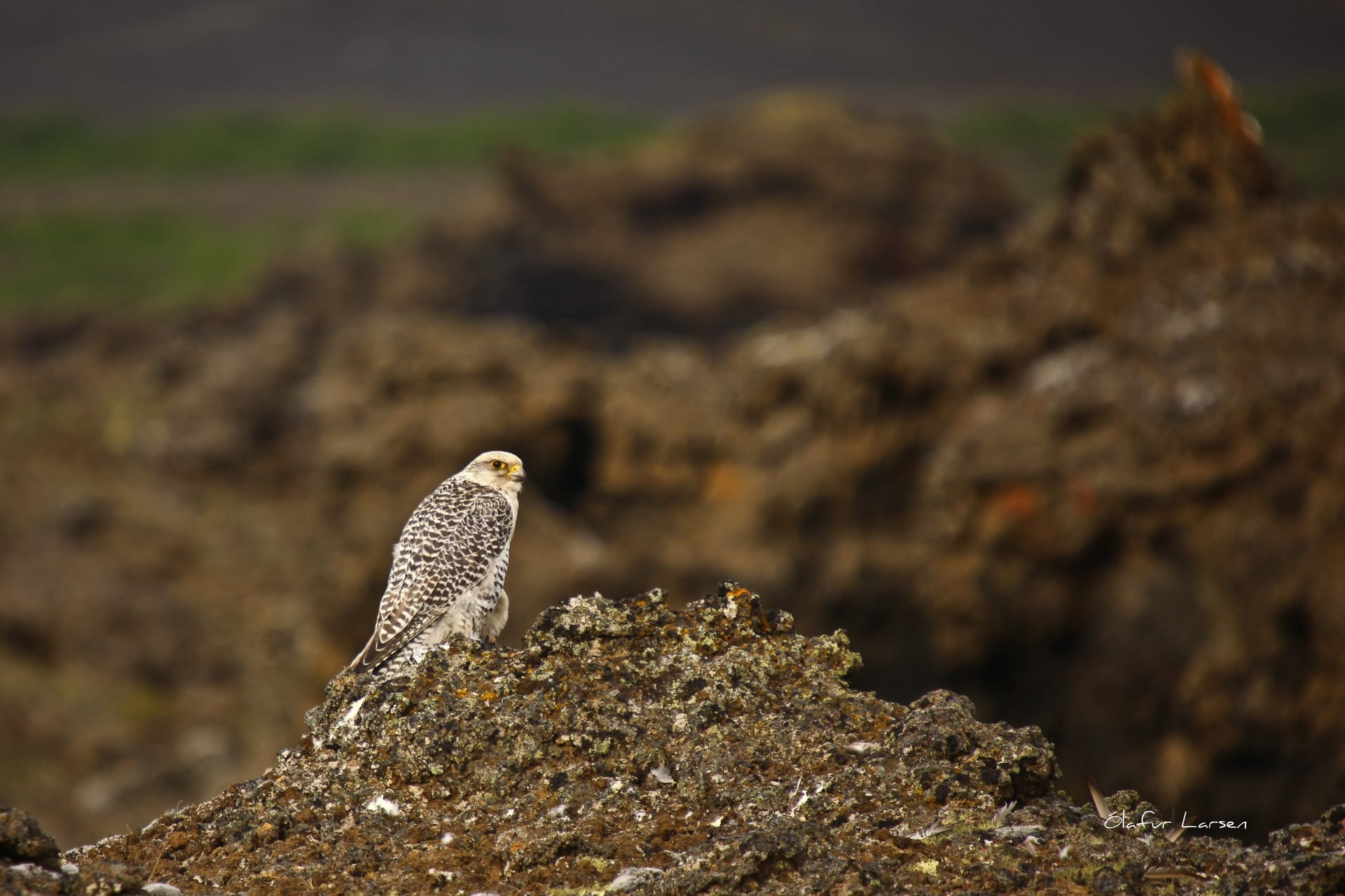
The gyrfalcon (Falco rusticolus) is the largest falcon in the world, breeding around the Arctic in northern Eurasia and North America. It is about the size of the largest buteos but probably somewhat heavier, with pointed wingtips on broad-based wings and a tail slightly longer than a peregrine's. Pale, intermediate and dark morphs occur, and the white pale morph, which gives the bird its Japanese name, is white overall with black scaling above and fine dark markings below, some individuals lacking them entirely. It lives on Arctic tundra and in the surrounding forest and highlands, moving to open coast and moorland in winter. One account derives the English name from the Greek gyros, circle, for the bird's habit of circling as it searches for prey, and in falconry the male is called a gyrkin. Long associated with hunting and falconry, it is the official bird of Canada's Northwest Territories, and the white falcon in the crest of Iceland's coat of arms is a white gyrfalcon. A few birds reach Hokkaido and elsewhere in Japan in winter.
Source: Wikipedia (CC BY-SA 4.0)
Lifespan of the Gyrfalcon
The Gyrfalcon lives 15-20 years.
Size of the Gyrfalcon
The Gyrfalcon grows to Males 48-61cm and 805-1,350g with a wingspan of 110-130cm; females 51-65cm and 1,180-2,100g with a wingspan of 124-134cm.
Males are 48-61 cm long and weigh 805-1,350 g, with reported averages of 1,130 or 1,170 g and a wingspan of 110-130 cm; females are bulkier at 51-65 cm, 1,180-2,100 g and a wingspan of 124-134 cm.
Basic Info
Origin
Arctic and subarctic northern Eurasia and North America; a few birds reach Hokkaido and elsewhere in Japan as winter visitors
Care Specifications
AggressiveSolitary
Sources: Wikipedia - Gyrfalcon / Wikipedia - Gyrfalcon, Japanese edition (morphology, range)
References & Sources
Edited & verified by: BreederDirect editorial team
The taxonomic, regulatory, and husbandry data on this page are compiled and verified against the authoritative primary sources below.
Primary sources
- Wikipedia
- CITES Appendices (Appendix I species)
- IUCN Red List
- Cabinet Order under the Act on Welfare and Management of Animals, appended table (designated dangerous animals)
- Wildlife Protection, Control and Hunting Management Act (Ministry of the Environment, Japan)
- Cabinet Order under Japan's Act on Conservation of Endangered Species of Wild Fauna and Flora, appended tables 1 and 2
- Wikipedia - Gyrfalcon, Japanese edition (morphology, range)
- GBIF
Taxonomy & Authority
Accepted name: Falco rusticolus Linnaeus, 1758
Synonyms: Falco gyrfalco
Authority databases: GBIF
Nomenclature follows global taxonomic authority databases.
Regulations & Conservation Status
CITES Appendix IIUCN LC · Least Concern
Domestic law: As a designated internationally endangered species, transfer or sale requires a registration certificate, and only captive-bred birds are traded.
Falco rusticolus. CITES Appendix I. In Japan it is a designated internationally endangered species, so transfer or sale requires a registration certificate. It is not among Japan's designated dangerous animals, and because a few birds winter in Japan, wild individuals also fall under the wildlife protection law. Under appended table 2 of Japan's endangered species order, birds other than the subspecies intermedius may be transferred or sold with a registration certificate.
Sources: CITES Appendices (Appendix I species) / IUCN Red List / Cabinet Order under the Act on Welfare and Management of Animals, appended table (designated dangerous animals) / Wildlife Protection, Control and Hunting Management Act (Ministry of the Environment, Japan) / Cabinet Order under Japan's Act on Conservation of Endangered Species of Wild Fauna and Flora, appended tables 1 and 2
Regulations may change. Always verify the latest information with the relevant authorities.
Gyrfalcon Listings
Loading latest listingsFind listings for this species