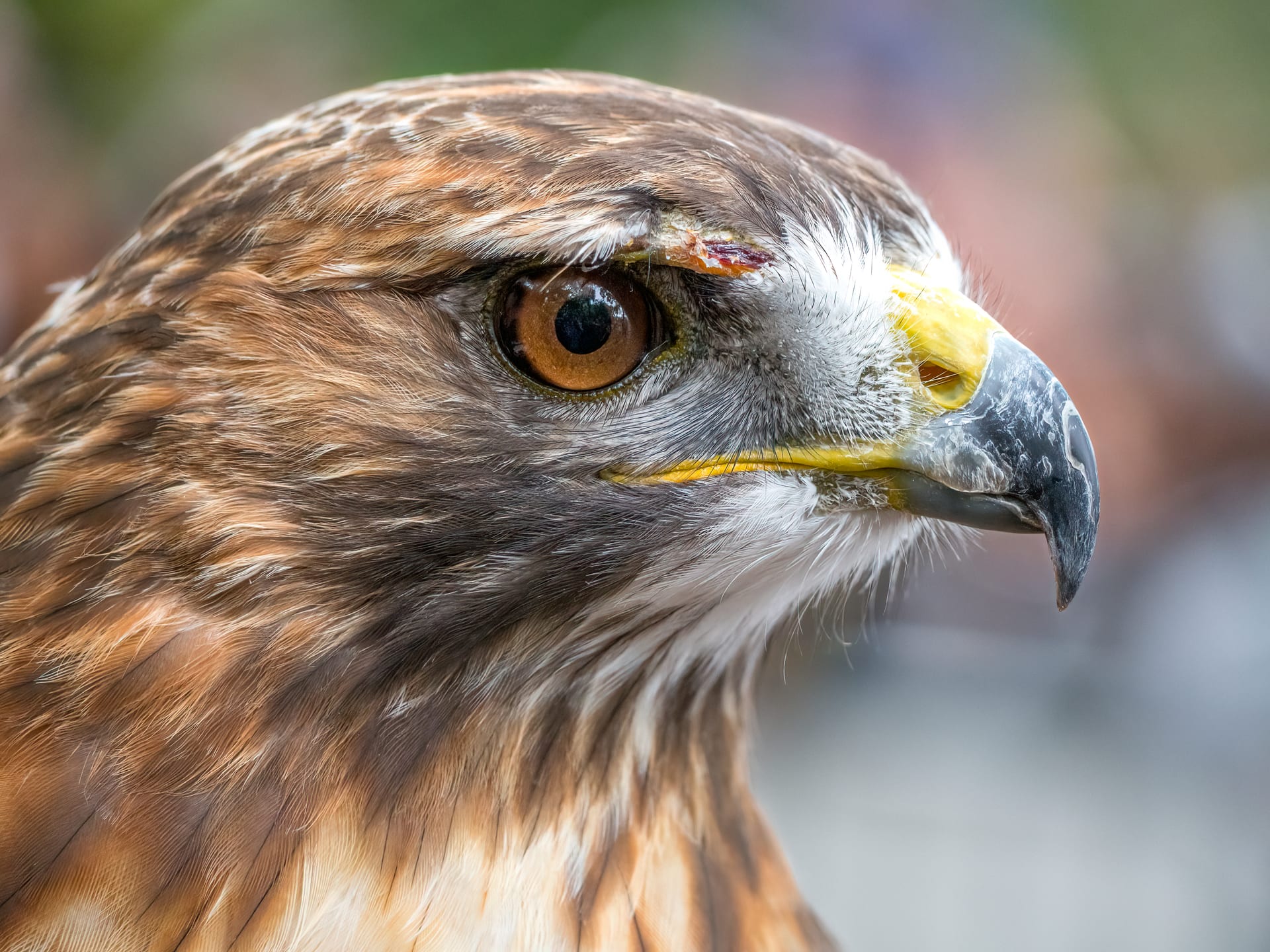
Source: Wikimedia Commons
Red-tailed Hawk
AdvancedButeo jamaicensis
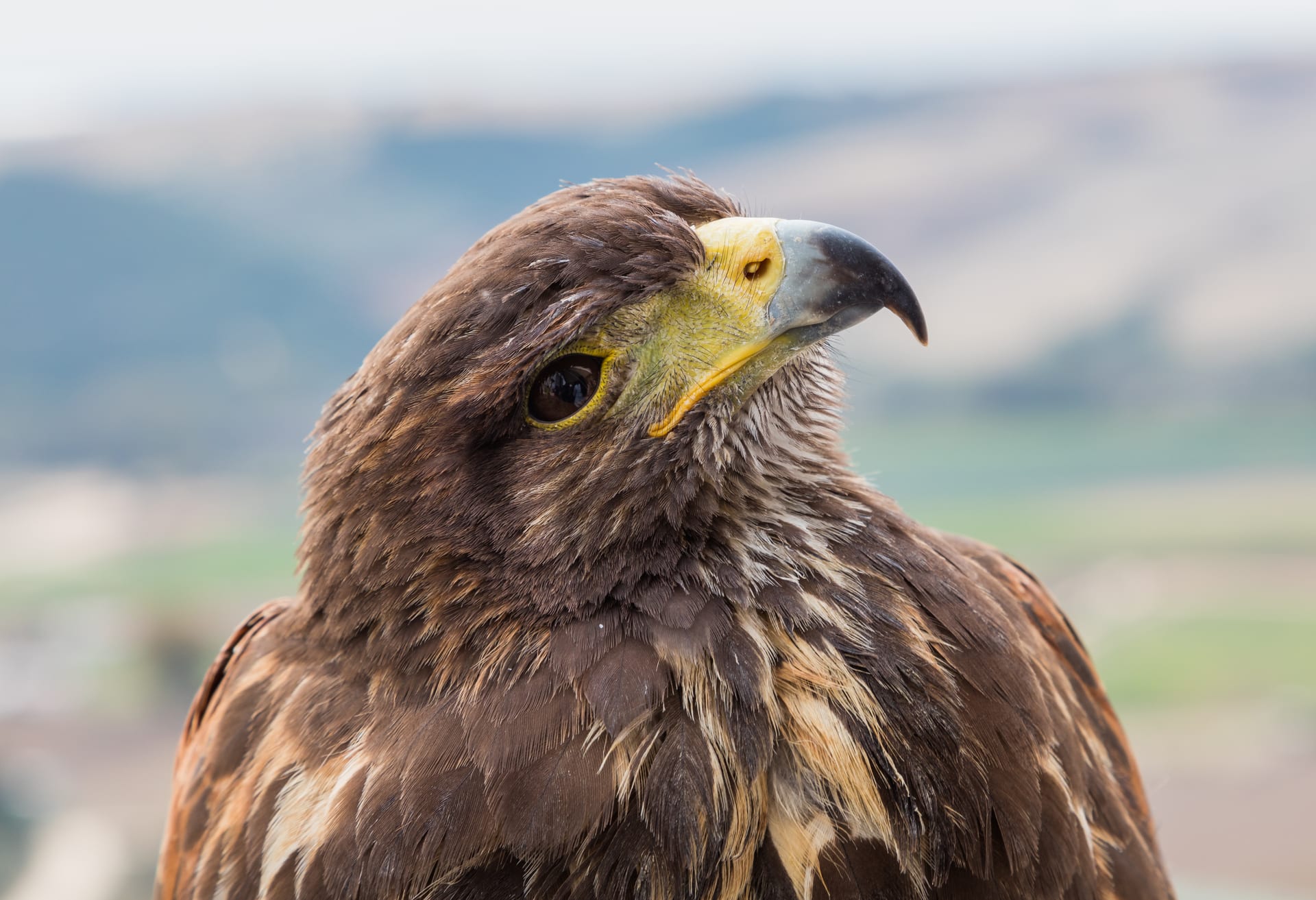
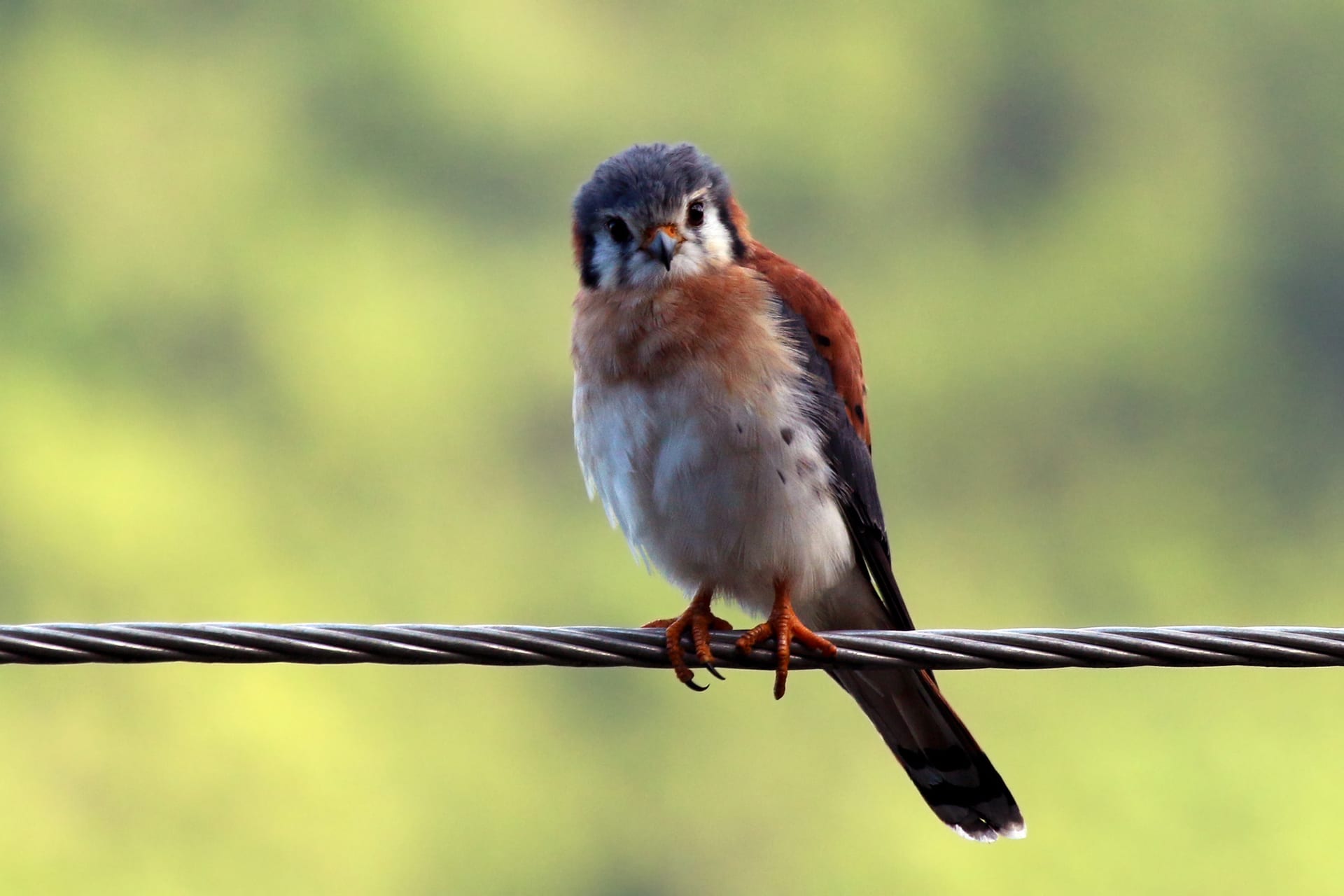
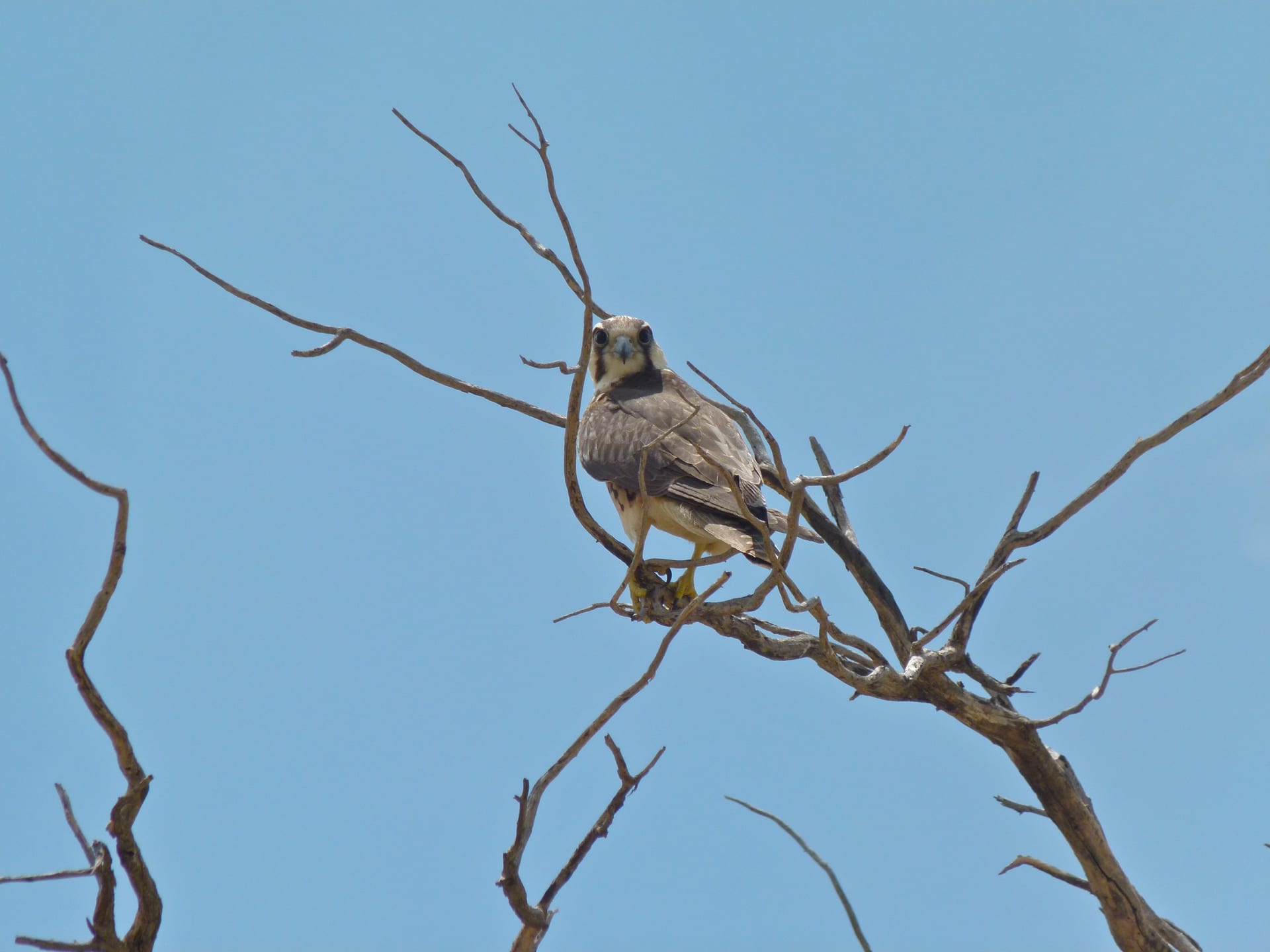
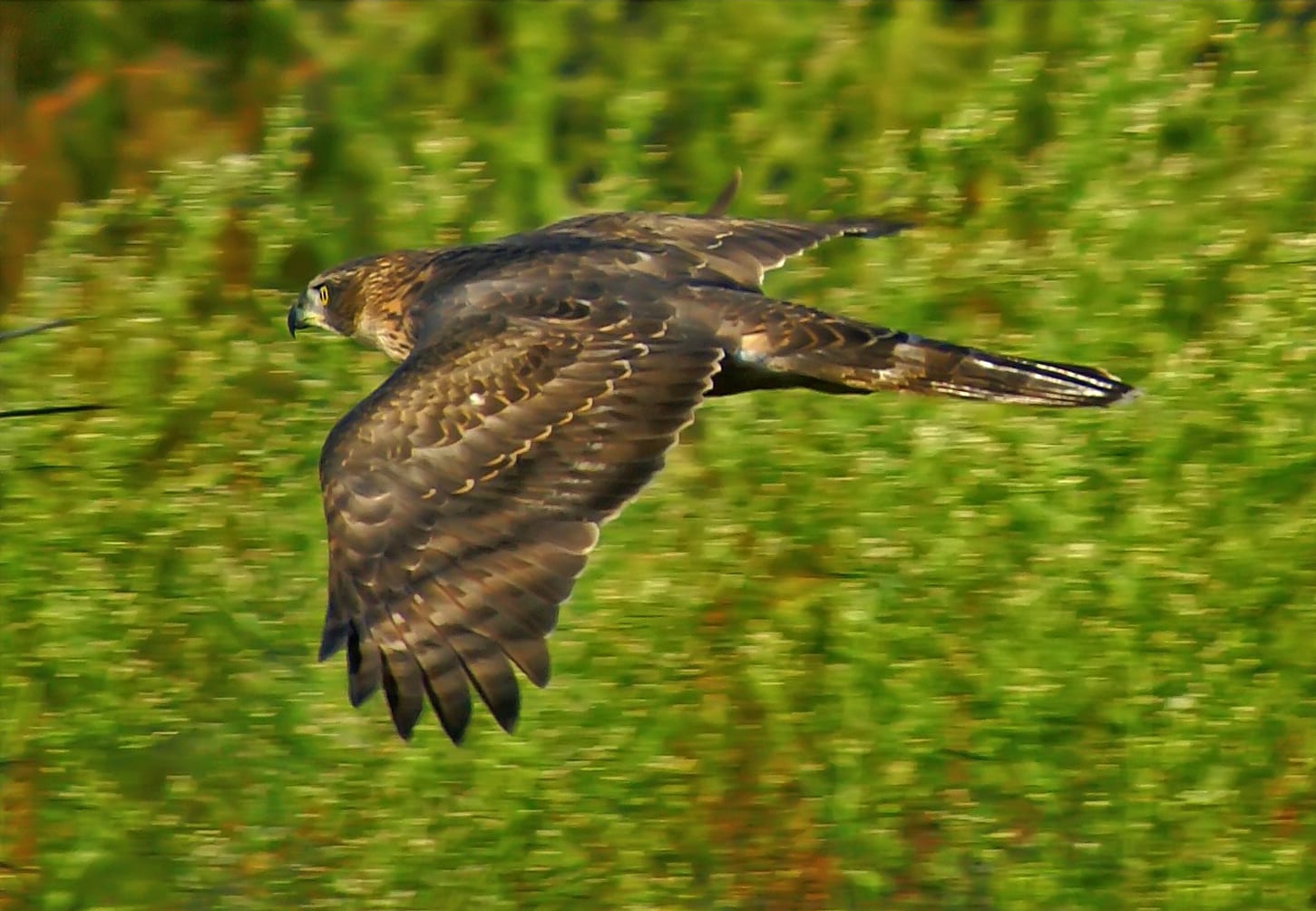
The commonest Buteo in North America, named for the uniformly brick-red upper tail. Stocky with broad wings, its manageability makes it the hawk most used in American falconry. Females are about 25 per cent heavier than males.
Difficulty
Advanced
Temperature
15〜30℃
Lifespan
About 21 years
Size
45-65cm (wingspan 110-145cm, 690-1,600g; females about 25% heavier than males)
Humidity
40〜60%
Diet
Frozen raptor food such as quail, day-old chicks and mice; in the wild small mammals, birds, reptiles and amphibians
About
The red-tailed hawk (Buteo jamaicensis) is one of the largest members of the genus Buteo in North America. Stocky with broad wings, it is told from other North American hawks by the tail, uniformly brick-red above and pale buff below, which gives the bird its name. Gmelin described it in 1788, and many subspecies differ in plumage and range, with Harlan's hawk sometimes treated as a separate species. It occupies woodland and open country, hunting by soaring or watching from a conspicuous perch. Northern birds migrate, and up to 19,000 have been counted in spring at the Derby Hill hawk watch in Oswego, New York. It is protected in Canada, Mexico and the United States under the Migratory Bird Treaty. Because it is abundant and readily trained, most hawks taken for falconry in the United States are red-tails, and it is one of the few species allowed to novice falconers.
Source: Wikipedia (CC BY-SA 4.0)
Lifespan of the Red-tailed Hawk
The Red-tailed Hawk lives About 21 years.
Size of the Red-tailed Hawk
The Red-tailed Hawk grows to 45-65cm (wingspan 110-145cm, 690-1,600g; females about 25% heavier than males).
It is 45-65 cm long with a wingspan of 110-145 cm and weighs 690-1,600 g, females being about 25 per cent heavier than males.
Basic Info
Origin
North America, from Alaska and Canada to Panama and the West Indies
Lifespan
About 21 years
Size
Care Specifications
Semi-aggressiveSolitary
Sources: Wikipedia - Red-tailed hawk / Wikipedia - Red-tailed hawk, Japanese edition (morphology, ecology)
References & Sources
Edited & verified by: BreederDirect editorial team
The taxonomic, regulatory, and husbandry data on this page are compiled and verified against the authoritative primary sources below.
Taxonomy & Authority
Accepted name: Buteo jamaicensis (Gmelin, 1788)
Synonyms: Falco jamaicensis
Authority databases: GBIF
Nomenclature follows global taxonomic authority databases.
Regulations & Conservation Status
CITES Appendix IIIUCN LC · Least Concern
Buteo jamaicensis. Covered by the order-level listing of Accipitriformes in CITES Appendix II, so international trade requires an export permit. It is not among Japan's designated dangerous animals.
Sources: CITES Appendices (Appendix II) / IUCN Red List / Cabinet Order under the Act on Welfare and Management of Animals, appended table (designated dangerous animals)
Regulations may change. Always verify the latest information with the relevant authorities.
Red-tailed Hawk Listings
Loading latest listingsFind listings for this species