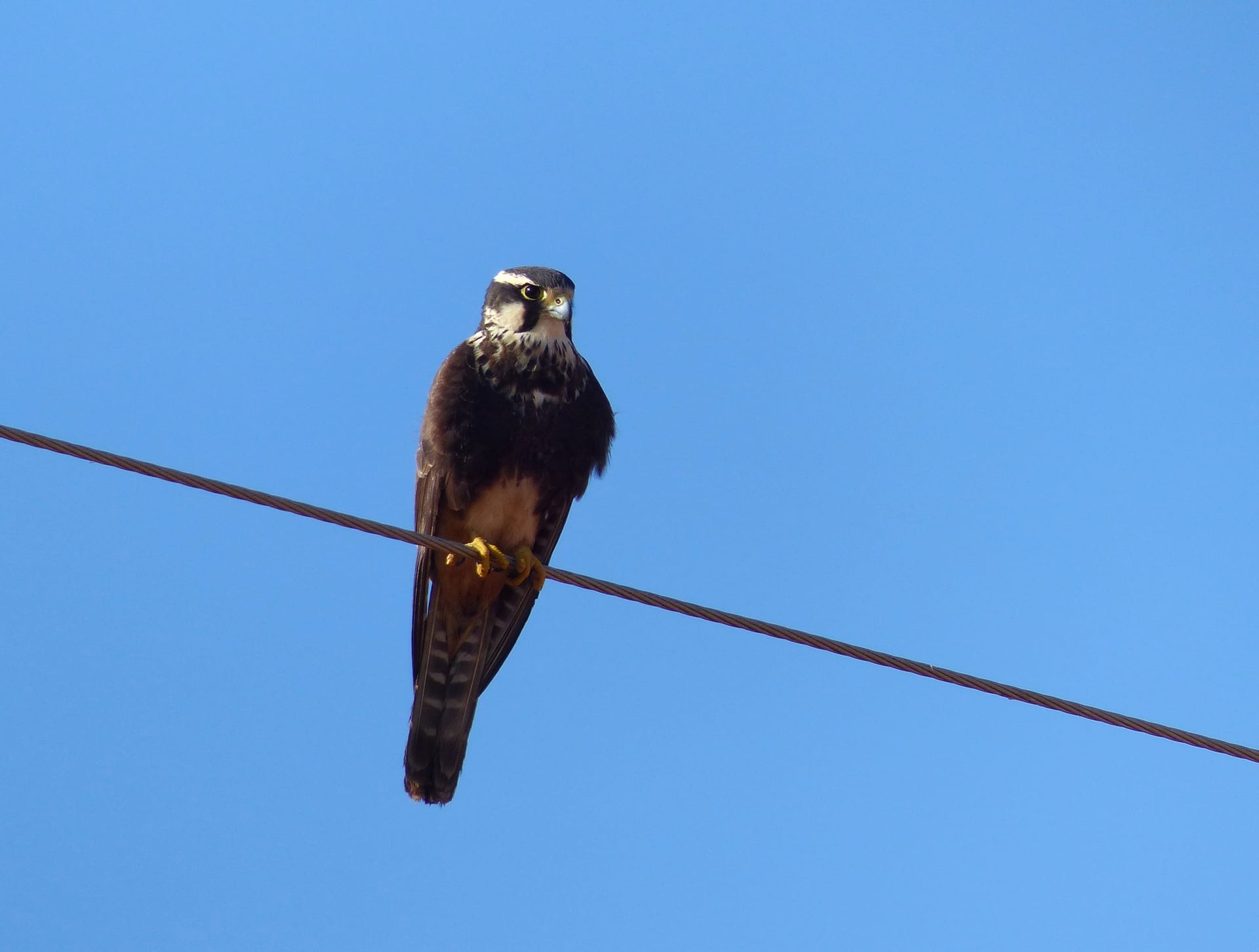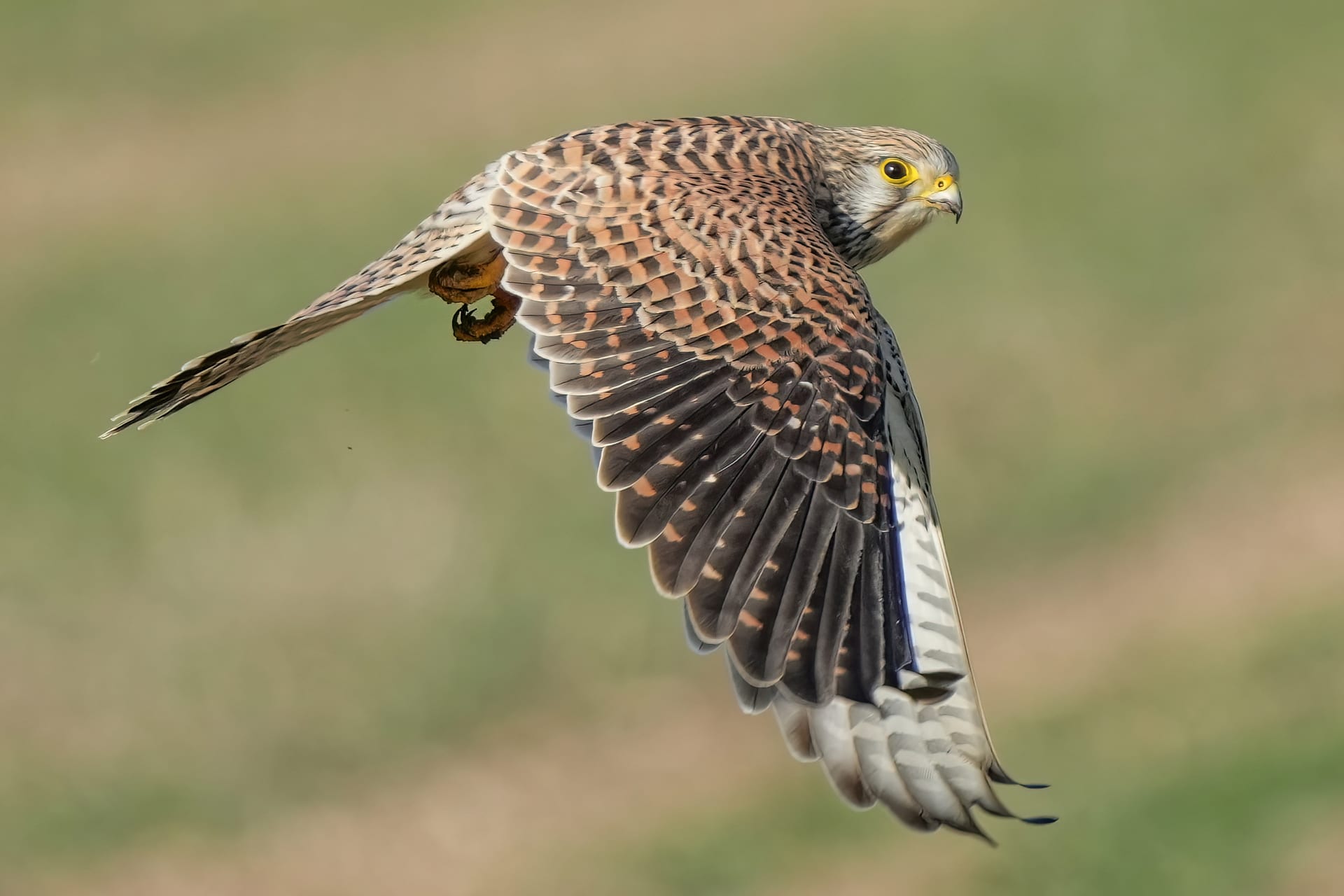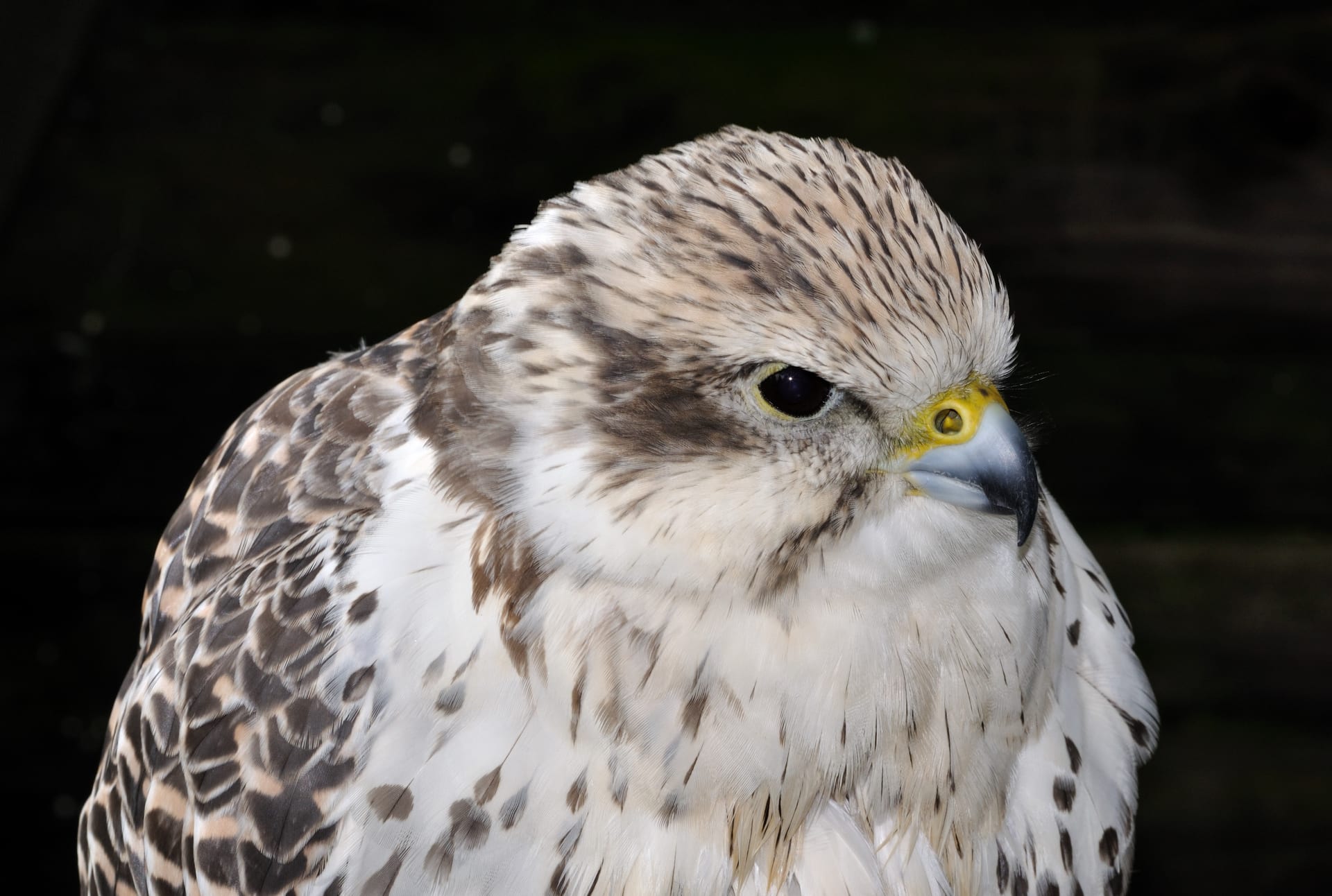
Source: Wikimedia Commons
Saker Falcon
AdvancedFalco cherrug
A large falcon, second in size only to the gyrfalcon, flown in Middle Eastern falconry for thousands of years. The IUCN assesses it as Endangered and it is listed on CITES Appendix II.
Difficulty
Advanced
Temperature
15〜30℃
Lifespan
15-20 years
Size
45-57cm (wingspan 97-126cm; males 730-990g, females 970-1,300g)
Humidity
40〜60%
Diet
Frozen raptor food such as quail and day-old chicks; in the wild medium to large birds and mammals
About
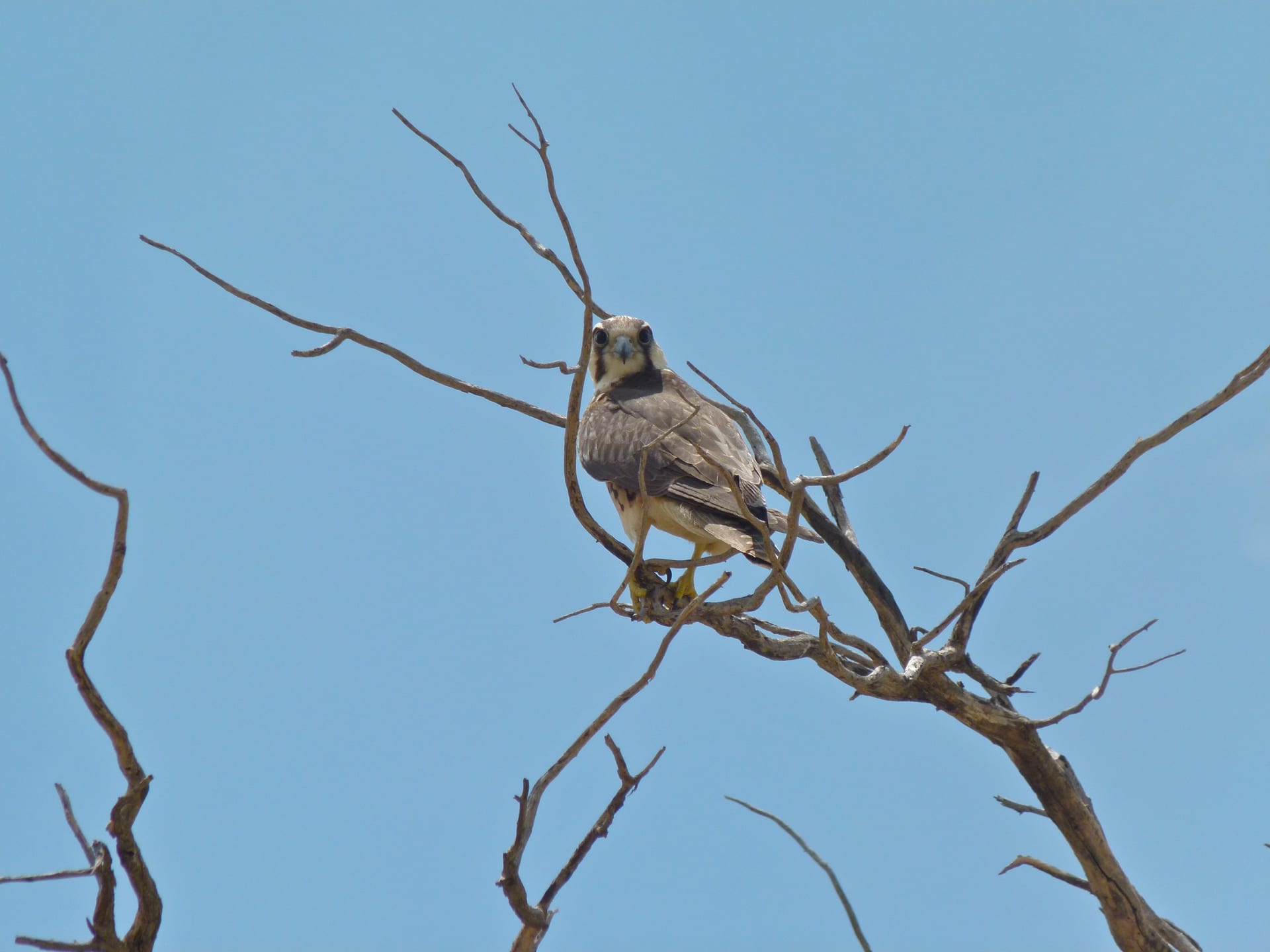
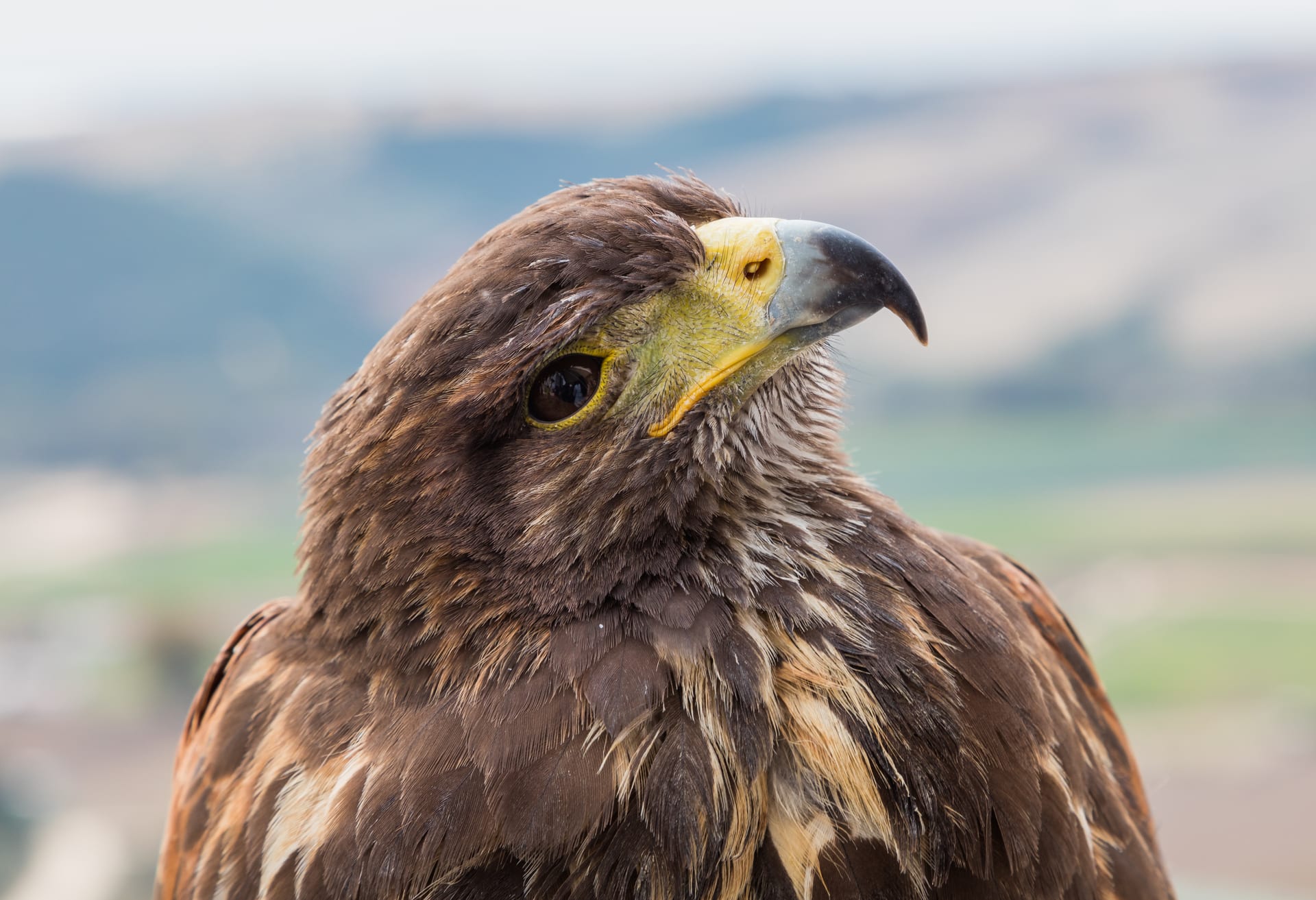
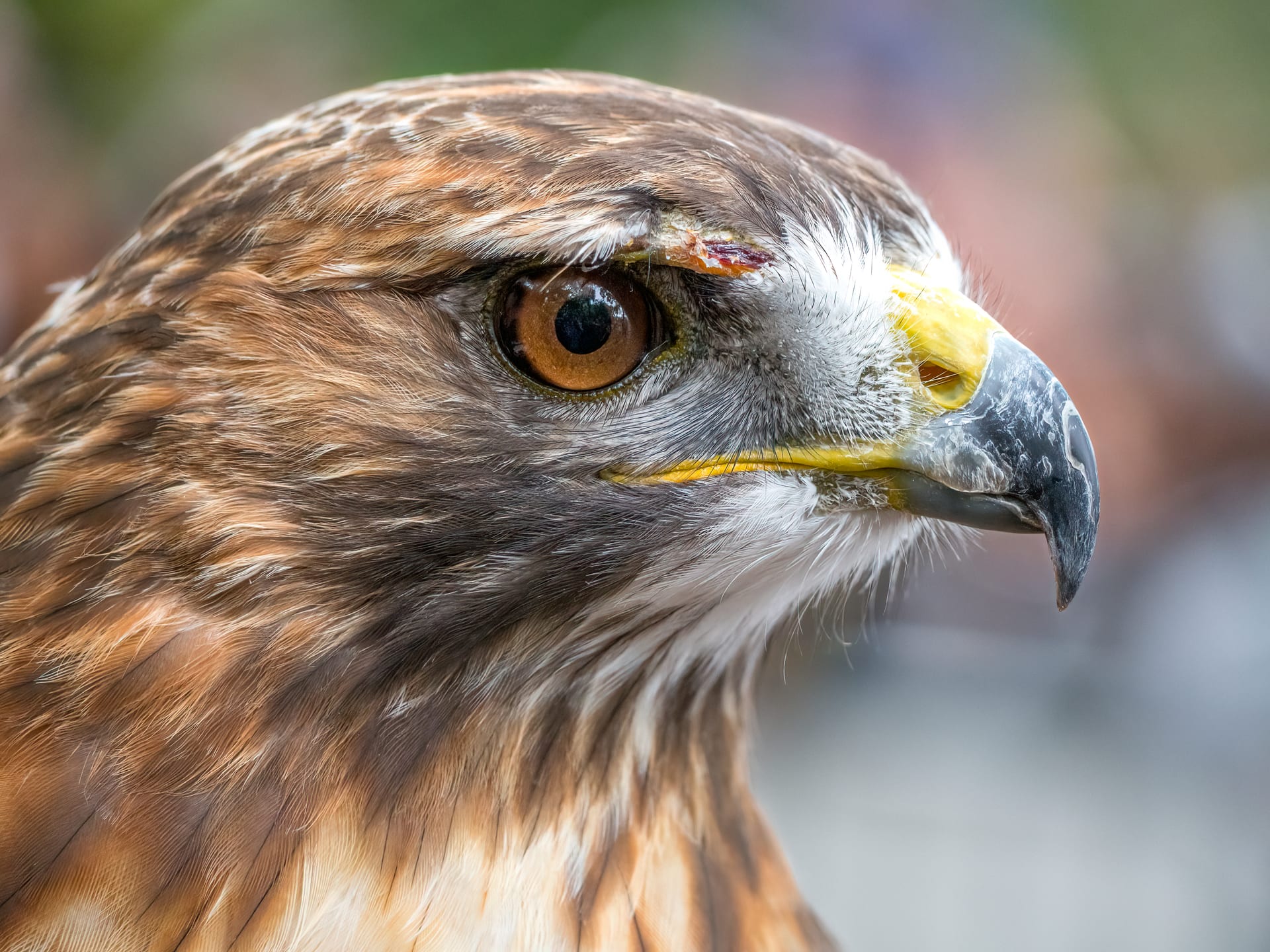
The saker falcon (Falco cherrug) is a large hierofalcon breeding from central Europe east across the Palearctic to Manchuria. It resembles a larger, browner gyrfalcon and is more heavily built than the lanner. It is a partial migrant: in Europe some juveniles migrate while most adults stay, and European and West Asian migrants winter in the Sahel. Stooping on prey it approaches 300 km/h. The English name comes from the Arabic saqr, falcon, and the bird has been flown in Arabian falconry since ancient times, serving as the national bird of the United Arab Emirates, Saudi Arabia, Kuwait, Qatar, Oman and Yemen, as well as of Hungary - whose mythological Turul is thought to be a saker - and of Mongolia. Altai falcons, once treated as the separate Falco altaicus, are now regarded as a colour morph of this species.
Source: Wikipedia (CC BY-SA 4.0)
Lifespan of the Saker Falcon
The Saker Falcon lives 15-20 years.
Size of the Saker Falcon
The Saker Falcon grows to 45-57cm (wingspan 97-126cm; males 730-990g, females 970-1,300g).
It is larger than the lanner falcon and almost as large as the gyrfalcon, at 45-57 cm long with a wingspan of 97-126 cm; males weigh 730-990 g and females 970-1,300 g.
Basic Info
Origin
From central Europe east across the Palearctic to Manchuria; part of the population migrates and winters in the Sahel
Lifespan
15-20 years
Size
Care Specifications
AggressiveSolitary
Sources: Wikipedia - Saker falcon / Wikipedia - Saker falcon, Japanese edition
References & Sources
Edited & verified by: BreederDirect editorial team
The taxonomic, regulatory, and husbandry data on this page are compiled and verified against the authoritative primary sources below.
Taxonomy & Authority
Accepted name: Falco cherrug J. E. Gray, 1834
Synonyms: Falco altaicus
Authority databases: GBIF
Nomenclature follows global taxonomic authority databases.
Regulations & Conservation Status
CITES Appendix IIIUCN EN · Endangered
Falco cherrug. Covered by the order-level listing of Falconiformes in CITES Appendix II, so international trade requires an export permit. The IUCN assesses it as Endangered. It is not among Japan's designated dangerous animals.
Sources: CITES Appendices (Appendix II) / IUCN Red List / Cabinet Order under the Act on Welfare and Management of Animals, appended table (designated dangerous animals)
Regulations may change. Always verify the latest information with the relevant authorities.
Saker Falcon Listings
Loading latest listingsFind listings for this species