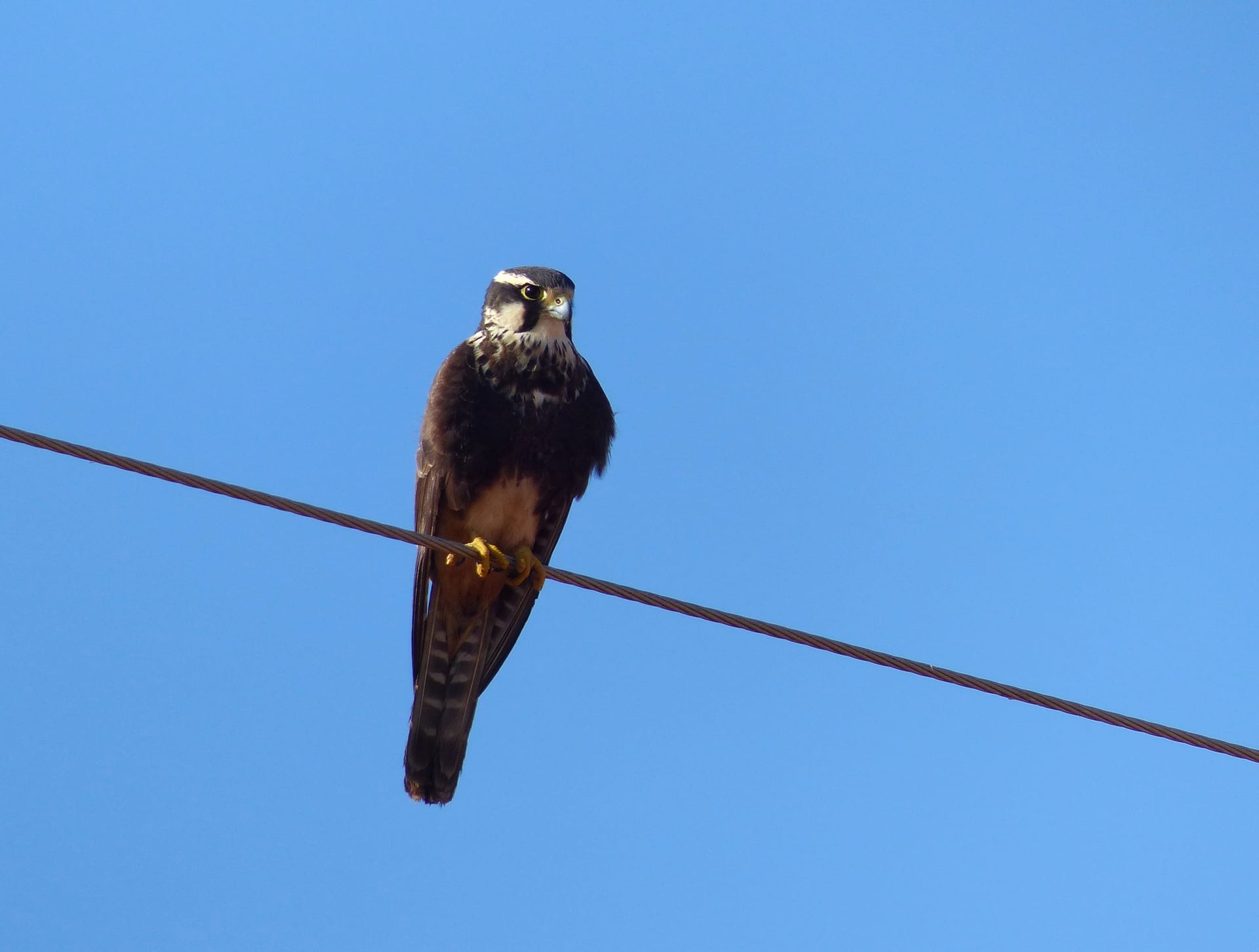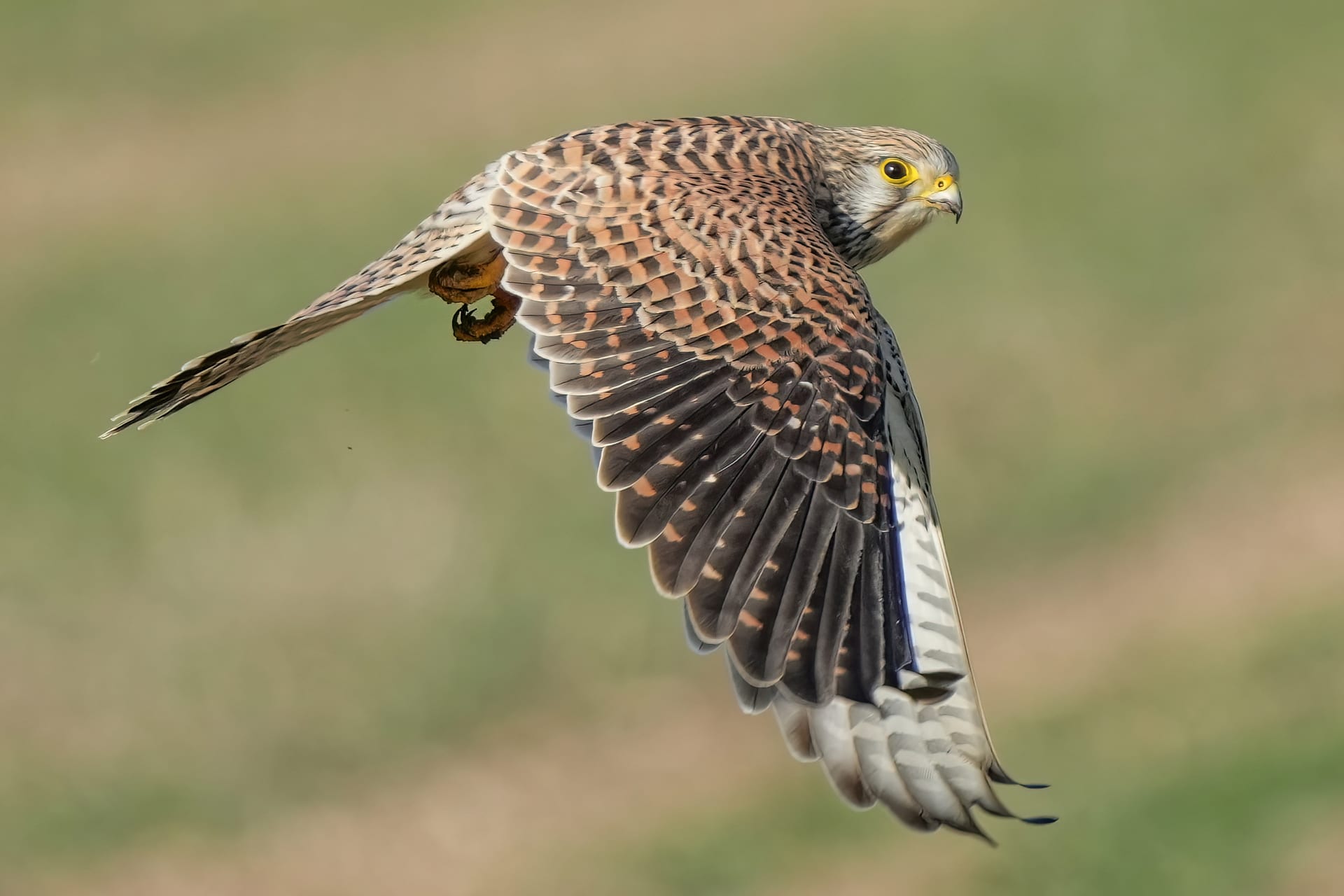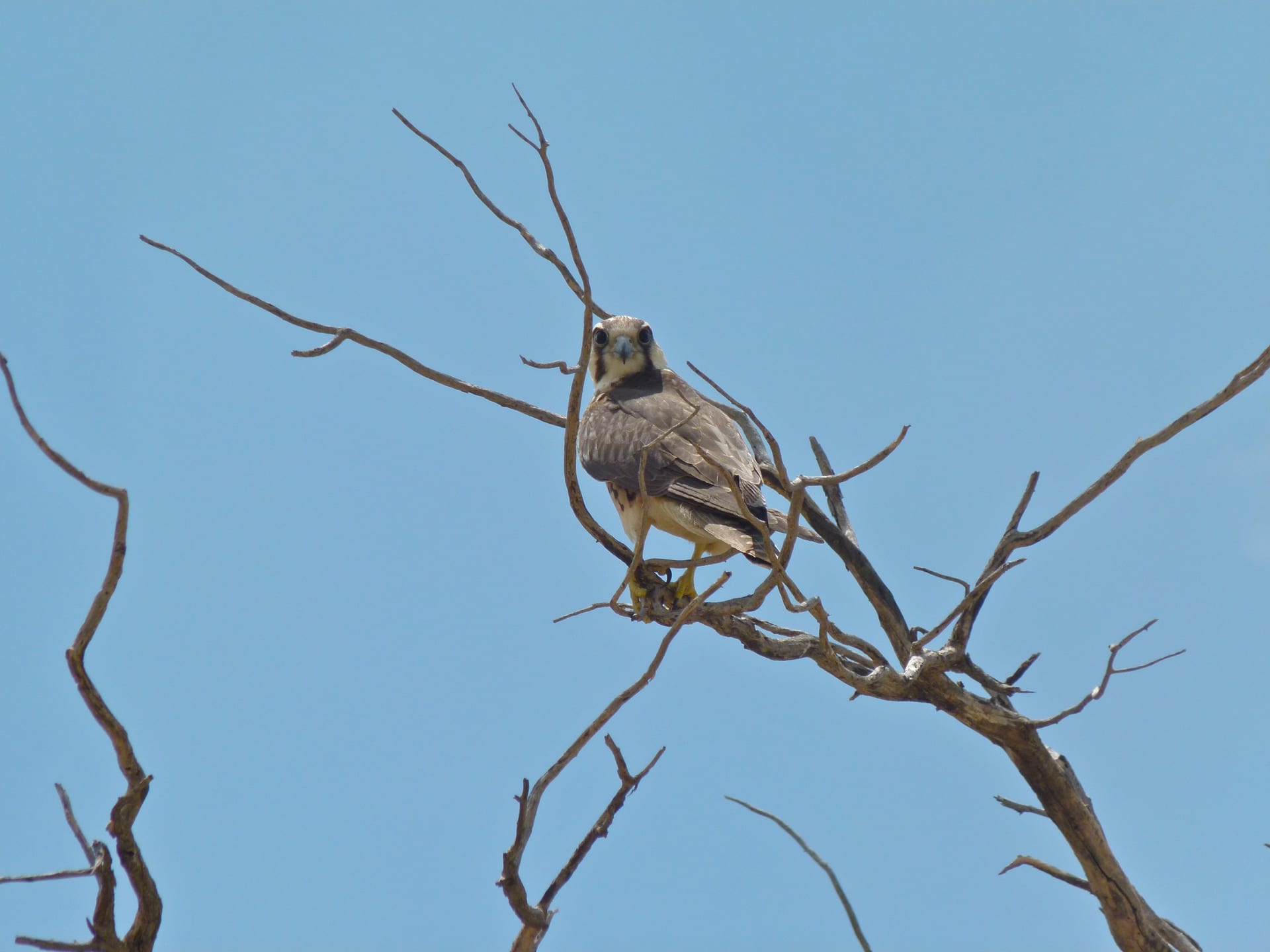
Source: Wikimedia Commons
Lanner Falcon
AdvancedFalco biarmicus
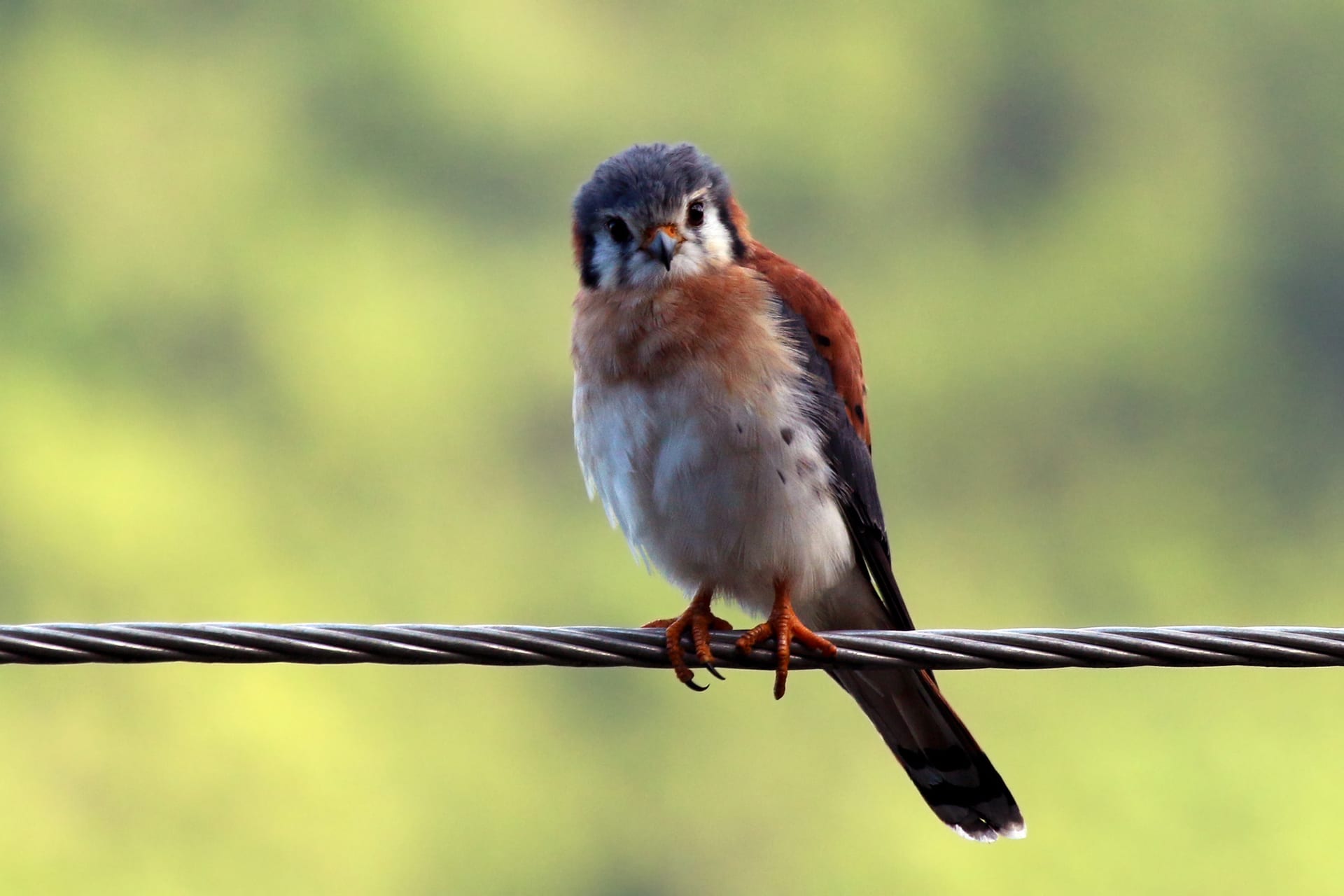
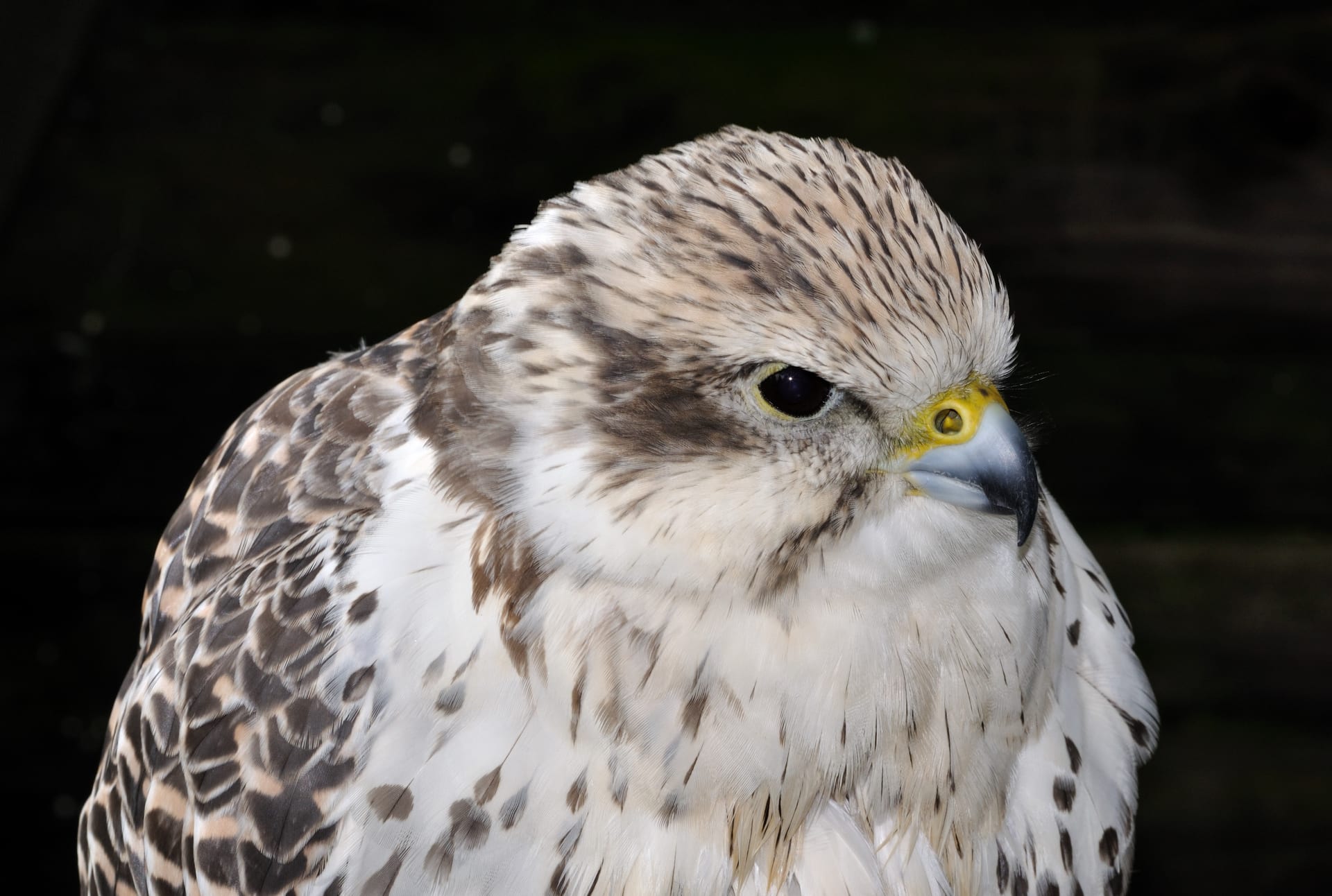
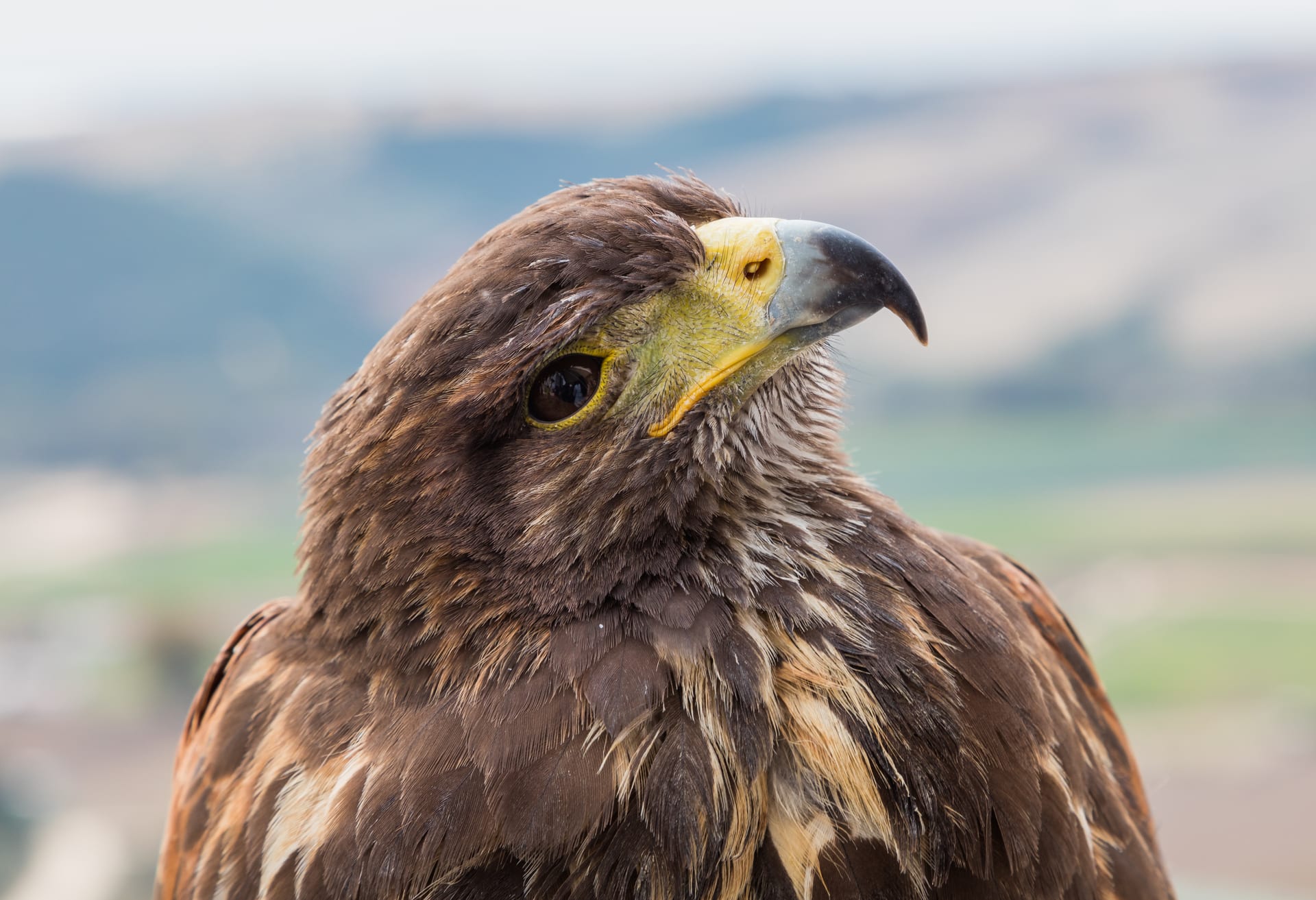
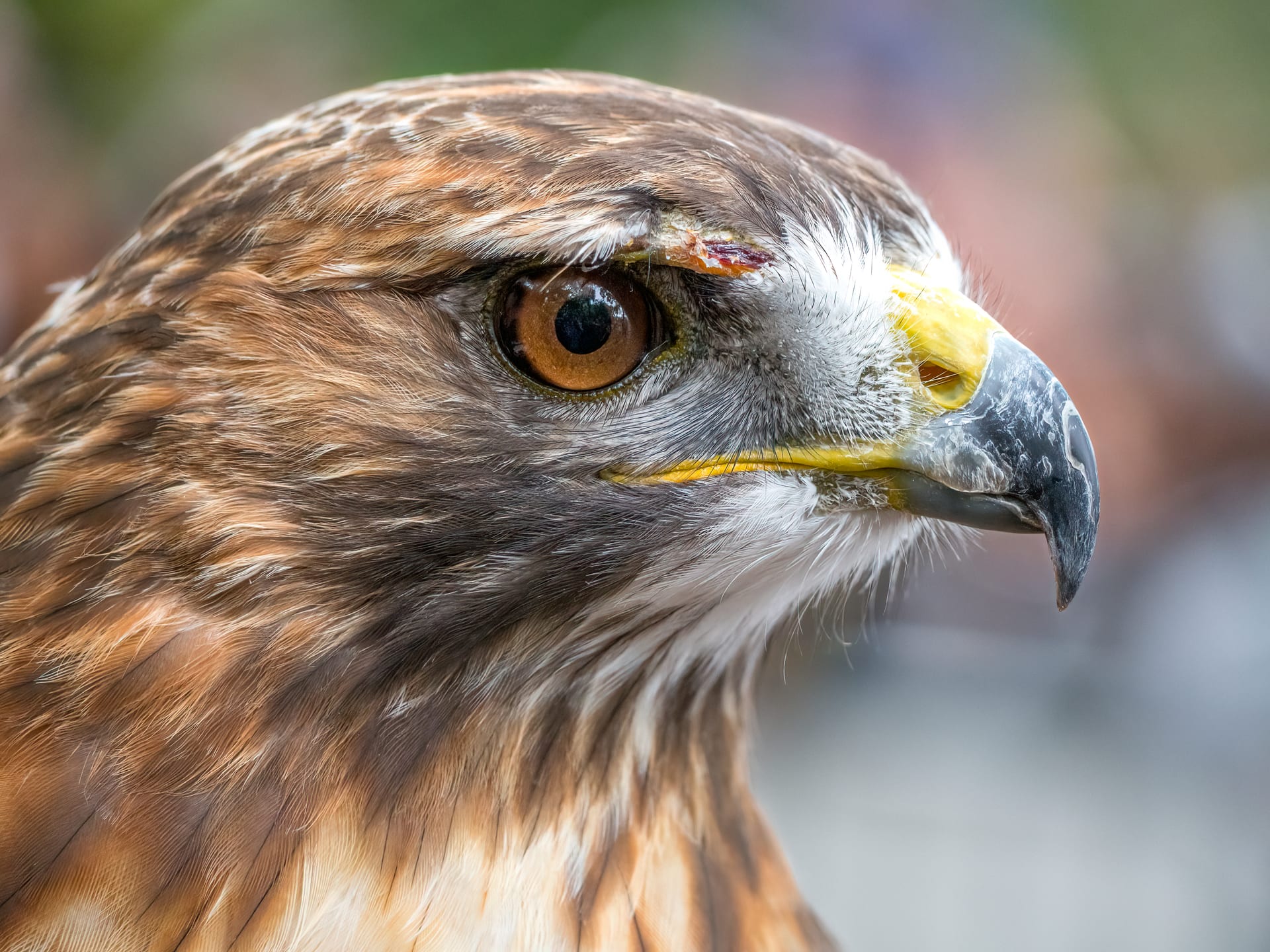
A large falcon of Africa, southeastern Europe and Arabia, slate to brown-grey or paler blue-grey above with a streaked breast and slimmer than the saker. Captive-bred birds are flown in falconry.
Difficulty
Advanced
Temperature
15〜30℃
Lifespan
20-25 years
Size
43-50cm (wingspan 95-105cm)
Humidity
40〜60%
Diet
Frozen raptor food such as quail and day-old chicks; in the wild mainly birds
About
The lanner falcon (Falco biarmicus) ranges across Africa into southeastern Europe and Arabia. It is 43-50 cm long with a wingspan of 95-105 cm, slightly smaller and slimmer than the saker. Five subspecies are recognised: nominate biarmicus from the Democratic Republic of the Congo to South Africa, feldeggii from Italy to Turkey, Azerbaijan and northwestern Iran, tanypterus from northeastern Africa to Arabia and Israel, erlangeri in northwestern Africa, and abyssinicus from southern Mauritania to Ethiopia, Somalia, Cameroon and northern Kenya. Eurasian birds are slate or brown-grey above while most African races are a paler blue grey, and the breast is streaked, more heavily in northern birds. Some populations move with seasonal rains and altitude, using higher ground when breeding. The species is bred in captivity for falconry, and hybrids with the peregrine, known as perilanners, are often seen. Wild numbers are declining strongly and steadily in Europe and throughout North Africa, though the bird remains relatively common in parts of Africa.
Source: Wikipedia (CC BY-SA 4.0)
Lifespan of the Lanner Falcon
The Lanner Falcon lives 20-25 years.
Size of the Lanner Falcon
The Lanner Falcon grows to 43-50cm (wingspan 95-105cm).
Basic Info
Origin
Much of Africa plus southeastern Europe and Arabia, in five subspecies
Lifespan
20-25 years
Size
43-50cm (wingspan 95-105cm)
Care Specifications
AggressiveSolitary
Sources: Wikipedia - Lanner falcon
References & Sources
Edited & verified by: BreederDirect editorial team
The taxonomic, regulatory, and husbandry data on this page are compiled and verified against the authoritative primary sources below.
Taxonomy & Authority
Accepted name: Falco biarmicus Temminck, 1825
Authority databases: GBIF
Nomenclature follows global taxonomic authority databases.
Regulations & Conservation Status
CITES Appendix IIIUCN LC · Least Concern
Falco biarmicus. Covered by the order-level listing of Falconiformes in CITES Appendix II, so international trade requires an export permit. It is not among Japan's designated dangerous animals.
Sources: CITES Appendices (Appendix II) / IUCN Red List / Cabinet Order under the Act on Welfare and Management of Animals, appended table (designated dangerous animals)
Regulations may change. Always verify the latest information with the relevant authorities.
Lanner Falcon Listings
Loading latest listingsFind listings for this species