Source: Wikimedia Commons
Harris's Hawk
AdvancedParabuteo unicinctus
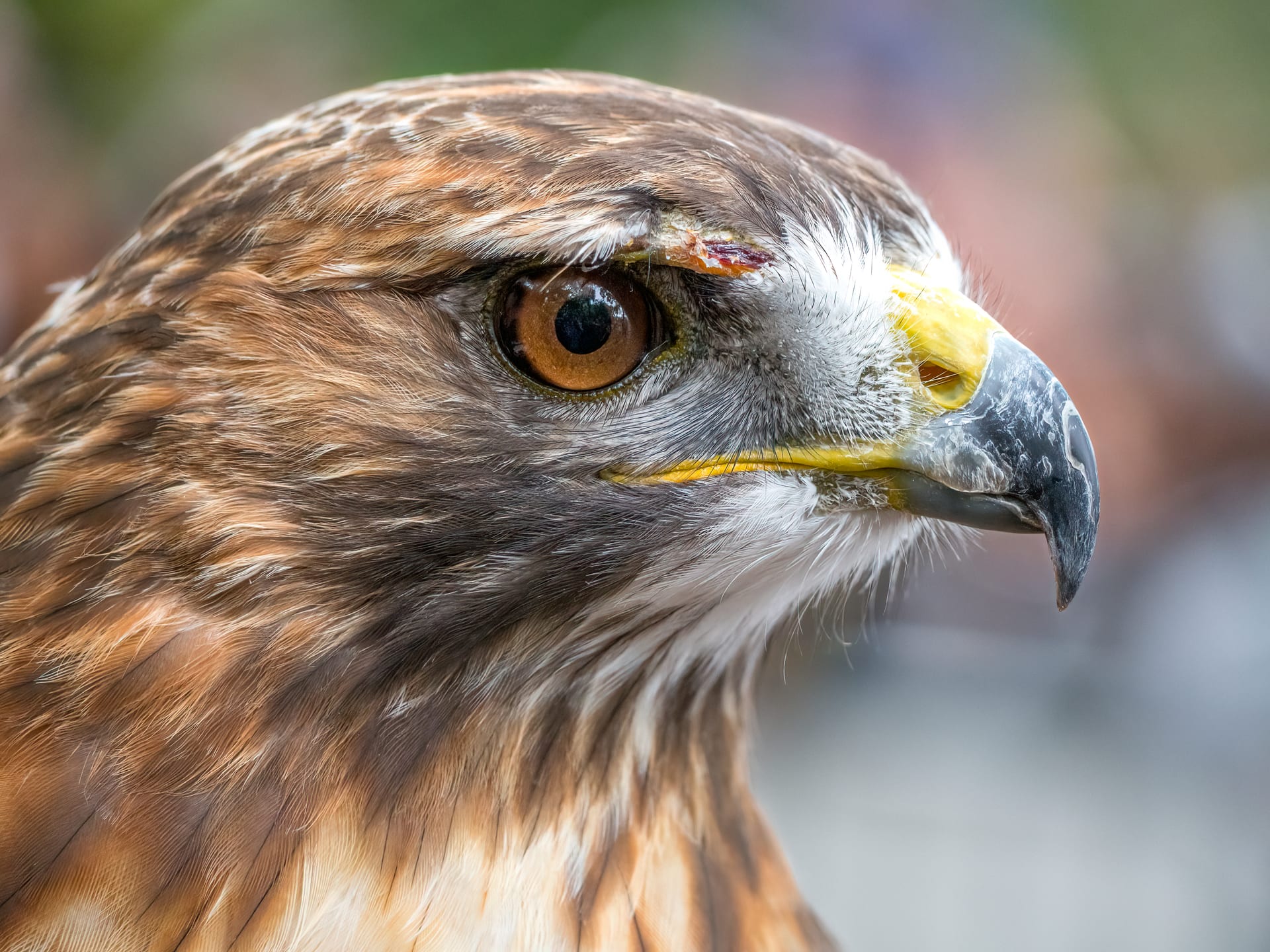
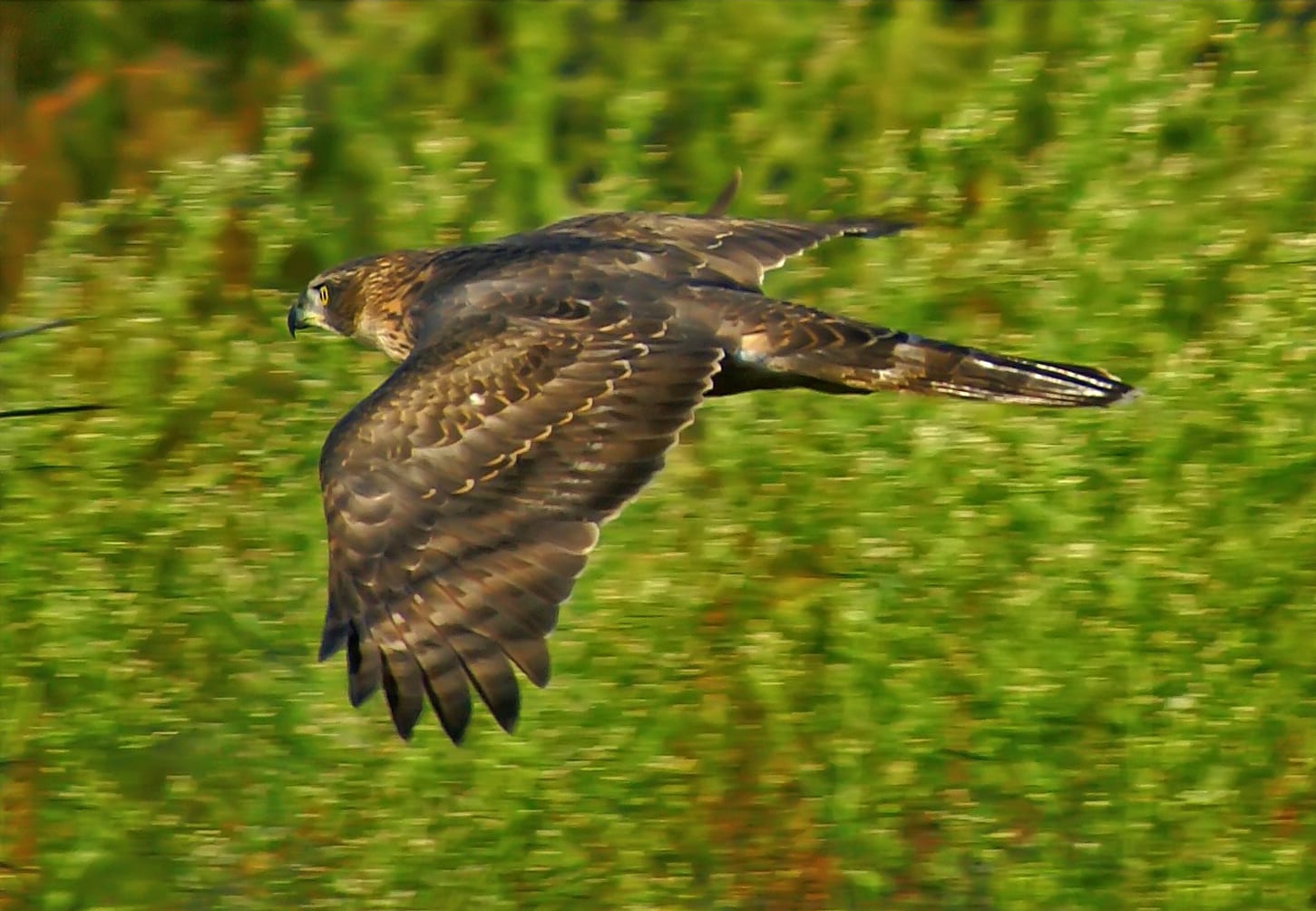
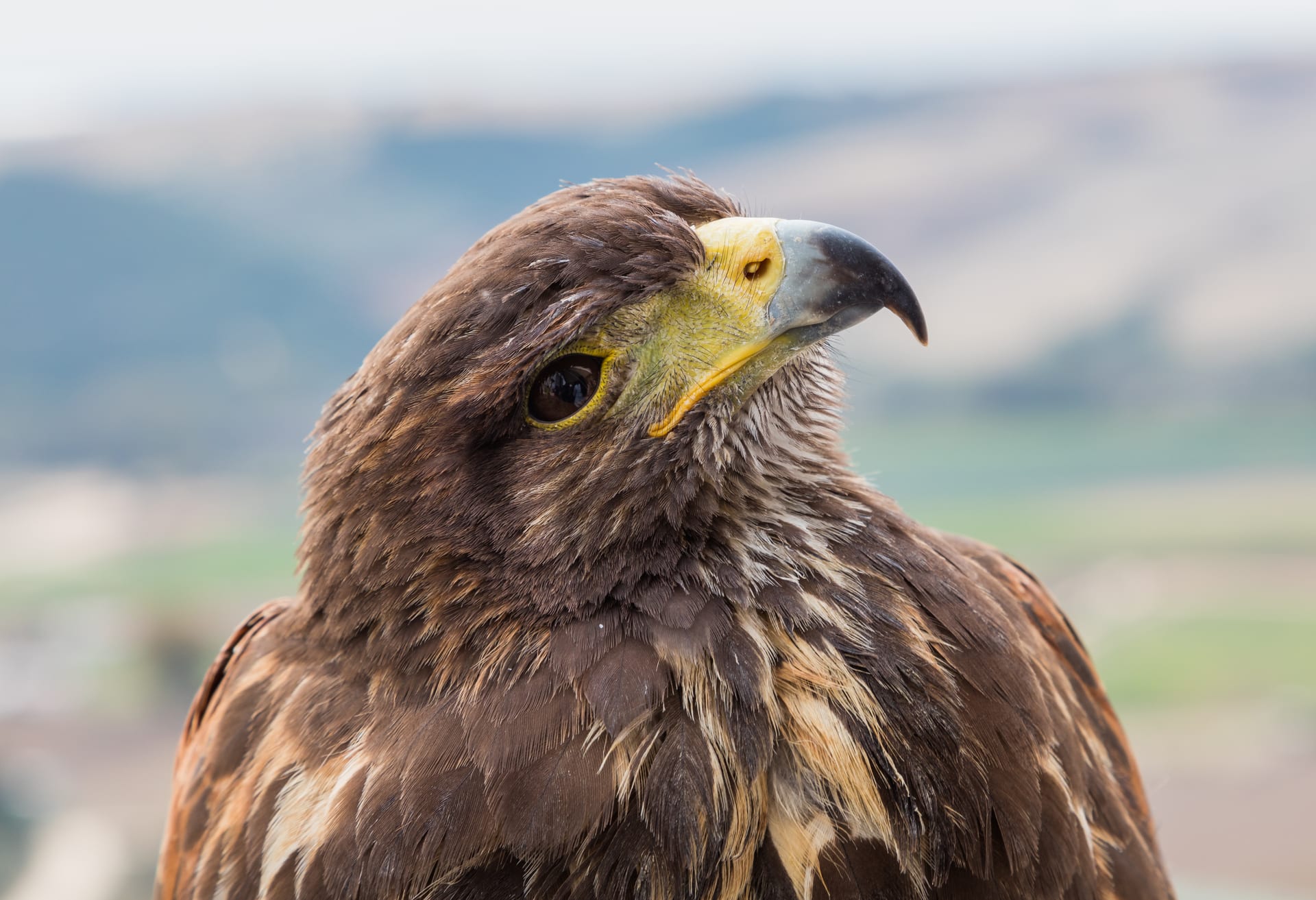
A medium-large raptor, dark brown with reddish shoulders and thighs. Unusually among birds of prey it hunts cooperatively in groups, and its trainability has made it the most widely used hawk in falconry. The tail is white at base and tip, and the legs and cere are yellow.
Difficulty
Advanced
Temperature
15〜30℃
Lifespan
19-25 years
Size
46-59cm (wingspan 103-120cm; males average about 710g, females over 1,020g)
Humidity
40〜60%
Diet
Frozen raptor food such as quail, day-old chicks and mice; in the wild small mammals, birds and reptiles
About
Harris's hawk (Parabuteo unicinctus) is a medium-large raptor breeding from the southwestern United States to southern Chile, central Argentina and Brazil. It falls between a peregrine falcon and a red-tailed hawk in size, 46-59 cm long with a wingspan of 103-120 cm; males average about 710 g and females exceed 1,020 g, a dimorphism of roughly 40 per cent. The plumage is dark brown with reddish shoulders, underwings and thighs, and the tail is white at base and tip, with yellow legs and cere. Two subspecies are recognised, harrisi and unicinctus. Where other raptors hunt alone, this species forms tolerant groups that hunt cooperatively, using leapfrog flights in which rear birds move ahead of the leaders, and surrounding prey to attack in turn; in groups of two to four, each extra bird raises capture success by about ten per cent. It is multi-brooded, breeding two or three times a year, often with one female and two males at a nest, and the female mainly incubates 2-4 eggs for 31-36 days. Its sociability and intelligence make it easy to train, and since about 1980 it has been the most popular falconry hawk outside Asia.
Source: Wikipedia (CC BY-SA 4.0)
Lifespan of the Harris's Hawk
The Harris's Hawk lives 19-25 years.
Size of the Harris's Hawk
The Harris's Hawk grows to 46-59cm (wingspan 103-120cm; males average about 710g, females over 1,020g).
Basic Info
Origin
From the southwestern United States south to southern Chile, central Argentina and Brazil
Lifespan
19-25 years
Care Specifications
Semi-aggressiveGroup
Sources: Wikipedia - Harris's hawk / Wikipedia - Harris's hawk, Japanese edition (morphology, breeding)
References & Sources
Edited & verified by: BreederDirect editorial team
The taxonomic, regulatory, and husbandry data on this page are compiled and verified against the authoritative primary sources below.
Taxonomy & Authority
Accepted name: Parabuteo unicinctus (Temminck, 1824)
Synonyms: Buteo unicinctus, Erythrocnema unicincta
Authority databases: GBIF
Nomenclature follows global taxonomic authority databases.
Regulations & Conservation Status
CITES Appendix IIIUCN LC · Least Concern
Parabuteo unicinctus. The order Accipitriformes is listed in CITES Appendix II except for species placed in Appendix I or III, so this species is Appendix II and international trade requires an export permit. It is not among Japan's designated dangerous animals.
Sources: CITES Appendices (Appendix II) / IUCN Red List / Cabinet Order under the Act on Welfare and Management of Animals, appended table (designated dangerous animals)
Regulations may change. Always verify the latest information with the relevant authorities.
Harris's Hawk Listings
Loading latest listingsFind listings for this species